



Look up. Sometime soon, the largest and most powerful rocket ever built will streak across the sky, and people in India will have a front-row seat. SpaceX's Starship is set for an ambitious test flight that will see it pass over the country.
What is Starship?
Starship is
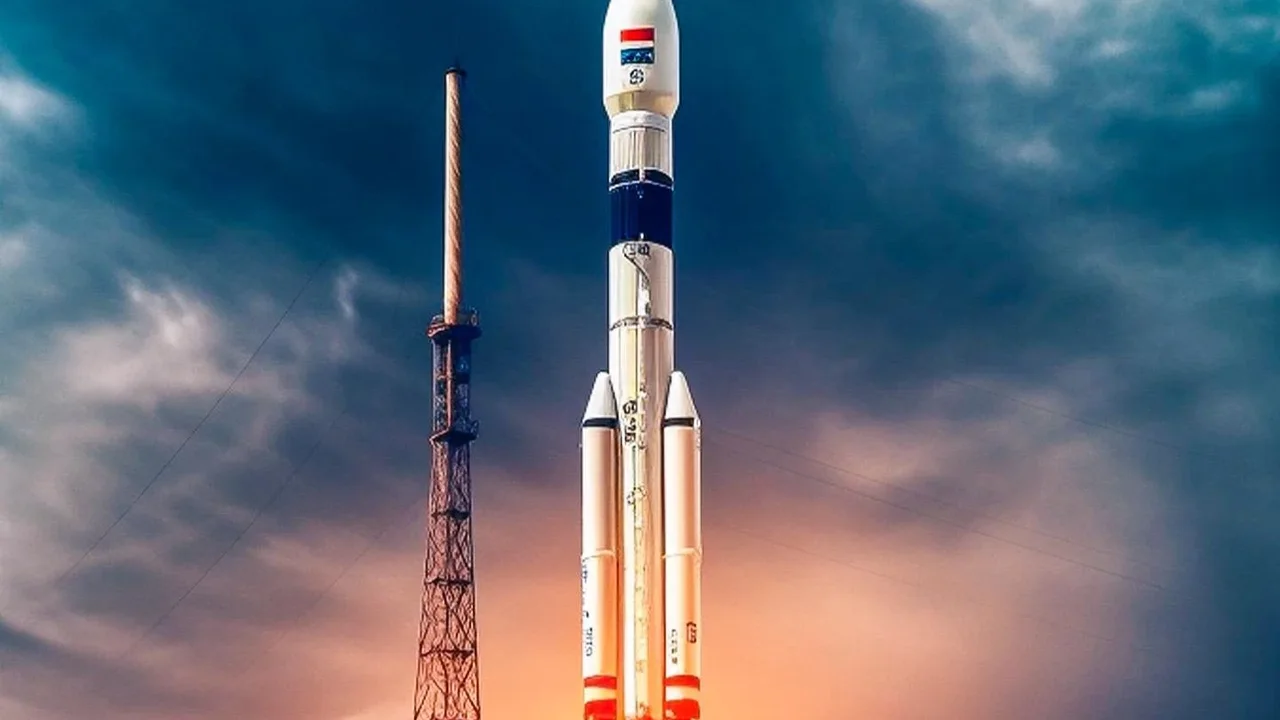
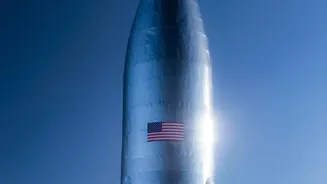
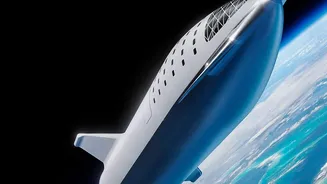
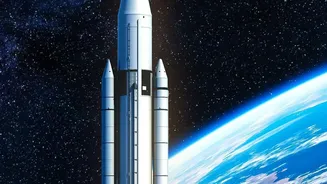
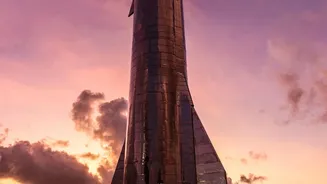
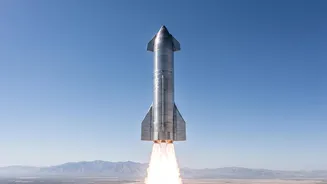
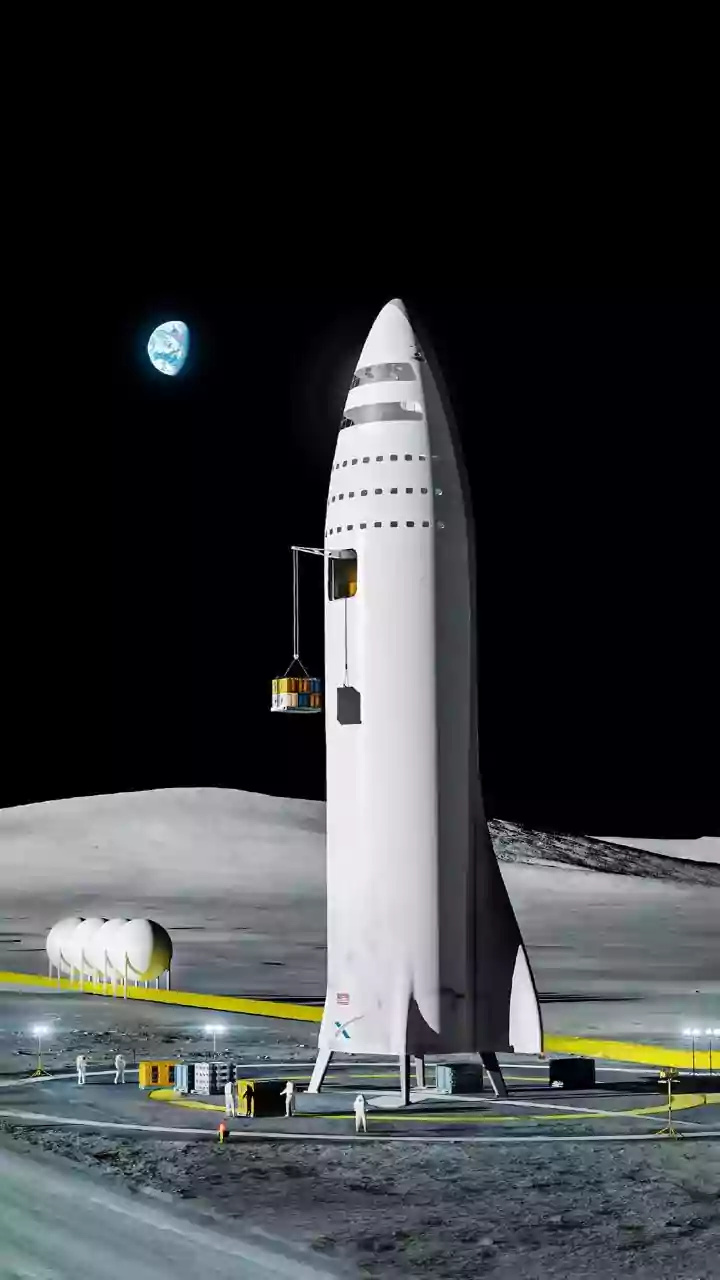
SpaceX's next-generation, fully reusable transportation system designed to carry both crew and cargo to Earth orbit, the Moon, Mars, and beyond. Standing taller than any previous rocket, it's comprised of two parts: the Super Heavy booster and the Starship spacecraft (often just called 'Ship'). The entire system is engineered to be rapidly reusable, a core tenet of founder Elon Musk's vision to dramatically lower the cost of space travel and make humanity a multi-planetary species. Its development has followed a rapid, iterative process of 'fail fast, learn fast', with numerous test flights pushing the vehicle's limits. Previous flights have ended with varying degrees of success, from explosions to successful splashdowns in the Indian Ocean.
The Next Ambitious Mission: Flight 15
The upcoming mission, dubbed Starship Flight 15, is slated to be its most ambitious yet. Targeted for launch on November 14 (IST) from Starbase in Texas, the mission plan is a significant leap forward. For the first time, SpaceX will attempt to recover both the Super Heavy booster and the Starship spacecraft using the launch tower's giant mechanical 'chopstick' arms. The booster is expected to return to the launch site just minutes after liftoff. The Ship, however, will continue on a much longer journey. After deploying a batch of 26 Starlink V3 internet satellites, it's scheduled to circle the Earth approximately 14 times over nearly a full day.
A Spectacle Over India
This extended orbital phase is what brings the spectacle to India. The rocket's trajectory will take it over parts of the country multiple times during its 22-hour mission. This provides a rare opportunity for sky-watchers in India to potentially spot the massive vehicle as it traverses the sky. While the exact visibility will depend on the time of day, local weather conditions, and the specific pass, the prospect has generated considerable excitement. The long duration of the flight increases the chances that at least one of the passes will occur in darkness, making the spacecraft easier to spot as a moving point of light against the night sky.
Is It Safe to Fly Over Populated Areas?
The idea of a spacecraft, especially one in a test phase, flying over a country naturally raises questions about safety. International space law, governed by the Outer Space Treaty of 1967, establishes that outer space is free for exploration and use by all states, with no claims of national sovereignty above a conventionally accepted boundary like the Kármán line at 100 km altitude. For any launch, regulatory bodies like the U.S. Federal Aviation Administration (FAA) conduct extensive safety analyses. Mission planners design trajectories to maximize public safety. In the case of Starship, the flight plan includes multiple contingency options. Should an issue arise, the spacecraft can be directed to splash down in predetermined, clear areas of the ocean, such as the Indian Ocean or the Pacific. These safety protocols are standard practice in the aerospace industry to mitigate risks to people and property on the ground.
Why This Flight Matters
Beyond the visual spectacle, this flight is a critical step in a new era of spaceflight. A successful 'dual catch' of both the booster and the ship would be a historic first, proving the core concept of a fully and rapidly reusable orbital rocket system. This capability is the key to unlocking more frequent and affordable access to space, which is essential for building a lunar base for NASA's Artemis program and, eventually, for sending humans to Mars. For India, the overflight is a visible reminder of the rapid pace of commercial space development and its increasing proximity to everyday life. While previous Starship tests have ended their journey in the Indian Ocean, this will be the first time the vehicle orbits above the country for an extended period, connecting the public directly to a major event in space exploration history.