





The Silent Threat After Sunset
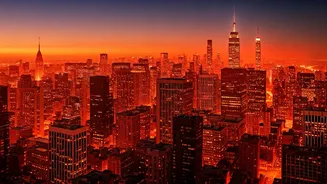
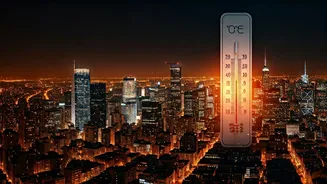
We often focus on scorching daytime temperatures during a heatwave, but scientists are increasingly pointing to a more insidious threat: extreme heat that persists after sunset. Recent studies show that in many cities, minimum nighttime temperatures are rising
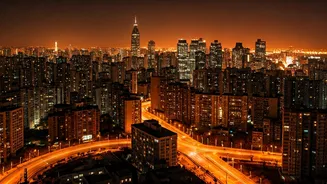
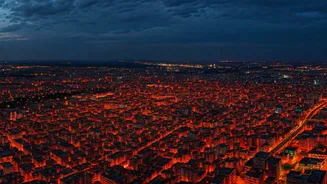
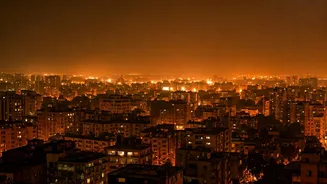
much faster than daytime highs. One study of 141 Indian cities revealed that urban areas are warming twice as fast as the rest of the country at night. This phenomenon, known as the urban heat island effect, turns our cities into vast heat traps, where concrete and asphalt absorb solar radiation all day and release it slowly through the night. The result is that the crucial period of nocturnal recovery, when our bodies are meant to cool down and recuperate from daytime heat stress, is disappearing.
Why Your Body Needs the Night to Cool Down
Constant heat exposure is like a marathon for the human body. Without the relief of cooler nighttime temperatures, the body's core temperature can remain elevated, putting immense strain on the cardiovascular system. This prevents recovery from the heat stress accumulated during the day, sharply increasing the risk of heat exhaustion, heatstroke, and other heat-related illnesses. Vulnerable populations, including the elderly, young children, and those with chronic health conditions, are particularly at risk. Furthermore, poor sleep quality due to heat can impact mental health, concentration, and overall productivity, creating a cycle of negative health outcomes.
Indian Metros on High Alert
India's rapidly urbanizing landscape makes its cities particularly susceptible. Metropolises like Delhi, Mumbai, Chennai, and Hyderabad are experiencing a sharp increase in dangerously warm nights. In many Indian cities, the urbanized area has expanded by over 50% in the last two decades, replacing natural cooling elements like vegetation and water bodies with heat-retaining infrastructure. Some studies project that nighttime heat stress in mega-urban regions in India could intensify by 1 to 2 degrees Celsius due to expansion alone, even before accounting for broader climate change. This not only poses a public health crisis but also strains infrastructure, leading to higher energy demand for cooling and increased water stress.
From Cool Roofs to Green Corridors
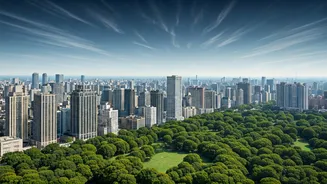
The challenge is significant, but so are the solutions being explored across India. Cities are pioneering strategies to combat urban heat. Ahmedabad's acclaimed Heat Action Plan includes promoting 'cool roofs'—painting surfaces with reflective white paint to lower indoor temperatures by several degrees. This simple, low-cost method is now being adopted in other cities, including Hyderabad and Delhi. Beyond individual buildings, urban planners are looking at 'blue-green infrastructure'. This involves expanding green spaces like parks and restoring water bodies such as lakes and ponds, which act as natural coolants. Integrating these green and blue corridors into city plans, as being explored in Chennai and Mumbai, can create pathways for cooler air, significantly lowering the ambient temperature.