





The Magic of Filtered Light
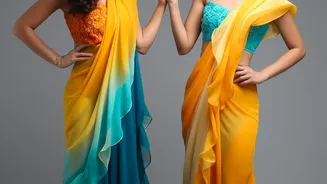
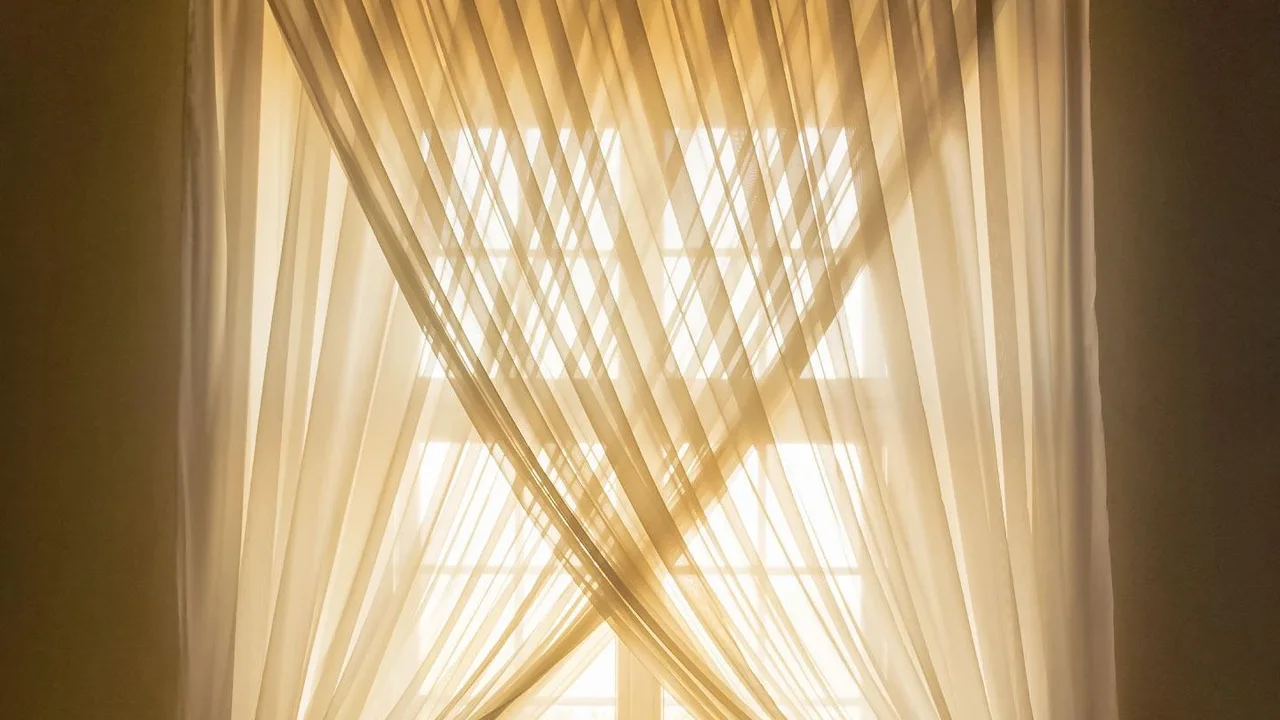
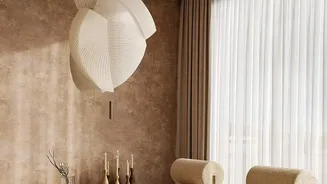
The core beauty of using saree drapes lies in their unique ability to interact with sunlight. Unlike heavy, opaque curtains that block light entirely, or generic sheers that offer little character, sarees transform it. Lightweight fabrics like chiffon,
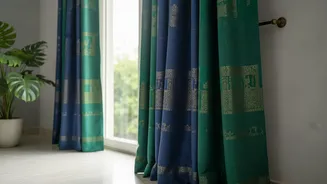
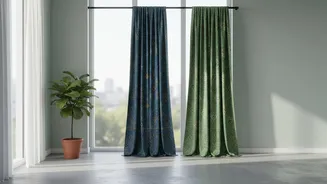
georgette, and Kota Doria become luminous screens, diffusing harsh sun into a gentle, colourful radiance. A vibrant silk saree can cast a warm, rosy hue across a room, while a pale cotton can create a serene, airy atmosphere. The sun shining through these fabrics highlights the intricate weaves, delicate embroidery, or hand-printed motifs, essentially turning your window into a living piece of art that changes throughout the day.
Why Sarees are Perfect for Upcycling
Beyond their beauty, sarees are a deeply sustainable and personal choice for home decor. Many households have sarees that are no longer worn but are too precious to discard due to sentimental value or exquisite craftsmanship. Upcycling them into curtains is a wonderful way to honour these memories, allowing a piece of family heritage to be admired daily. Sarees offer a generous amount of high-quality fabric, often in silk or breathable cotton, making them a practical and eco-friendly alternative to mass-produced textiles. This practice not only reduces waste but also adds a layer of personal history and character to your home that is impossible to buy off the shelf.
Choosing the Right Saree Fabric
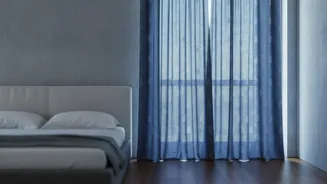
The effect of your drapes depends entirely on the saree’s fabric. Here’s a quick guide: Cotton & Cotton Silk: Ideal for creating a soft, diffused light. Cotton sarees, especially light handloom or mulmul varieties, are breathable and perfect for hot climates, offering a crisp yet airy feel. Cotton-silk blends provide the breathability of cotton with a subtle sheen from the silk, holding their shape well. Chiffon & Georgette: These lightweight, sheer fabrics are perfect for a flowy, romantic look. They don't block much light but soften it beautifully, making them great for rooms where you want to maximize brightness while reducing glare. Silk: A silk saree, whether a rich Banarasi or a lighter variant, adds a touch of luxury. The fabric has a natural lustre that catches the light, creating a regal and elegant effect. However, pure, heavy silks may be best reserved for areas without prolonged, direct sunlight, as the fabric can fade over time. Kota Doria: Known for its distinctive square-check weave, this fabric is extremely lightweight and breathable, making it perfect for filtering light while allowing for excellent air circulation.
From Saree to Custom Drape
Transforming a saree into a curtain can be a simple DIY project or a task for a local tailor. For a no-sew option, you can simply fold the top edge over a curtain rod or use clip-on curtain rings. This is a great way to test the look without permanently altering the fabric. For a more polished finish, a tailor can add a rod pocket, loops, or eyelets to the top. They can also add a cotton lining. Adding a lining not only protects the delicate saree fabric from direct sun exposure but also gives the drape more body and improves privacy. You can use the saree’s decorative pallu or border as a special feature, either at the top or bottom edge of the curtain panel for a designer touch.
Styling Saree Drapes in Modern Apartments
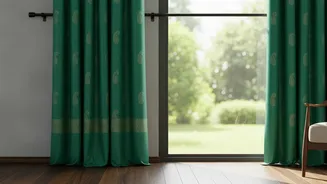
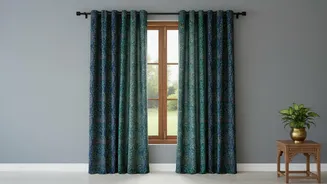
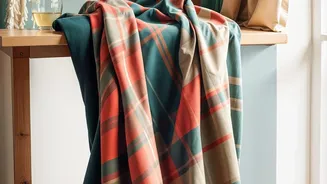
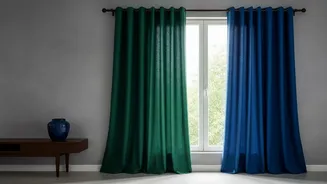
Integrating these vibrant, traditional textiles into a modern bedroom doesn't have to be complicated. In fact, their richness often works best in minimalist or contemporary settings. To make saree curtains the focal point, keep the surrounding walls in neutral shades like white, beige, or grey. This allows the colours and patterns of the fabric to stand out without overwhelming the space. Pair them with simple, clean-lined furniture. You can also create a cohesive look by picking up a colour from the saree and using it for smaller accents in the room, such as cushion covers or a throw blanket, which can even be made from leftover fabric from the saree itself.