


Why Monsoon is a Risky Season for Leftovers
The rainy season’s combination of warmth and dampness is not just good for plants; it’s also ideal for microbial growth. High humidity in the air allows bacteria like E. coli and Salmonella to multiply much faster on food surfaces, even on leftovers stored
in the kitchen. Cooked food left at room temperature for more than two hours enters the 'danger zone'—a temperature range where bacteria flourish. During the particularly warm and humid monsoon months, this window can shrink to just one hour. Bacteria can grow long before any unpleasant smell or taste develops, making the senses an unreliable guide for food safety.
The Golden Rule: Heat It Through
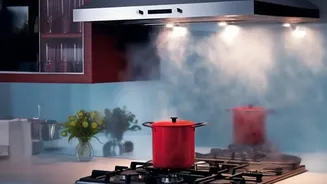
Simply warming up your food is not enough to make it safe. The most crucial step in reheating is ensuring the food reaches a high enough internal temperature to kill any bacteria that may have developed during storage. Food safety experts recommend heating all leftovers to an internal temperature of at least 74°C (165°F). The only reliable way to check this is with a food thermometer. For liquids like soups, dals, and gravies, a good rule of thumb is to bring them to a full, rolling boil for at least a minute. This ensures the entire dish is heated thoroughly, eliminating cold spots where bacteria can survive.
The Special Case of Rice
Rice is a staple in Indian households, but it is one of the riskiest foods to reheat if handled incorrectly. Raw rice can contain spores of a bacterium called Bacillus cereus, which are hardy enough to survive the initial cooking process. When cooked rice is left at room temperature in humid monsoon weather, these spores can germinate and produce heat-stable toxins. The critical point to understand is that while reheating the rice to 74°C will kill the bacteria, it will not destroy these toxins. Consuming these toxins can cause food poisoning with symptoms like vomiting and diarrhoea. To prevent this, always cool leftover rice quickly—by spreading it on a plate, for example—and refrigerate it within an hour.
Safe Storage Is the First Step
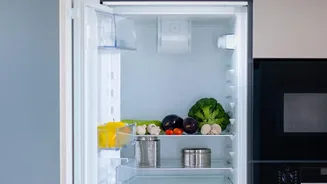
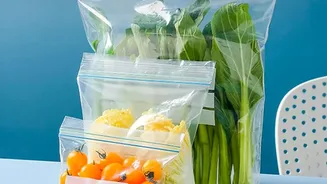
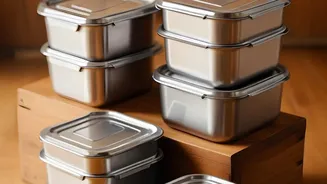
Effective reheating begins with proper storage. Never leave cooked food to cool on the kitchen counter for hours, especially during the monsoon. Perishable foods should be refrigerated as quickly as possible, ideally within an hour or two of cooking. To speed up the cooling process, divide large batches of food like curries or dals into smaller, shallow containers. Using airtight containers is also essential, as they prevent moisture and airborne bacteria from contaminating the food and stop your fridge from developing odours. Make sure your refrigerator is set to 4°C (40°F) or below to effectively slow down bacterial growth.
Reheat Once, and Only Once
While it might be tempting to reheat a large container of food multiple times, this practice is highly discouraged. Each time you cool and reheat food, it passes through the temperature danger zone, giving bacteria more opportunities to multiply. This repeated cycle not only increases the risk of foodborne illness but also degrades the texture and nutritional value of the food. The safest approach is to only reheat the portion you plan to eat immediately. If you have a large batch of leftovers, portion it out before storing so you can heat just what you need each time, keeping the rest safely chilled.
Microwave vs. Stovetop Reheating
Both microwaves and stovetops can be used to reheat food safely, but the method matters. The stovetop or oven generally provides more even and consistent heat. Microwaves are faster but are notorious for creating hot and cold spots, which can leave pockets of bacteria alive. If you are using a microwave, it's vital to cover the food to retain moisture and ensure it steams through. Pause halfway through to stir the food thoroughly or rotate the dish. Let it stand for a minute after heating to allow the temperature to distribute evenly. Regardless of the method, always verify that the food is steaming hot all the way through before serving.