




What is an Urban Heat Island?
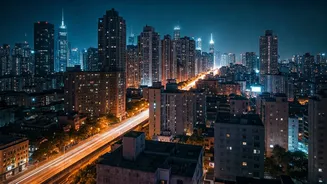
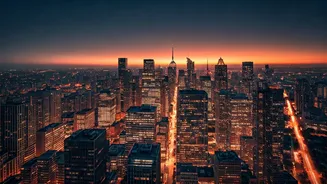
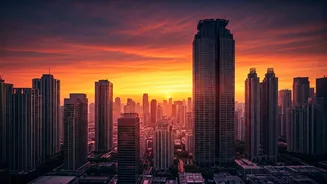
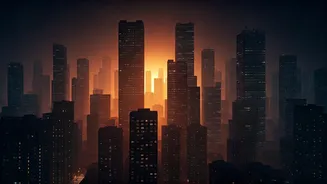
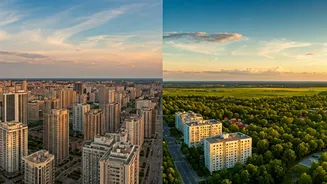
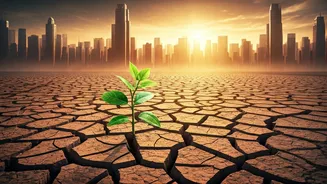
At its core, the Urban Heat Island (UHI) effect is the difference in temperature between a city and its surrounding rural areas. Our cities, with their dense concentration of buildings, roads, and other infrastructure, absorb and re-emit the sun's heat
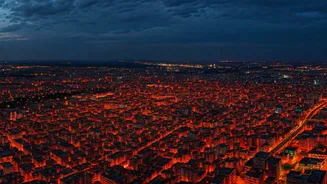
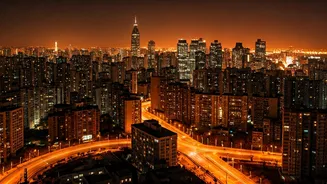
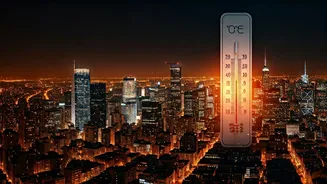
far more than natural landscapes do. This process transforms our urban centres into 'islands' of higher temperatures. While this effect is present during the day, it becomes especially pronounced at night, when cities can be significantly warmer than the countryside, sometimes by as much as 12°C.
The Concrete Jungle's Nighttime Fever
So, why don't cities cool off after sunset? The answer lies in the materials we use to build them. Concrete, asphalt, and brick are excellent at storing heat. Throughout the day, these surfaces soak up enormous amounts of solar radiation. Unlike a forest or field, which quickly releases heat after the sun goes down, these urban materials act like massive batteries, slowly radiating their stored warmth throughout the evening and night. This slow release is the primary reason why urban nights often fail to provide relief from the daytime heat.
Losing Our Natural Air Conditioners
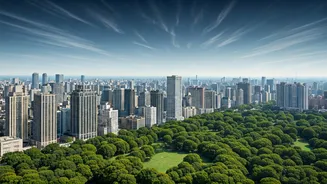
Urbanisation doesn't just add heat-retaining materials; it also removes natural cooling systems. Trees, parks, and water bodies play a crucial role in regulating temperature. Trees provide shade, which is a simple but effective way to keep surfaces cool. More importantly, vegetation and water cool the air through a process called evapotranspiration—essentially, nature's sweat. As cities expand, we replace these green and blue spaces with dark, impermeable surfaces that offer no such cooling benefits, intensifying the heat island effect.
The Challenge in Indian Cities
In India, rapid and often unplanned urbanisation has made the UHI effect a critical issue. Major metropolitan areas like Delhi, Mumbai, Bengaluru, and Chennai are experiencing significant temperature differences compared to their rural peripheries. The combination of dense construction, the loss of green cover, and heat generated by traffic and air conditioning units creates a potent mix. This is particularly acute in informal settlements, where materials like tin roofs and poor ventilation can make indoor temperatures dangerously high, even at night.
More Than Just Uncomfortable Nights
The inability to cool down at night is more than a matter of comfort; it's a significant health risk. Our bodies need the cooler overnight period to recover from daytime heat stress. When nights remain hot, the risk of heat-related illnesses like heat exhaustion and heatstroke rises sharply, especially for the elderly, children, and outdoor workers. Furthermore, the UHI effect leads to increased energy consumption as more people rely on air conditioning, which in turn releases more waste heat into the city air and contributes to air pollution.
Can We Reclaim Our Cool Nights?
The good news is that we have strategies to combat the urban heat island effect. These solutions focus on reintroducing natural elements and using smarter materials. Increasing green infrastructure, such as parks, green roofs, and planting more street trees, provides shade and cooling through evapotranspiration. Another approach involves using 'cool' materials, such as reflective pavements and light-coloured roofing, which absorb less sunlight. Water features like fountains and ponds can also have a significant local cooling effect. Through thoughtful urban planning and design, it is possible to make our cities more livable and resilient to rising temperatures.