





What Exactly Is Rice Bran?
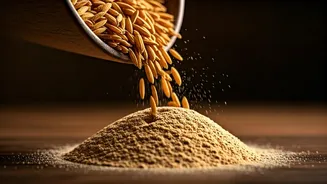
Rice bran is the nutrient-rich outer layer of a rice kernel that is removed during the milling process that turns brown rice into white rice. For a long time, this byproduct was discarded or simply used for animal feed. However, it is now understood to be
the most nutritious part of the grain, containing a wealth of vitamins, minerals, and antioxidants. Before it can be eaten, it must go through a stabilization process. This involves heating it to deactivate an enzyme called lipase, which would otherwise cause the fats in the bran to go rancid very quickly. This crucial step ensures the bran stays fresh and retains its nutritional value, making it ready for your kitchen.
A Quiet Nutritional Powerhouse
Don’t let its simple appearance fool you; rice bran is dense with nutrients. It is an excellent source of dietary fiber, which is essential for digestive health. It also contains a significant amount of B vitamins like thiamine and niacin, which help your body convert food into energy and support brain function. The mineral content is also impressive, with notable amounts of magnesium, iron, and potassium. But what makes rice bran truly stand out are its unique compounds. It is rich in antioxidants, including a substance called gamma-oryzanol, which is found almost exclusively in rice bran oil. This combination of fiber, vitamins, and powerful antioxidants makes it a formidable addition to any diet.
Benefits for Your Heart and Gut
The high fiber content in rice bran is a major boon for digestive wellness, helping to promote regularity and prevent constipation. This fiber also helps you feel fuller for longer, which can aid in weight management. Beyond digestion, rice bran has gained attention for its heart-healthy properties. Studies have shown that consuming rice bran can help lower 'bad' LDL cholesterol levels. This effect is largely attributed to its fiber and the unique compound gamma-oryzanol, which may work by reducing the absorption of cholesterol from food. Regularly incorporating it into a balanced diet can contribute to better cardiovascular function and overall wellness.
How to Use It Without Overthinking
The beauty of rice bran lies in its simplicity. There are no complicated recipes or prep work required. The easiest way to start is by stirring a spoonful or two into your daily meals. Its mild, slightly nutty flavour blends seamlessly into morning oatmeal, yogurt, or smoothies. You can also mix it into soups, stews, or meat sauces. For those who enjoy baking, rice bran can be used to substitute a portion of the flour in recipes for muffins, bread, or pancakes, adding a subtle nutritional boost and a tender texture. The key is to start small and find what works for you. Just a tablespoon a day is an easy step towards enhancing the nutritional profile of your food.
Choosing and Storing Your Bran
When purchasing rice bran, look for a product that is clearly marked as 'stabilized'. This ensures it has been treated to prevent rancidity and will have a longer shelf life. Unstabilized, or raw, rice bran can spoil quickly. Once you open the package, the best practice is to store it in an airtight container in the refrigerator. This helps protect its delicate fats from oxidation and preserves its freshness and nutritional potency for longer. While it is less common than wheat or oat bran, it can often be found in health food stores, Asian markets, or online.