


Chitkul, Himachal Pradesh
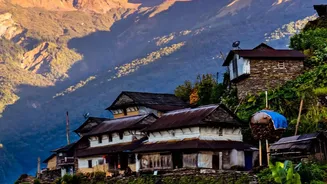
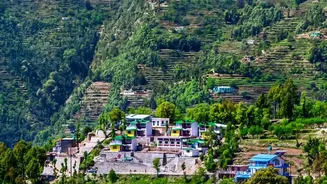
Often called the last inhabited village on the Indo-Tibetan trade route, Chitkul is a world away from the commercial hustle of Shimla. Located in the breathtaking Baspa Valley, this hamlet is defined by its wooden-roofed houses, fields of potatoes and
apples, and the rushing turquoise river. The experience here isn't about a checklist of sights but about simply being. You can walk through the small village, visit the ancient Mathi Devi temple, or sit by the riverbank listening to the sounds of nature. It’s a place for slowing down, acclimatising to the high altitude, and soaking in the dramatic mountain scenery under clear skies.
Munsiyari, Uttarakhand
Known as the 'Little Kashmir' of Uttarakhand, Munsiyari is a serene town that serves as a base camp for some of the most challenging treks in the Himalayas, including the Milam and Ralam Glaciers. But you don't need to be a mountaineer to enjoy its charm. The town offers staggering, unobstructed views of the five snow-capped Panchachuli peaks. Instead of crowded markets, you'll find quiet spots like the Nanda Devi Temple and Thamri Kund, a small, pristine lake. A visit to the Tribal Heritage Museum provides insight into the history of the Johari people, who were once traders on the route to Tibet.
Ziro, Arunachal Pradesh
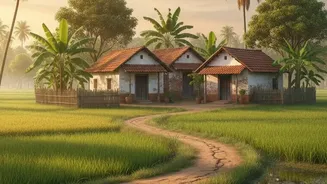
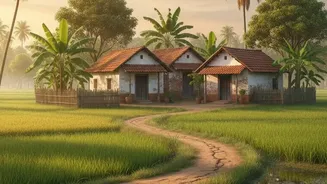
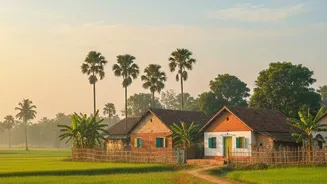
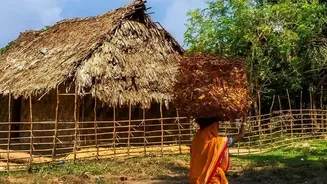
A proposed UNESCO World Heritage site, Ziro Valley is home to the Apatani tribe, a community known for its unique and sustainable way of life. The landscape here is a stunning mosaic of lush paddy fields interlaced with fish farms, all maintained without the use of machines. Life in Ziro is deeply connected to nature and community. Visitors can explore traditional villages like Hong and Hari, stay in homestays to experience Apatani hospitality, and learn about their rich cultural practices. It's a destination that offers a profound sense of peace and a look into a culture that has harmoniously co-existed with its environment for centuries.
Nongriat, Meghalaya
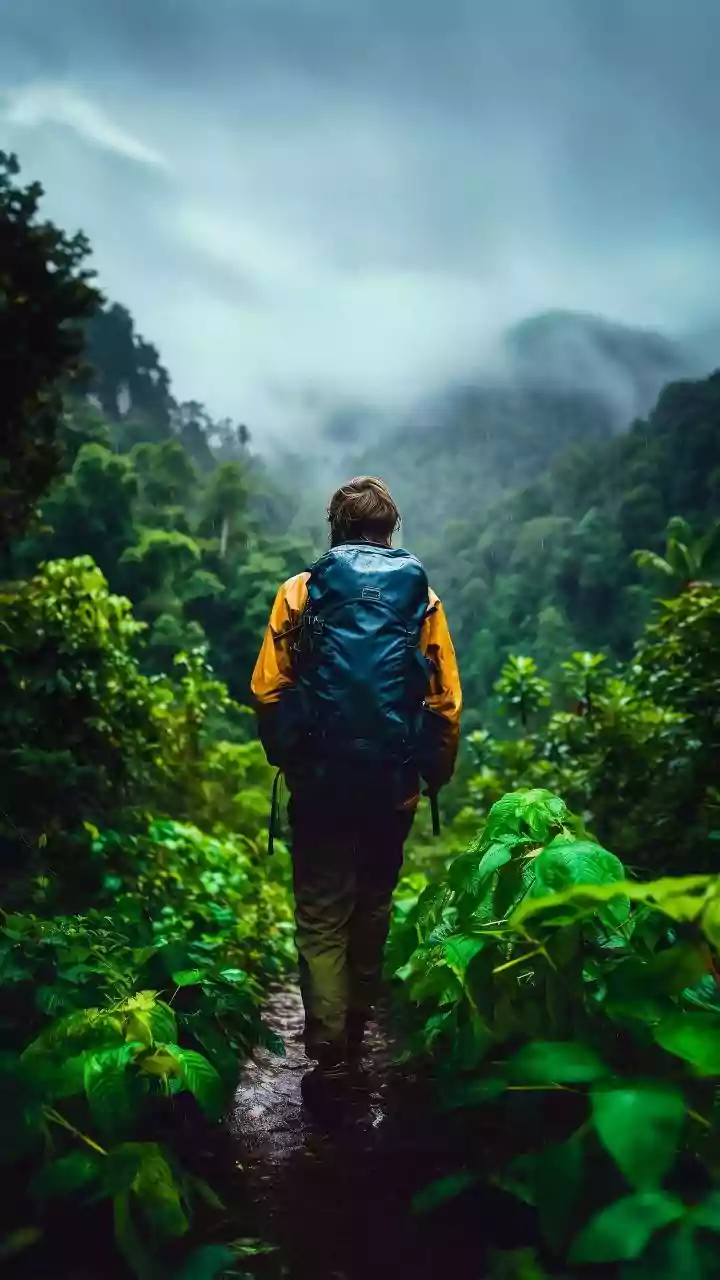
For the adventurous soul, Nongriat village is an unforgettable destination, but it demands effort. Accessible only by a steep trek involving thousands of steps, it is hidden deep within the East Khasi Hills. The reward is witnessing the incredible double-decker living root bridge, a marvel of bio-engineering created by guiding the roots of rubber fig trees across a stream over generations. This is not a quick photo stop; it's an immersion into the jungle. The village itself is tiny, offering basic homestays where you can disconnect completely and appreciate a tradition of living in harmony with nature.
Valparai, Tamil Nadu
If the commercialised hills of Ooty and Kodaikanal feel overwhelming, Valparai offers a refreshing alternative. This hill station in the Anamalai Hills is a sprawling landscape of tea and coffee plantations, surrounded by dense forests that are part of the Indira Gandhi Wildlife Sanctuary. The focus here is not on man-made attractions but on the quiet beauty of nature. You can drive through winding roads, visit tea estates to learn about the production process, and spot wildlife. It's a place for long walks, bird watching, and enjoying the cool, misty climate far from any crowds.
Narlai, Rajasthan
Nestled between the popular cities of Jodhpur and Udaipur, Narlai is a small village that offers a glimpse into rural Rajasthan, away from the grand palaces and forts. Centered around a massive granite hill, life here is slow and steeped in tradition. You can climb the hill at sunrise for panoramic views, wander through streets with over a hundred temples, and observe daily life unfolding as it has for centuries. The main accommodation is a restored 17th-century hunting lodge, which adds to the heritage feel. Narlai is perfect for those who want to experience the tranquil, rustic heart of the state.
Majuli, Assam
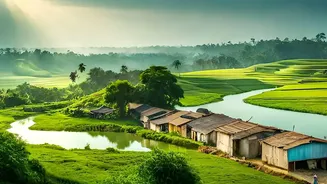
The world's largest river island, Majuli, rests in the middle of the Brahmaputra River and is the cultural capital of Assamese neo-Vaishnavite traditions. Getting here requires a ferry journey, which immediately sets a slower pace. The island is dotted with 'satras' or monasteries, where you can witness unique mask-making, traditional dance forms, and theatre. Exploring Majuli is best done on a bicycle, riding through paddy fields, wetlands teeming with birds, and villages of the Mishing and Deori tribes. It's a place where spirituality, art, and nature are woven into the fabric of daily life.
Mararikulam, Kerala
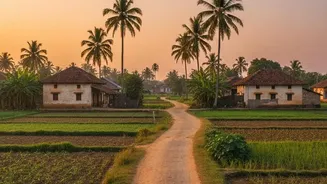
While Alleppey's backwaters and Varkala's cliffs draw large crowds, the nearby fishing village of Mararikulam offers a much quieter coastal experience. Marari Beach is a long, clean stretch of white sand, dotted with colourful fishing boats rather than rows of shacks and sunbeds. The pace of life is dictated by the sea. The village itself, set back from the shore, is a peaceful network of palm-lined lanes and traditional homes. It’s an ideal spot to unwind after a backwater tour, offering the beauty of the Kerala coast without the commercial buzz, perfect for swimming and watching spectacular sunsets over the Arabian Sea.