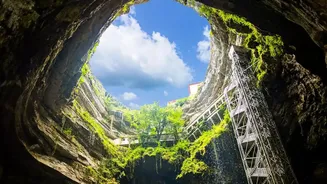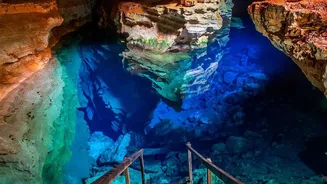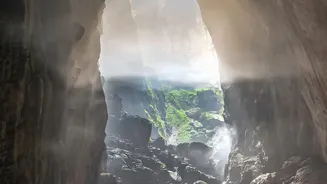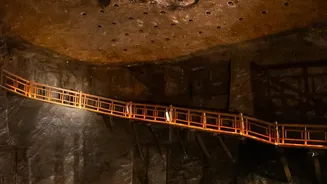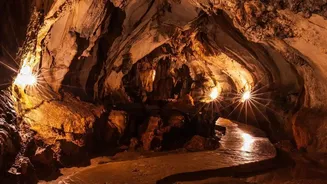


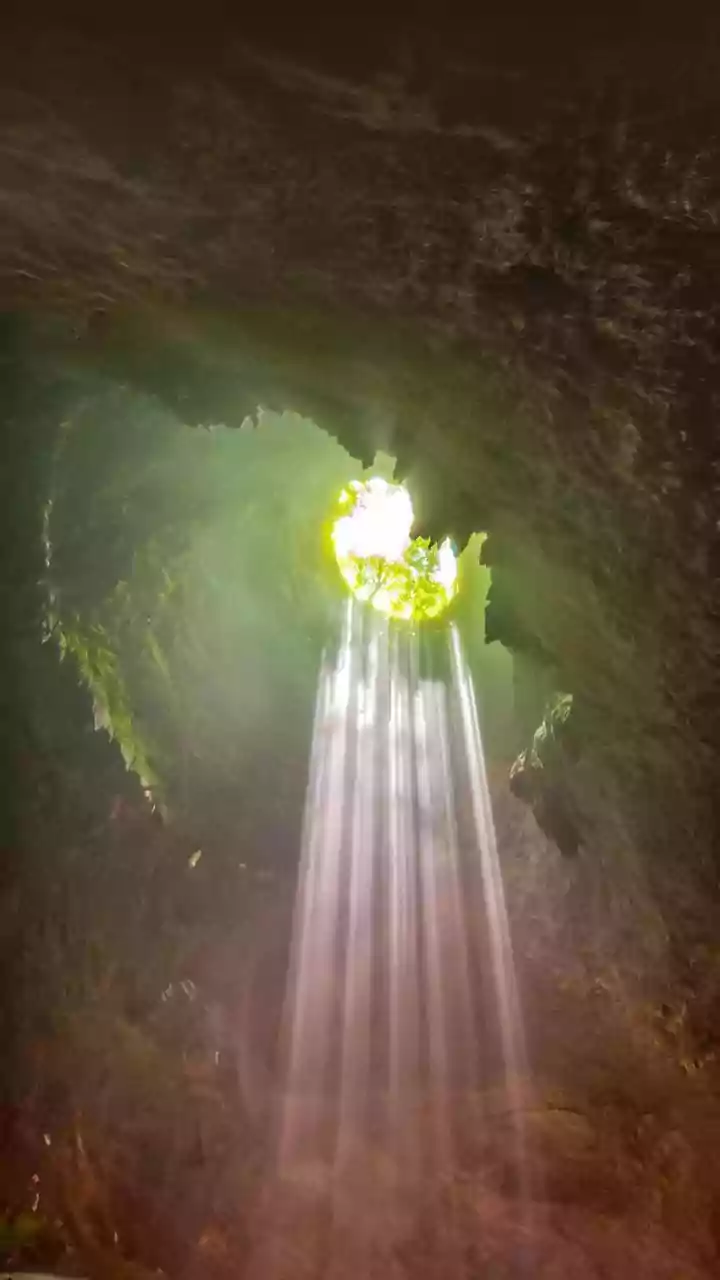
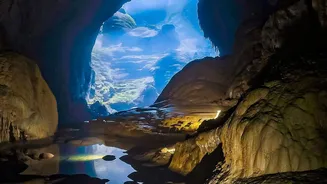
The journey begins not by foot, but with the rumble of a train plunging into darkness. This isn’t a theme park ride; it’s the entrance to Postojna Cave, a subterranean world in Slovenia that promises a truly spectacular caving experience.
A Train Ride to the Centre of the Earth
The adventure
at Postojna Cave, one of Europe's largest and most visited cave systems, is unique from the very start. Visitors board an open-air electric train, the world's only double-track cave railway, for a thrilling 3.7-kilometre journey deep into the mountain. First established in 1872, when guides pushed the carts by hand, the railway now whisks you through narrow tunnels and into vast, cathedral-like chambers that open up unexpectedly. As you speed through the cool, 10°C air, you'll pass grand halls adorned with Murano glass chandeliers, a hint of the surreal beauty that awaits. This initial ride isn't just transport; it’s an immersive introduction to the sheer scale of the 24-kilometre-long cave system carved over millions of years by the Pivka River.
A Kingdom of Stone and Water
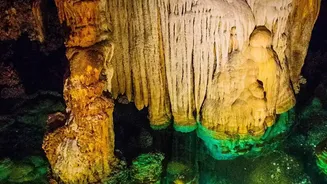
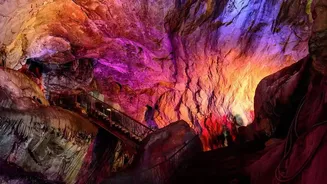
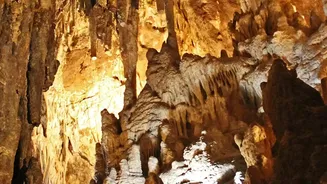
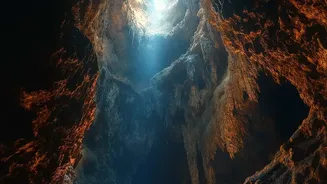
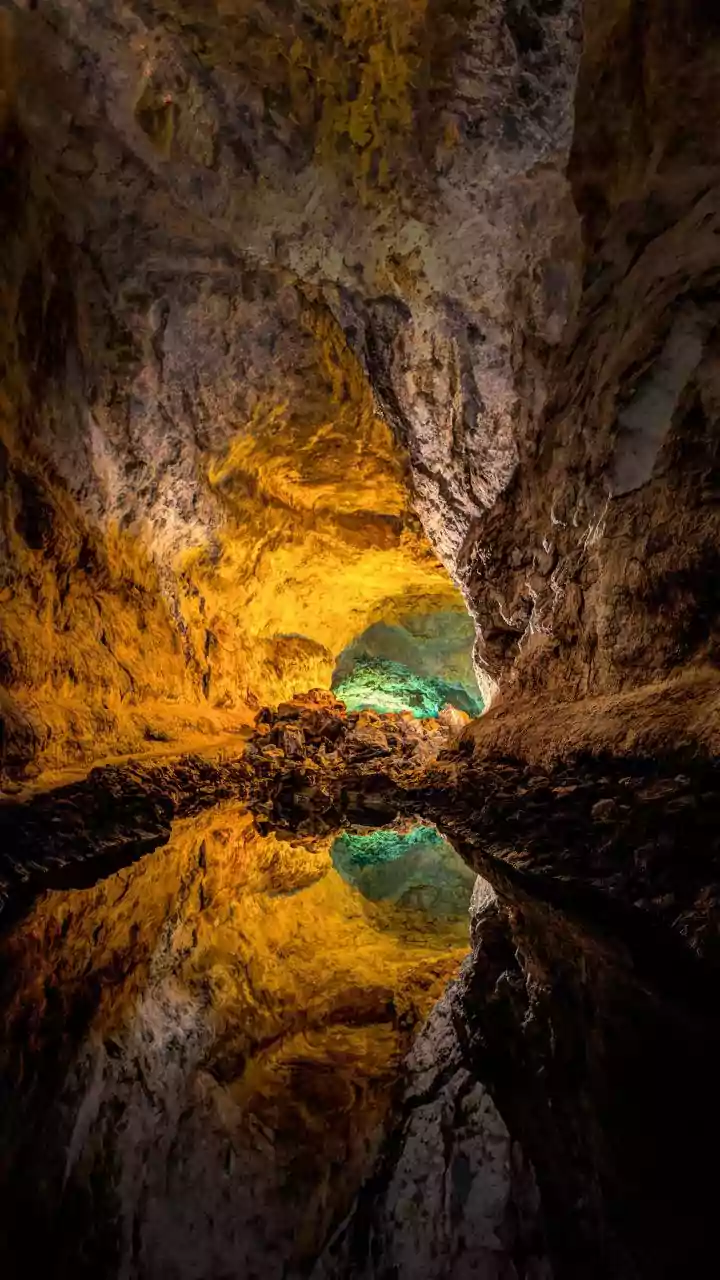
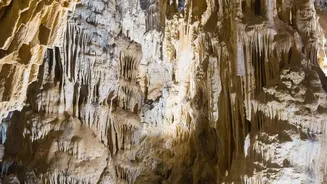
Once the train journey ends, a 1.5-kilometre guided walk begins on a paved, accessible path. Here, the true artistry of nature is on full display. The cave is a labyrinth of passages and halls filled with incredible limestone formations. You'll encounter stalactites hanging like icicles from the ceiling and stalagmites rising from the floor, some meeting to form massive pillars over thousands of years. Highlights include the 'Spaghetti Chamber', with its ceiling covered in thin, delicate stalactites, and halls where the mineral deposits create 'curtains' of rock tinged red and orange by iron oxides. The most iconic formation is the 'Brilliant', a five-metre-tall, dazzling white stalagmite that has become a symbol of the cave.
Meet the Legendary 'Baby Dragons'
Postojna Cave is more than just rock formations; it is a cradle of speleobiology. Its most famous resident is the olm (Proteus anguinus), a blind, pale amphibian that ancient legends mistook for a baby dragon. This unique creature is perfectly adapted to life in total darkness, navigating with heightened senses of smell and hearing. It is the largest cave-dwelling animal in Europe, can live for up to 100 years, and can survive for several years without food. Near the end of the tour, visitors can see these fascinating animals in a specially designed aquarium that mimics their natural habitat, offering a glimpse into the life that thrives in this underground ecosystem.
A Legacy of Exploration
While local graffiti dates back to 1213, the cave’s modern history as a tourist destination began in 1818 when a local lamplighter, Luka Čeč, discovered a new, spectacular section while preparing for a royal visit. Tourism officially started a year later, and the site has since welcomed over 38 million visitors. It was a pioneer in tourism innovation, introducing the world's first cave railway in 1872 and electric lighting in 1884, even before Ljubljana, the nation's capital. During World War II, a section of the cave was used by German forces to store fuel, which was later destroyed by Slovene Partisans, leaving some walls blackened to this day.
Planning Your Subterranean Adventure
A visit to Postojna Cave is well-organised but requires some planning. The entire tour lasts about 90 minutes. Booking tickets online in advance is highly recommended, especially during peak summer months, as tours operate on timed slots that can sell out. The temperature inside the cave is a constant 10°C yearround, so dressing in warm layers and wearing sturdy, comfortable shoes is essential, as the paved paths can be damp. The cave is largely accessible, making it a suitable attraction for families and visitors with mobility impairments. For those looking to extend their day, a popular option is a combination ticket that includes a visit to the nearby Predjama Castle, a stunning fortress built into the mouth of a cliff just a short drive away.