




Understanding Acute Mountain Sickness (AMS)
Before you plan your stops, it's crucial to understand what you're trying to prevent. Acute Mountain Sickness (AMS) is your body's response to the lower oxygen levels at high altitudes, typically above 2,500 metres (8,200 feet). Symptoms can appear within
6 to 24 hours and often mimic a bad hangover: a persistent headache, nausea, dizziness, fatigue, and loss of appetite. Ignoring these signs and continuing to ascend can lead to severe, life-threatening conditions. Fitness level is not a reliable predictor of who will be affected; anyone can suffer from AMS.
The Golden Rule: Go Slow and Ascend Gradually
The most effective way to prevent AMS is to allow your body time to adjust. The cardinal rule of high-altitude travel is to ascend gradually. Rushing the Manali-Leh highway in two days is a common but risky practice, especially for first-time travellers. Experts strongly recommend a three-day journey to allow for a proper acclimatisation stop. This slower pace gives your body a fighting chance to adapt to the thinning air. Remember to stay well-hydrated, eat light meals, and avoid alcohol, which can exacerbate symptoms.
Night 1: Choose Jispa or Keylong, Not Sarchu
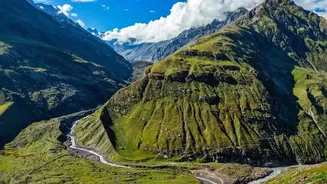
Your first overnight stop is the most critical decision you'll make. The most common mistake is pushing on to Sarchu on the first day. While it may seem like a convenient midway point, Sarchu sits at a dizzying altitude of about 4,290 metres (14,070 feet). Jumping from Manali's altitude (around 2,050 metres) to Sarchu in a single day is a recipe for a sleepless night and a nasty bout of AMS. The safer, and overwhelmingly recommended, option is to stop at either Keylong (3,080 metres) or Jispa (3,200 metres). Jispa, a serene village on the banks of the Bhaga River, is particularly favoured for its peaceful environment and slightly lower altitude gain, making it an ideal acclimatisation halt. This gentler first step is non-negotiable for a safe ascent.
Night 2: The Push to Leh or a Cautious Sarchu Stop
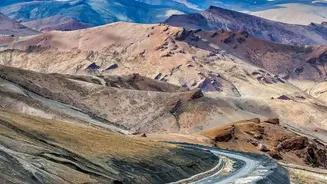
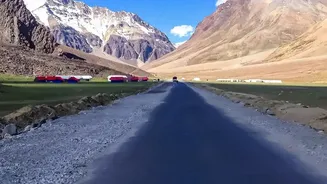
After a night in Jispa or Keylong, your body will be better prepared for the next leg of the journey, which involves crossing high passes like Baralacha La (around 4,890 metres) and Tanglang La (5,328 metres). For those on a two-day itinerary, the second day will be a long drive from Jispa directly to Leh (3,500 metres). It's a significant distance, but you will be descending into Leh to sleep, which aids acclimatisation. For those on a more relaxed three-day schedule, the second night is often spent at Sarchu. Having already spent a night at the intermediate altitude of Jispa, your body is better equipped to handle a night at Sarchu's tented camps. However, remain vigilant for AMS symptoms. If you feel unwell, it is always better to push on towards a lower altitude.
Arrival in Leh: Rest is Mandatory
You've made it! The raw, majestic beauty of Leh is all around you. But your acclimatisation journey isn't over. Leh itself is at a high altitude of approximately 3,500 metres (11,500 feet). It is absolutely essential to dedicate your first full day in Leh to rest. This means no strenuous activity—postpone that trip to Khardung La. Allow your body 24 to 48 hours to fully adjust to the altitude before you start exploring. This rest day significantly reduces the risk of developing delayed AMS and ensures you can enjoy the rest of your Ladakhi adventure in good health.