






Our Towering Garbage Mountains
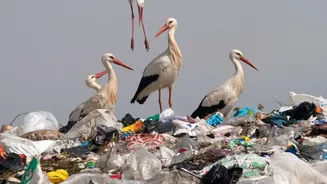
Indian cities are facing a monumental waste crisis. Metro areas generate thousands of tonnes of municipal solid waste daily. Much of this ends up in enormous open landfills like Ghazipur in Delhi or Deonar in Mumbai, which have become towering symbols
of the problem. These sites are not just eyesores; they are environmental hazards. As the mixed waste decomposes without oxygen, it releases methane, a greenhouse gas over 80 times more potent than carbon dioxide in the short term. Rainwater filtering through this waste creates a toxic liquid called leachate, which can contaminate soil and groundwater.
The Real Problem in Our Bins
The secret to solving this lies in understanding what we throw away. In India, over 50% of the contents of a typical household bin is organic 'wet waste'—things like vegetable peels, leftover food, and garden scraps. When this heavy, wet material is mixed with dry recyclables like paper and plastic, it contaminates everything. More importantly, it's this organic portion that rots in landfills, producing the foul smells and dangerous methane gas. By simply separating this one component, we can tackle the single biggest contributor to landfill pollution.
Segregation: The Simple First Step
Waste segregation at the source is the most crucial step in this entire process. It’s a simple habit of dividing your daily waste into three primary categories before it leaves your home. First is wet waste: all kitchen scraps, from fruit peels to leftover sabzi. Second is dry waste: paper, plastics, glass, and metal. Finally, there's domestic hazardous waste, which includes items like batteries, expired medicines, and cleaning agents. Keeping these streams separate ensures that dry waste can be recycled effectively and wet waste can be managed without creating a mess.
Composting: Turning Scraps into 'Black Gold'
Once you've separated your wet waste, you have the power to keep it out of the landfill altogether through composting. Composting is nature's recycling process, where microorganisms break down organic matter into a rich, dark, soil-like material called compost. This 'black gold' is a fantastic, nutrient-rich fertiliser for plants. By composting your kitchen scraps, you not only divert a huge volume of waste from overflowing landfills but also create a valuable resource for your own balcony garden or community green space, reducing the need for chemical fertilisers.
Easy Composting for Any City Home
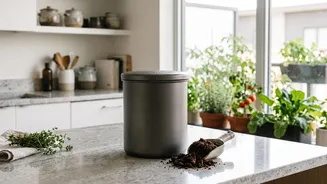
Composting in a metro apartment sounds complicated, but it's surprisingly easy. Several beginner-friendly methods require minimal space and investment. A simple terracotta pot (khamba) or even a basic plastic bucket with aeration holes can serve as a composter. The key is to layer your 'greens' (wet kitchen waste) with 'browns' (dry materials like dried leaves, cocopeat, or shredded newspaper) in a rough 3:1 ratio. This balances moisture and prevents odours. Covering the top layer of fresh waste with browns keeps pests away. In a few months, with occasional turning, the waste will transform into rich, earthy compost, ready to nourish your plants.