






The Welcome Price Drop
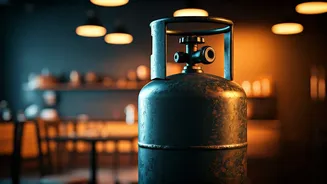
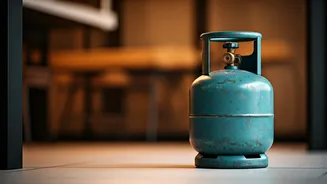
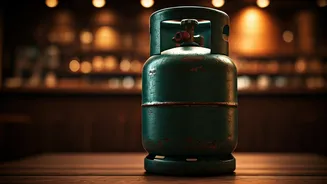
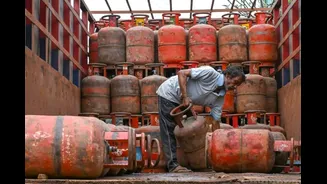
Oil marketing companies (OMCs) have announced a reduction of up to ₹183.50 for a 19-kg commercial LPG cylinder, the first such cut in 2026. This brings the price in Delhi down to ₹2,930 per cylinder. The new rates, which took effect on the first of July,
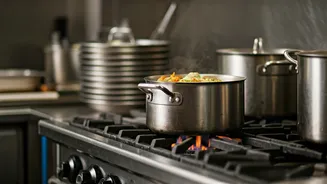
apply across the country, with similar reductions seen in other major cities like Mumbai, Kolkata, and Chennai. This move directly impacts establishments like restaurants, hotels, caterers, and even street food vendors, for whom cooking gas is a primary operational cost.
Why the Relief Now?
This price revision is not happening in a vacuum. It follows a period of considerable volatility and a series of price hikes earlier in the year. In April, for instance, commercial cylinder prices were increased by as much as ₹195.50. The current reduction is largely attributed to the easing of global crude oil prices and an improved LPG supply situation following a de-escalation of conflict in West Asia. As geopolitical tensions simmered down, supply chains have started to stabilise, allowing OMCs to pass on the benefit to commercial consumers.
A Sigh of Relief for Restaurateurs
For the food service industry, this is more than just a headline; it's a tangible reduction in daily expenses. Fuel can constitute a significant portion of a restaurant's overheads. The relentless price increases over the past several months had put immense pressure on profit margins, forcing many small and medium-sized businesses to either absorb the cost or pass it on to customers. This price cut provides immediate financial breathing room. It arrives just as the government has also relaxed supply restrictions on commercial LPG that were put in place to prioritise domestic household demand during the recent energy crisis.
Will Your Dining Bill Get Lighter?
While business owners are celebrating the cost reduction, consumers shouldn't expect an immediate drop in menu prices. The hospitality industry has been absorbing multiple cost pressures, including rising prices for raw materials and labour, in addition to the previous fuel hikes. This single price cut on LPG, while helpful, may not be enough to trigger widespread price reductions for diners. Most restaurant owners will likely see this as an opportunity to recover margins that were squeezed during the first half of the year. However, if this downward trend in fuel prices continues, it could prevent future menu price increases and create a more stable operating environment for these businesses.
The Bigger Picture: A Volatile Market
It is crucial to note that the price of domestic LPG cylinders—the 14.2-kg cylinders used in homes—remains unchanged. The OMCs adjust commercial LPG prices on a monthly basis, largely in line with international benchmarks. The first half of 2026 saw several sharp increases, including hikes of ₹111 in January and nearly ₹196 in April, making this recent cut a rollback of only a portion of the year's total increase. This volatility highlights the industry's vulnerability to global energy markets. The current relief is welcome, but the long-term outlook remains dependent on continued stability in international oil and gas supplies.