



The Heart of Hospitality: Traditional Qatari Cuisine
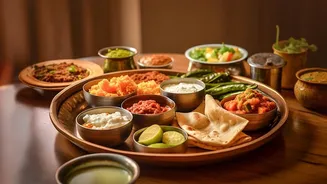
To truly understand Qatar, you must taste its history. The nation’s cuisine is a flavourful narrative of Bedouin traditions and maritime trade. The undisputed national dish is Machboos, a fragrant preparation of slow-cooked lamb or chicken with spiced
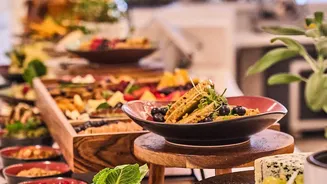
rice that evokes the essence of a celebratory meal. Another cornerstone is Harees, a comforting, porridge-like dish of ground wheat and meat, often enjoyed during gatherings. For a taste of home-style cooking, look for Saloona, a hearty meat and vegetable stew, and Thareed, which involves pieces of flatbread soaked in a rich broth. You can find these authentic dishes in dedicated local restaurants like Bayt Sharq, a restored heritage house, which offers a glimpse into the nation's past with every bite.
The Souq Waqif Food Trail
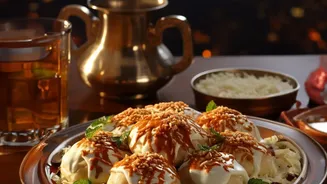
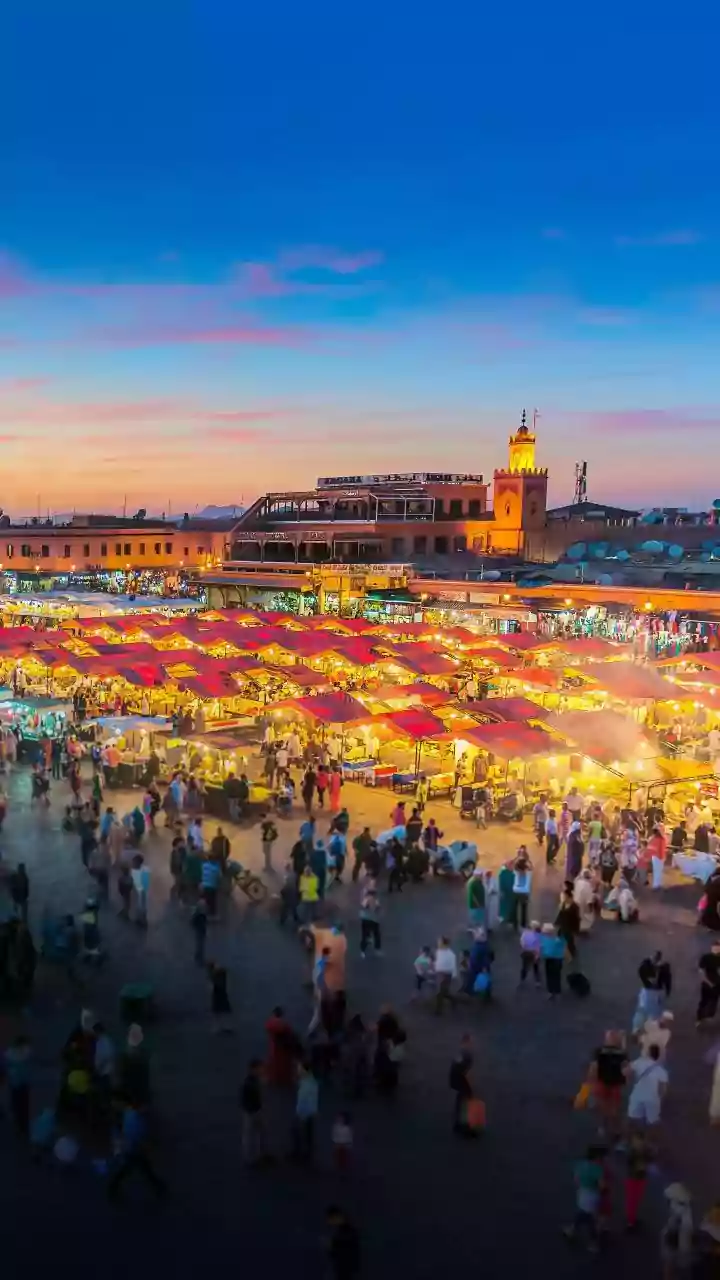
No culinary tour of Doha is complete without a visit to Souq Waqif. This bustling, labyrinthine market is the city's atmospheric heart, offering a sensory overload of sights, sounds, and smells. Here, you can follow a trail of culinary delights, from women cooking paper-thin Regag bread on open griddles to vendors selling sweet Luqaimat dumplings drizzled in date syrup. For a more structured meal, the souq is home to a variety of restaurants. Damasca One offers a vibrant Syrian dining experience perfect for people-watching, while Parisa dazzles with its intricate mosaic interiors and Persian cuisine. For an authentic Qatari breakfast, Shay Al Shamoos, run by one of the first female entrepreneurs in the souq, is a must-visit for its famous Balaleet (sweet vermicelli with an egg omelette). If you're after fresh seafood, Danat Al Bahar lets you pick your fish from a display before it's grilled to perfection.
A World on a Plate: Global Fine Dining
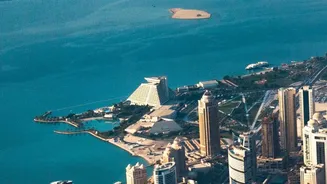
Doha's ambition is reflected in its glittering fine-dining scene, which has attracted some of the biggest names in the culinary world and the prestigious Michelin Guide. This global palate means you can find almost any cuisine executed at the highest level. The city boasts the world's largest Nobu, perched over the Arabian Gulf with panoramic skyline views. Indian cuisine is celebrated with innovative flair at places like Masala Library by Jiggs Kalra, known for its use of molecular gastronomy. For those craving South Indian and Sri Lankan flavours, Hoppers offers creative dosas and rich curries. Meanwhile, acclaimed establishments like Zuma (Japanese), Hakkasan (Chinese), and IDAM by Alain Ducasse located inside the Museum of Islamic Art, offer sophisticated experiences that make Doha a true international dining hub.
Beyond the Restaurant: Unique Experiences
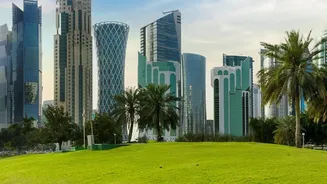
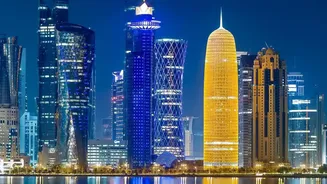
Qatar's culinary pitch extends beyond traditional restaurant settings, offering memorable dining adventures. Imagine enjoying a meal on a traditional wooden Dhow as it cruises along the Corniche, with the glittering lights of the West Bay skyline as your backdrop. For a different kind of spectacle, Doha's only revolving restaurant, Three Sixty, offers constantly changing 360-degree views from the 47th floor of The Torch Doha. The city is also embracing creative and immersive concepts, from a dinner show hosted by the world's smallest chef at Le Petit Chef to farm-to-table meals at organic farms like Heenat Salma. These unique offerings are central to Qatar's strategy to establish itself as a premier destination for culinary tourism.
The Culture of Karak
While grand meals are a highlight, the simple pleasure of a cup of Karak is an essential part of daily life in Qatar. This strong, milky tea, spiced with cardamom, is a cultural phenomenon. You will find Karak shops everywhere, from bustling street corners in the souq to dedicated modern cafés. It’s more than just a beverage; it’s a social ritual, a moment of pause in the day. Paired with a sweet or savoury snack, it's the perfect way to refuel while exploring. Enjoying a cup of Karak is an authentic, accessible way to connect with the local culture and hospitality.