





Your Weekend Game Plan
The key to a successful week of eating is dedicating a small amount of time on a Saturday or Sunday—just 90 minutes to two hours is enough. This small investment will pay off massively during your busy weekdays. The goal isn't to cook seven distinct meals,
but to prepare the core components that can be mixed and matched. Think of it as creating your own personal salad bar or meal-bowl station in your fridge. This approach prevents the monotony of eating the same exact meal all week and gives you the flexibility to assemble dishes based on your cravings.
The Smart Shopping List
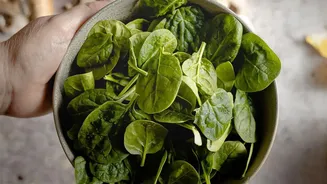
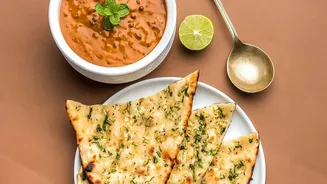
A good prep session starts at the grocery store. Keep your kitchen stocked with affordable staples that form the foundation of countless meals. Organize your list into categories to make shopping efficient: Grains: Rice, quinoa, millets, and whole-wheat pasta are inexpensive and filling. Buying these in bulk can save money. Proteins: Lentils (dal), chickpeas (chana), kidney beans (rajma), tofu, and paneer are versatile and packed with protein. Canned beans are a great time-saver. Hardy Vegetables: Carrots, bell peppers, onions, broccoli, cauliflower, and sweet potatoes hold up well after being chopped. Greens and Soft Veggies: Spinach, coriander, tomatoes, and cucumbers are best used earlier in the week. * Flavour Boosters: Ginger, garlic, lemons, yogurt, and basic spices like turmeric, cumin, and chilli powder are essential for making your food taste great.
Mastering the Prep Session
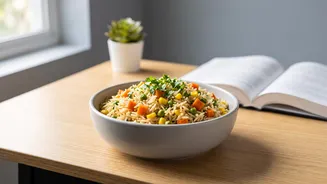
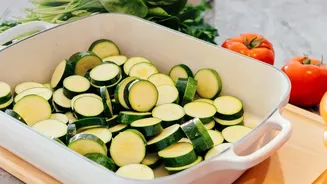
Once you have your groceries, it's time to prep. First, wash everything. Then, get your airtight containers ready. Start with the items that need cooking. Put on a pot of rice or quinoa and another of lentils or chickpeas. While they simmer, you can move on to the vegetables. This is multitasking at its most efficient. You can also boil some potatoes or sweet potatoes, which can be quickly roasted or pan-fried later. Next, tackle the vegetables. Chopping onions, carrots, and bell peppers in one go saves a huge amount of time during the week. You can slice them, dice them, or cut them into sticks for snacking. For broccoli and cauliflower, cut them into florets.
Storing for Maximum Freshness
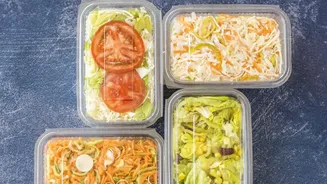
Proper storage is crucial to making your prepped ingredients last. Allow cooked grains and legumes to cool completely before sealing them in airtight containers in the fridge. For chopped vegetables, the key is managing moisture. Store hard veggies like carrots and celery in airtight containers; you can even add a little water to carrot sticks to keep them crisp. For broccoli and cauliflower florets, a container with a slightly vented lid or a paper towel inside can help absorb excess moisture and prevent them from spoiling. Washed and thoroughly dried leafy greens can be stored wrapped in a paper towel inside a reusable bag.
Assembling Quick-Fix Meals
With your fridge stocked with prepped containers, weekday meals become an assembly job, not a cooking marathon. You can throw together a satisfying meal in minutes. Quick Bowls: Start with a base of grains (rice, quinoa). Top with a protein (chickpeas, dal), a few handfuls of pre-chopped veggies, and a simple dressing or a squeeze of lemon. Easy Stir-Fries: Toss your pre-cut vegetables and tofu or paneer into a hot pan with some soy sauce or spices. Serve over your pre-cooked rice. Hearty Salads: Use your washed greens as a base, add chickpeas, chopped carrots and cucumbers, and maybe some crumbled paneer for a protein-packed lunch. Speedy Wraps: Fill a whole-wheat chapati or tortilla with lentils, sliced onions, and a dollop of yogurt for a portable meal.