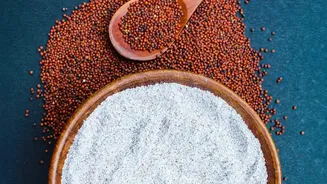








An Ancient Drink for Modern Times
Ambali, also known as ragi koozh or ganji, is a traditional beverage with deep roots in states like Karnataka, Andhra Pradesh, and Telangana. Historically, it was a staple for farmers and laborers, valued for its ability to cool the body and provide sustained
energy during hot days. It's a savory, thin porridge made by cooking finger millet (ragi) flour with water. The mixture is then traditionally allowed to ferment overnight, which gives it a characteristic mild tang. This fermented base is then often mixed with buttermilk or curd, and seasoned with salt, chopped onions, curry leaves, and other spices, creating a refreshing and nourishing drink. Today, this once-rustic drink is being rediscovered by a new generation of health-conscious consumers and appearing on the menus of wellness cafes.
The Nutritional Power of Finger Millet
The foundation of ambali is finger millet, or ragi, a true superfood. Ragi is a nutritional powerhouse, packed with essential nutrients. It's an exceptional plant-based source of calcium, containing 5 to 30 times more than other cereals, making it fantastic for bone health. It's also rich in dietary fiber, which aids digestion, promotes a feeling of fullness, and can help with weight management. Additionally, ragi provides a good amount of iron, crucial for preventing anemia, and high-quality protein containing essential amino acids like methionine. Being naturally gluten-free, it is an excellent and safe choice for individuals with celiac disease or gluten sensitivity.
Fermentation: Unlocking Nature’s Superpowers
The magic of ambali lies in its fermentation. This ancient preservation technique transforms the humble ragi porridge into a probiotic powerhouse. During fermentation, beneficial bacteria, such as lactic acid bacteria, break down the natural starches and sugars in the millet. This process has two major benefits. First, it creates probiotics, the 'good' bacteria that are essential for a healthy gut microbiome. A thriving gut microbiome is linked to better digestion, a stronger immune system, and even improved mood. Second, fermentation breaks down 'antinutrients' like phytic acid, which can inhibit the body's ability to absorb minerals. This makes the abundant calcium, iron, and zinc in ragi more bioavailable, meaning your body can absorb and use these vital nutrients more effectively.
Your Gut's Best Friend
In an era where gut health is increasingly recognized as the cornerstone of overall wellness, ambali stands out as a natural, whole-food solution. The live probiotics cultivated during fermentation help populate the gut with beneficial microbes, which can crowd out harmful pathogens and reduce inflammation. This contributes to a diverse and resilient gut microbiome, which research shows is critical for everything from nutrient absorption to immune function. Regular consumption of fermented foods like ambali can help reduce issues like bloating and improve overall digestive harmony. For those looking to move beyond commercial probiotic supplements, ragi ambali offers a delicious and traditional way to nourish gut health.
How Ambali Fits a Modern Lifestyle
The resurgence of ambali is part of a broader trend of rediscovering traditional Indian foods and beverages that align with modern wellness goals. Consumers are increasingly turning away from sugary, processed drinks in favor of natural, functional alternatives. Ragi ambali fits this need perfectly. It’s a natural coolant, making it an ideal summer drink to stay hydrated and balanced. Its low glycemic index helps in regulating blood sugar levels, making it a suitable option for individuals managing diabetes. As a light yet satiating drink, it serves as an excellent breakfast, mid-day snack, or post-workout recovery beverage, providing sustained energy without the crash associated with sugary drinks.