




The Race for Speed Reaches Small Towns
For years, the promise of one-day or even 10-minute delivery was a luxury reserved for metro cities. Today, that is rapidly changing. As India's e-commerce market continues its explosive growth, projected to reach between USD 300 and USD 350 billion by
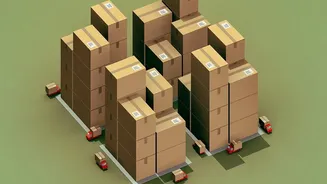
2030, the battle for customers has moved to a new frontier: speed and reach in non-metro areas. Companies like Amazon and Flipkart, along with quick-commerce players like Blinkit and Zepto, are locked in a fierce race to deliver everything from groceries to electronics faster than ever. This obsession with speed has pushed them to decentralise their operations, moving away from mega-hubs in big cities to a distributed network of smaller warehouses, dark stores, and sortation centres closer to where their new customers live.
Why Tier 3 Cities Are the New Frontier
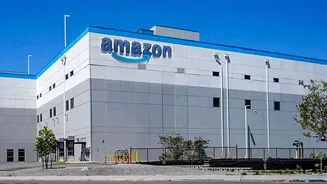
The strategic shift to India's smaller cities and towns is driven by simple economics: that's where the growth is. While metros are becoming saturated, Tier 2 and Tier 3 markets are registering explosive order volume growth. These regions already account for over 60% of all e-commerce demand in India. To serve this burgeoning customer base and meet their rising expectations for fast delivery, companies have no choice but to build infrastructure locally. In September 2026, Amazon announced a massive expansion, launching new fulfilment centres and sortation hubs in cities like Raipur, Ranchi, and Varanasi for the first time. Flipkart has been similarly aggressive, targeting over 1,500 quick commerce 'dark stores' by the end of 2026, many in Tier 2 and 3 locations like Muzaffarpur, Asansol, and Sonipat.
A New Wave of 'Blue-Collar' Jobs
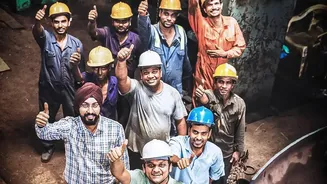
This infrastructure boom is creating tens of thousands of jobs. Ahead of the 2026 festive season, Amazon alone announced 160,000 seasonal opportunities across its operations network, spanning over 400 cities, including many smaller towns. These are not just delivery driver roles. The new warehouses and fulfilment centres require a wide range of staff: pickers, packers, sorters, inventory controllers, returns executives, and operations managers. While some roles are temporary or gig-based, they offer a crucial source of formalised employment in areas with limited opportunities. Monthly salaries for full-time warehouse associates typically range from ₹18,000 to ₹30,000, often including benefits like provident fund, ESI, and transportation, providing a stable entry point into the formal economy.
The Ripple Effect on Local Economies
The impact extends beyond direct employment. The influx of logistics operations stimulates local economies, creating a ripple effect. It spurs demand for ancillary services like transportation, security, and food catering. This activity can lead to infrastructure improvements and inject new life into local real estate markets. For workers, these jobs offer a pathway for career progression. An entry-level warehouse associate can advance to roles like team lead or area manager within a few years, with salaries rising accordingly. This trend represents a significant formalisation of the blue-collar workforce, shifting jobs from the unorganised sector to structured roles within large, technology-driven companies.
Overcoming the Logistical Hurdles
Expanding into Tier 3 India is not without its challenges. Companies must navigate issues like poor road connectivity, a lack of standardised addresses that rely on landmarks, and variable network coverage that can disrupt tracking systems. To overcome this, firms are innovating with technology like AI-driven route optimisation and voice-based navigation in local languages. They are also partnering with local Kirana stores to act as delivery and pick-up points, leveraging local knowledge to solve the last-mile puzzle. While concerns about the pressures of ultra-fast delivery on workers remain, the overall trend is one of immense opportunity. The logistical backbone of India is being fundamentally re-engineered, and the nation's smaller cities are at the very heart of this transformation.