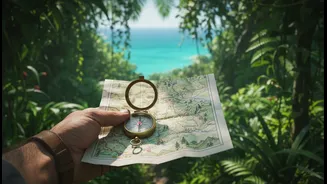






What Exactly Is Slow Travel?
Slow travel isn't about moving at a snail's pace; it's a mindset shift. It's the conscious decision to choose quality over quantity. Instead of rushing to tick off five cities in a week, a slow traveller might spend that entire week in a single town or
region. The goal is not to see everything, but to truly experience one place — its culture, its food, its people, and its natural rhythm. This approach stems from the broader “slow living” movement, which champions a more intentional and mindful way of life. It’s about trading the whirlwind tour for a meaningful connection, leaving you feeling rested and enriched, not exhausted from your own vacation. It prioritises meeting local people, understanding their culture, and being open to spontaneous experiences rather than sticking to a rigid itinerary.
The Great Post-Pandemic Deceleration
So why is this becoming a major trend now? The answer lies in a collective shift in priorities. After years of hustle culture and the unprecedented pause brought on by the pandemic, many are rethinking what a holiday should be. A recent travel report revealed that relaxation is the primary motivation for travel for a majority of Indian travellers. There is a growing desire to escape urban chaos and disconnect from the pressures of daily life. This has fuelled a move away from crowded tourist hotspots towards quieter getaways focused on wellness, reflection, and a connection with nature. Travellers are increasingly seeking authentic experiences that allow them to recharge on a deeper level, something a packed, fast-paced trip often fails to provide.
Why the Hills Are the Perfect Setting
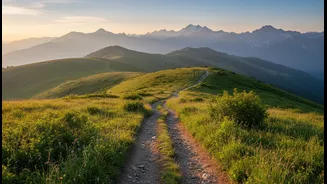
The mountains have always been a refuge, but they are uniquely suited to the slow travel philosophy. Recent data shows a significant spike in interest for destinations in India's Himalayan belt. Accommodation searches for places like Dharamshala and Rishikesh have seen dramatic year-on-year growth, highlighting a clear trend. Hill stations offer the perfect backdrop for slowing down. The tranquil environment, sprawling nature, forest trails, and opportunities for spiritual and cultural immersion—from meditation centres in Dharamshala to yoga retreats in Rishikesh—are a natural fit for this unhurried approach. It's easier to disconnect from a hyper-connected world when you're surrounded by majestic peaks and the gentle pace of mountain life.
How to Embrace the Slow Lane
Adopting a slow travel mindset doesn't require a month-long sabbatical. It's about changing your approach. Instead of booking a different hotel every night, consider staying longer in one place, like a local homestay or a villa, which can also be more economical. This allows you to become a temporary part of the local fabric. Visit the local market, find a favourite neighbourhood café, and spend an afternoon simply observing life without an agenda. Ditch the checklist of 'must-see' sights and allow for spontaneity. Some of the most memorable travel moments happen when they're not planned. Engage with the local community respectfully, support small businesses instead of large chains, and consider travelling during the shoulder season to avoid crowds and have more authentic interactions.