






The Speed Equation: Beyond Mere Journey Time
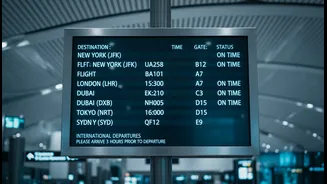
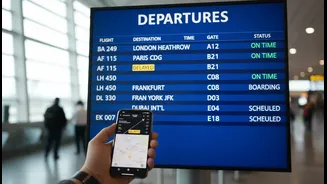
A two-hour flight might seem faster than a six-hour train, but the calculation isn't that simple. For air travel, the 'door-to-door' time is what matters. You must account for travelling to the airport (often located far from the city centre), arriving
two hours early for check-in and security, potential baggage claim waits, and then the final journey into your destination city. A two-hour flight can easily become a five or six-hour ordeal. For distances under 600 kilometres—like Bengaluru to Mysuru or Mumbai to Pune—a premium train like the Vande Bharat or Tejas Express is often faster and more efficient overall. These trains depart from centrally located stations, minimising the 'last-mile' travel time and stress.
Stops, Comfort, and the Onboard Experience
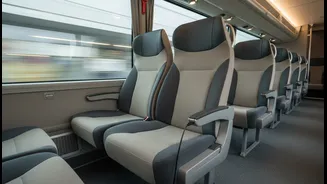
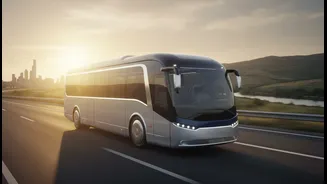
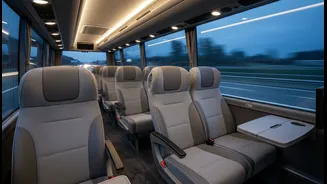
The nature of your journey dictates the importance of comfort. A business traveller on a day trip has different needs than a family on vacation. Vande Bharat and Tejas trains offer a significant leap in comfort over older services, with cleaner interiors, better seating, and onboard catering included in the fare. Premium intercity buses, such as those operated by IntrCity SmartBus, now offer amenities like reclining or sleeper berths, on-board washrooms, Wi-Fi, and charging points, making them a strong contender for overnight journeys. While a flight is quick, the experience can feel cramped. In contrast, trains offer the freedom to walk around, and premium buses provide privacy curtains and blankets, enhancing the comfort on longer routes. The number of stops is also a key differentiator; express trains have limited halts, ensuring a faster transit time compared to many bus routes which may have multiple pick-up and drop-off points.
The Flexibility Factor: Decoding Cancellation Policies
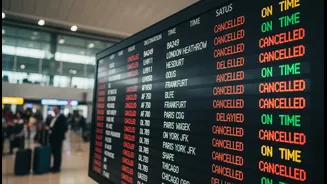
Your travel plans can change, and the cost of that change varies dramatically across different modes of transport. Airlines in India operate on a tiered system; cheaper, 'saver' fares often come with high cancellation penalties, sometimes exceeding ₹3,000-₹4,000, while more flexible, expensive tickets offer cheaper cancellations. It's crucial to read the fare rules before booking. Indian Railways recently updated its cancellation rules, effective from April 2026. Now, you get a full refund (minus a small clerkage charge) only if you cancel more than 72 hours before departure. If you cancel within 8 hours of the train's departure, you will receive no refund at all. This is a significant change from the previous 4-hour window, making last-minute changes much costlier for train travellers. Bus operator policies vary, so always check the specific terms when booking, as some offer more lenient cancellation windows than others.
What About 'Clean Mobility'?
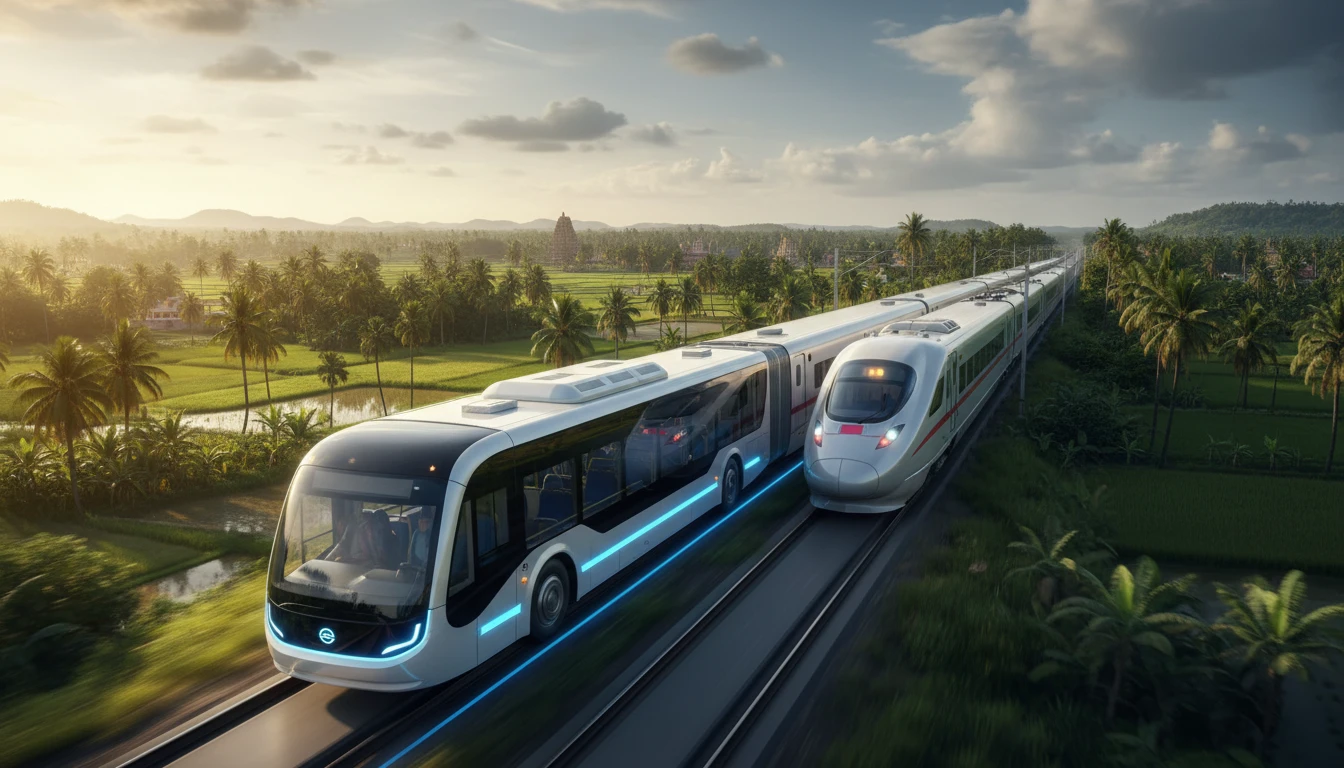
For the environmentally conscious traveller, the choice is clearer. Scientific analysis consistently shows that train travel has a significantly lower carbon footprint than flying. On a 1,000 km journey, a passenger in an executive class train compartment emits around 30 kgs of CO2, compared to 285 kgs for an air traveller. Even a comfortable AC bus, emitting about 70 kgs, is a much greener choice than a plane. Flights are most polluting on short-haul routes due to the high fuel consumption during takeoff and landing. As India invests more in railway infrastructure and electric buses, ground transport is set to become an even more sustainable choice for intercity travel.