





Shop Smart, Stay Safe
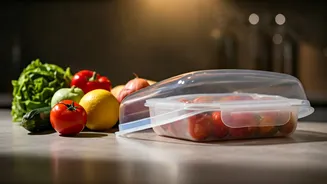
Your first line of defence is a vigilant eye at the grocery store. Begin by inspecting packaging; avoid cans that are dented or bulging and packages that are torn or leaking. When selecting produce, give it a gentle check for bruises or mould. Plan your
route through the store strategically: collect non-perishable items first, followed by refrigerated and frozen goods. Raw meat, poultry, and seafood should be the last items you pick up. Always place these items in separate plastic bags to prevent their juices from dripping onto other foods in your cart, a key step in preventing cross-contamination. At the checkout, keep these raw items separate from ready-to-eat foods.
The Crucial 'Cold Chain'
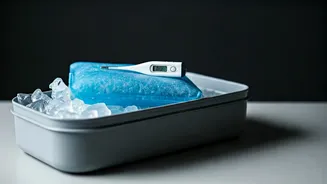
Once you've paid, the clock starts ticking. Harmful bacteria can multiply rapidly in the 'danger zone' between 40°F (4°C) and 140°F (60°C). Your goal is to get perishable foods into your refrigerator or freezer as quickly as possible. The general rule is to refrigerate perishables within two hours. However, if the outdoor temperature is high, such as above 90°F (32°C), this window shrinks to just one hour. Making the grocery store your last stop before heading home is a simple but effective strategy. For longer journeys or on particularly hot days, using an insulated bag or cooler for cold items is a wise investment.
Mastering Kitchen Storage
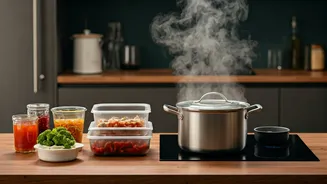
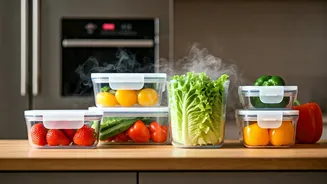
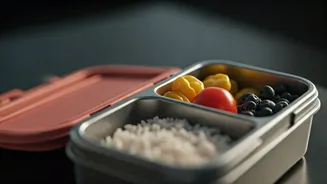
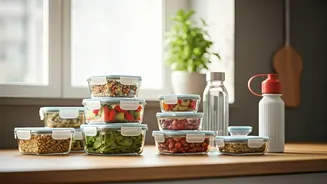
Proper storage is about more than just tidiness; it’s about safety. Your refrigerator should be set at or below 40°F (4°C), and your freezer at 0°F (-18°C). Use an appliance thermometer to be sure. The placement of food matters immensely. Store raw meat, poultry, and seafood in sealed containers on the bottom shelf of your fridge. This simple step prevents their juices from dripping onto and contaminating other foods below. Ready-to-eat and cooked foods should be stored on upper shelves. Avoid overpacking the fridge, as good air circulation is needed to keep everything cool. When it comes to leftovers, store them in shallow containers to cool down faster and use them within three to four days.
The Four Pillars of Preparation
When it's time to cook, adhering to four core principles—Clean, Separate, Cook, and Chill—is fundamental to food safety.
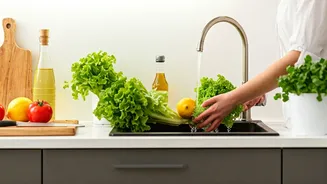
Clean: Wash your hands with soap and warm water for at least 20 seconds before, during, and after handling food. Wash cutting boards, utensils, and countertops with hot, soapy water after each use. Always rinse fresh fruits and vegetables under running water, even those you plan to peel.
Separate: Cross-contamination is a major cause of food poisoning. Use separate cutting boards and utensils for raw meat and for ready-to-eat foods like vegetables. Never place cooked food back on a plate that previously held raw meat unless it has been thoroughly washed.
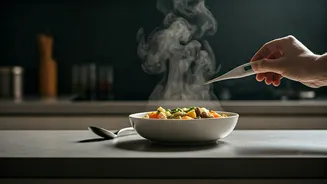
Cook: The only way to know if food is safely cooked is to use a food thermometer. Colour and texture are not reliable indicators.
Chill: This goes back to refrigerating foods promptly and thawing them safely. The safest ways to thaw frozen food are in the refrigerator, in cold water (changed every 30 minutes), or in the microwave. Never thaw food on the kitchen counter, as the outer layers can enter the temperature danger zone while the inside is still frozen.
Avoiding Common Kitchen Mistakes
Many common habits can unknowingly increase your risk of foodborne illness. One of the most frequent mistakes is washing raw poultry. This practice doesn't remove bacteria; instead, splashing water can spread germs from the chicken to your sink, countertops, and other surfaces. Cooking the meat to the correct temperature is what effectively kills bacteria. Another common error is misusing kitchen sponges and dishcloths, which can become breeding grounds for bacteria. Clean your sponges daily and replace them often, ideally weekly. Finally, a simple but crucial rule: when in doubt, throw it out. Food doesn't have to look or smell spoiled to make you sick.