


Why a Weather Check is Non-Negotiable
A snow holiday is about more than just seeing flakes fall. The weather dictates everything. A forecast of 'no snow' is a clear reason to postpone, but the dangers of not checking run deeper. Heavy snowfall can lead to road closures, leaving you stranded.
High winds can shut down gondolas and ski lifts, while poor visibility from fog or clouds can make sightseeing impossible and outdoor activities unsafe. Mountain weather is notoriously unpredictable; a sunny morning can quickly turn into a freezing, windy afternoon. Checking the forecast helps you anticipate these risks, pack appropriately, and create a flexible itinerary with backup plans. Ignoring it doesn't just risk your enjoyment, it can risk your safety, especially with potential hazards like landslides or extreme cold.
Picking the Right Destination and Time
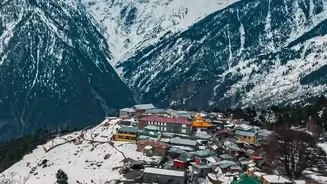
Your chances of seeing snow depend heavily on where and when you go. For the most reliable conditions, destinations like Gulmarg in Kashmir and Auli in Uttarakhand are prime choices, especially in January and February, which are often the best months for heavy snowfall across the Himalayas. Manali and the nearby Solang Valley in Himachal Pradesh are also extremely popular, particularly for first-timers and families, with a good snow season from late December to February. While some high-altitude locations might see their first snow in November or December, it's often not guaranteed in popular towns until later in the winter. For a better chance of experiencing a winter wonderland, aim for the peak months of January and February.
What to Look for in a Forecast
A good weather check goes beyond a simple temperature reading. Look for detailed forecasts that include the probability and amount of precipitation. Is it predicting light flurries or several inches of fresh snow? Pay attention to the 'feels like' temperature, which accounts for wind chill and is a better indicator of how cold it will actually be. Wind speed is another critical factor, as high winds can make conditions feel much colder and can lead to the closure of cable cars and ski lifts. Also, look for the freezing level, which is the altitude at which the temperature drops to zero. This will tell you whether to expect snow in the valley town or only on the upper slopes. Finally, always check for any official weather warnings or alerts issued for your destination.
Reliable Weather Sources for India
For official information, the India Meteorological Department (IMD) is the primary source. Their 'Mausam' app and website provide forecasts, satellite imagery, and severe weather warnings. In recent years, the IMD's accuracy for predicting severe weather has improved significantly. Several private weather services are also popular and provide detailed, user-friendly information. Apps like Skymet Weather, AccuWeather, and The Weather Channel offer localised forecasts for thousands of locations across India, often including 7-to-15-day outlooks. Skymet is a well-regarded Indian company known for its focus on the subcontinent, while AccuWeather is popular for its detailed hourly forecasts. It's often wise to compare two or three different sources to see if they are telling a similar story.
On-the-Ground Reality Checks
Long-range forecasts are great for initial planning, but mountain weather is notoriously local and can change in an instant. Forecasts for a main town may not reflect the conditions at higher altitudes just a few kilometres away. Therefore, once you arrive, it's crucial to get real-time updates. Check for information boards at your hotel or near ski lifts, which often display the current temperature, wind conditions, and visibility on the upper slopes. Don't hesitate to talk to locals, such as your hotel manager or local drivers. They have invaluable experience with regional weather patterns and can offer the best advice on whether it's a good day to travel to higher points. Always keep a buffer day in your itinerary to account for potential delays due to bad weather.