




Go for Gourds and Ground Vegetables
The monsoon harvest is rich with a variety of gourds that are light on the stomach and easy to digest. Vegetables like bottle gourd (lauki), ridge gourd (turai), pointed gourd (parwal), and bitter gourd (karela) are excellent choices. These vegetables
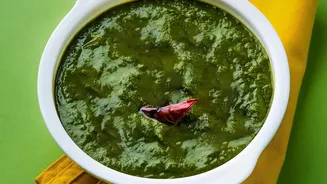
are high in water content and fibre, aiding digestion which tends to be sluggish during this season. Traditional wisdom, supported by Ayurveda, suggests that these vegetables are ideal for maintaining health during the rains. Root vegetables such as sweet potato and elephant foot yam (jimikand) are also great additions. While leafy greens are nutritious, it's best to be cautious due to the higher risk of contamination from dirt and worms; if you do consume them, ensure they are washed thoroughly and well-cooked.
Savour Seasonal Fruits for Immunity
Nature provides the perfect fruits to boost immunity during the monsoon. Jamun (Indian blackberry) is a quintessential monsoon fruit, rich in iron, vitamin C, and antioxidants that help fight infections. Other excellent choices include peaches, plums, cherries, and pears, which are packed with essential vitamins and fibre. Pomegranates and papayas are also highly recommended; pomegranates boost haemoglobin, keeping energy levels up, while the papain enzyme in papaya aids digestion. While mangoes are primarily a summer fruit, some varieties are still available in the early monsoon and can be enjoyed. Always remember to wash fruits thoroughly before eating.
Embrace Warming Spices and Herbs
The Indian spice box is a treasure trove of wellness, especially during the monsoon. Spices don't just add flavour; they have properties that help the body cope with the season. Ginger, garlic, and turmeric are a powerful trio. Ginger and garlic are known for their ability to fight off colds and flu, while turmeric is a potent anti-inflammatory and antibacterial agent. Black pepper, cloves, and cinnamon are warming spices that are perfect for adding to teas, soups, and curries. Spices like cumin (jeera) and carom seeds (ajwain) are excellent for digestion, helping to prevent the bloating and gas that can be common during this time. A pinch of asafoetida (hing) in your dals and vegetable preparations can also significantly aid digestion.
Choose Light Grains and Pulses
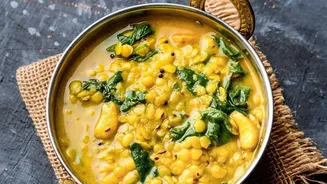
Since the digestive system can be weaker during the monsoon, it's wise to opt for grains and lentils that are easy to process. Moong dal is considered one of the most digestible pulses and is a staple in many Indian households during this season. Khichdi, a simple one-pot meal made from rice and moong dal, is considered the ultimate comfort food for the rains as it's nourishing yet light. Other good choices include millets like jowar and bajra, which are high in fibre. It's generally a good idea to eat freshly cooked, warm meals and avoid heavy, oily, and stale foods.
Stock Your Pantry for Monsoon Cravings
The rainy season is synonymous with certain cravings, and having the right ingredients on hand makes it easy to whip up healthier versions at home. Gram flour (besan) is a must-have for making classic snacks like pakoras. Pairing these with a homemade mint or tamarind chutney adds a fresh burst of flavour. Roasted corn on the cob (bhutta), seasoned with lemon juice and salt, is another beloved and relatively healthy monsoon snack. For beverages, keep a stock of good quality tea leaves and your favourite warming spices like cardamom, cloves, and ginger to brew countless cups of masala chai that perfectly complement the rainy weather.