




Why Monsoon Diets Need a Rethink
The high humidity during the rainy season can weaken our digestive fire, or 'Agni', as it's known in Ayurveda. This slowdown can lead to bloating, indigestion, and a general feeling of sluggishness. The damp environment is also a breeding ground for bacteria
and viruses, increasing the risk of infections. For generations, Indian households have adapted their diets to this season, favouring warm, light, and freshly cooked meals over heavy or raw foods. This traditional wisdom is now being embraced for its scientific validity, focusing on foods that are easy to digest and naturally boost immunity.
The Resurgence of Mighty Millets
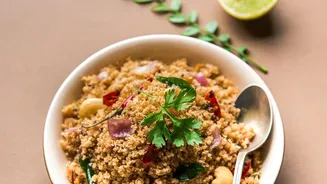
Once a staple, millets like jowar, ragi, and bajra are returning to the forefront of monsoon meal planning. Lighter and easier to digest than heavier grains like wheat and rice, they are rich in fibre and essential minerals. The healthy twist lies in their preparation. Instead of just traditional bhakris, millets are now being used to create light dosas, nutrient-dense porridges, wholesome upma, and even salads. Their high fibre content helps regulate the digestive system, which is especially beneficial during the sluggish monsoon months.
Embracing Gourds and Bitter Vegetables
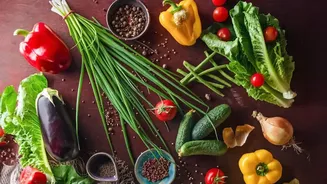
Monsoon is the season for a variety of gourds like lauki (bottle gourd), turai (ridge gourd), and karela (bitter gourd). Traditionally valued for being light and easy on the stomach, these vegetables are now appreciated for their broader health benefits. Bitter vegetables, in particular, are known to have antibacterial properties and can help keep infections at bay. The modern, healthy approach avoids heavy, oily curries. Instead, these gourds are being turned into light, steamed vegetable dishes, clear soups, and even baked chips as a healthy alternative to deep-fried snacks.
The Power of Warming Spices
Spices are the heart of Indian cooking, and their role becomes even more critical during the monsoon. Ginger, turmeric, black pepper, and cumin are not just flavour enhancers; they are potent digestive aids and immunity boosters. Ginger is known to relieve respiratory ailments, while turmeric's active compound, curcumin, has powerful anti-inflammatory and antibacterial properties. The healthy twist involves using these spices more consciously. Think beyond curries to warming herbal teas, 'kadha' (herbal decoctions), and adding them to smoothies and roasted vegetables to harness their full benefits.
Rethinking Lentils and Legumes
Dal is a constant in the Indian diet, but the choice of lentil matters during the monsoon. Lighter, easily digestible dals like moong dal are highly recommended. Khichdi, a simple one-pot meal of rice and moong dal, is considered an ideal monsoon food because it's nourishing without taxing the digestive system. Modern takes on this classic comfort food include adding more vegetables or using millets instead of rice to increase its nutritional value. Warm lentil soups, spiced with ginger and cumin, are another excellent way to enjoy legumes this season.