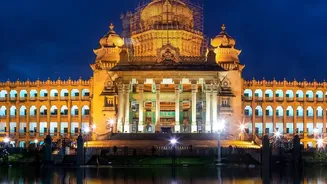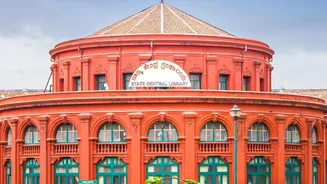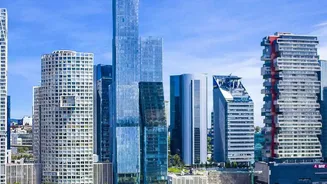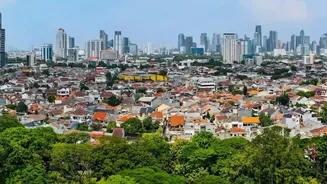






An Identity Under Threat
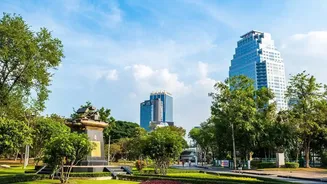
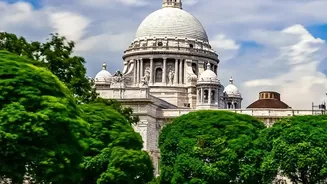
Bengaluru’s identity is deeply rooted in its lush, sprawling parks. Historic green lungs like Lalbagh and Cubbon Park are more than just recreational spots; they are cultural landmarks and ecological sanctuaries that have defined the city for generations.
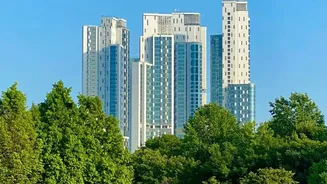
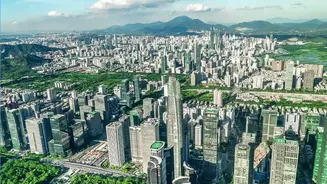
This reputation as the 'Garden City' has long been a source of pride and a major draw for residents. However, decades of explosive growth, transforming the city into a global tech hub, have put immense pressure on this green heritage. Unplanned urbanisation has led to a dramatic decline in vegetation. Some studies indicate that the city's green cover has plummeted to as low as 3% from nearly 70% five decades ago, while paved surfaces have increased by over 1000%. This stark transformation pits the city's past against its present, creating an identity crisis at the heart of its development.
Growth at What Cost?
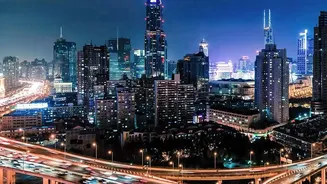
The primary threat to Bengaluru's parks comes from the very infrastructure projects designed to support its growth. Metro expansions, road-widening projects, and new real estate developments have consistently targeted green spaces as available land. Thousands of trees have been felled for projects like the Namma Metro. The conflict became alarmingly clear in August 2026 with a controversial amendment to the Karnataka Government Parks (Preservation) Act, 1975. This change allows up to 5% of a government park's area to be used for public infrastructure projects. While the government frames this as a necessary step for development, critics see it as a legal mechanism to dismantle protected green spaces piece by piece. The concern is that if 5% is acceptable today, there's no guarantee it won't be more tomorrow.
The Citizen Pushback
The government's moves have not gone unopposed. A vibrant and organised citizen-led movement has emerged as a powerful counterforce. In response to the amendment allowing 5% of parkland to be used for infrastructure, hundreds of citizens, environmental organisations, and civil society groups gathered at Lalbagh, forming a human chain with banners reading, “Not 5%. Not 1 inch. Leave our parks alone”. Groups like Greenpeace India and the Bengaluru Sustainability Forum have been vocal, demanding a complete withdrawal of the amendment. Their demands are clear: recognise parks as essential urban infrastructure, mandate transparent public consultations, and force infrastructure projects to first explore all alternatives before touching green spaces. This activism demonstrates a deep public commitment to preserving the city’s livability against development pressures.
The Economic Case for Green
The argument for preserving parks is not purely sentimental or environmental; it's also economic. Urban green spaces provide critical ecosystem services, such as reducing air pollution, mitigating the urban heat island effect, and helping with stormwater management. Studies show that parks in Bengaluru are significantly cooler than their concrete surroundings, providing natural air conditioning for entire neighbourhoods. These benefits have a direct economic value, from reduced healthcare costs to lower energy bills. Furthermore, a high quality of life, which includes access to green spaces, is a key factor in attracting and retaining the skilled talent that fuels the city's tech economy. Treating parks as liabilities or empty plots misses their function as critical assets that boost property values and support a healthy, productive workforce.
A Blueprint for a Greener Future?
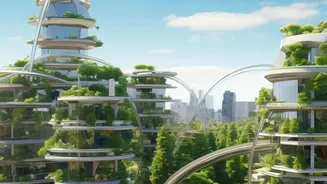
The path forward does not have to be a binary choice between development and conservation. Solutions exist to foster a more sustainable model of growth. Experts advocate for Blue-Green Infrastructure, which integrates water bodies and green spaces into urban planning from the outset, rather than as an afterthought. This includes everything from protecting and rejuvenating the city's many lakes to promoting vertical gardens and green roofs on buildings. Some initiatives are already underway, with plantation drives along metro corridors attempting to create green buffers against pollution. However, these efforts must be scaled up and supported by strong policies. The ultimate challenge is to shift the official mindset from viewing parks as expendable land to seeing them as non-negotiable, essential infrastructure for a resilient and livable city.