





Beyond the Guesswork
Staying properly hydrated is one of the most critical components of athletic performance and general wellness, yet it has always been a remarkably imprecise science for most people. The conventional wisdom to “drink when you’re thirsty” is often too little,
too late, as thirst is a sign that dehydration has already begun. Other methods, like monitoring urine colour, are subjective and can be influenced by diet and other factors. For serious athletes, a performance drop of just 2% can occur with minor dehydration. This has led to more advanced but cumbersome methods like weighing oneself before and after a workout. While better, this post-exercise analysis doesn’t help you adjust your strategy mid-session, when it matters most. This gap between needing precise data and relying on vague physiological cues is where wearable sweat sensors are making their mark.
How Sweat Sensors Work
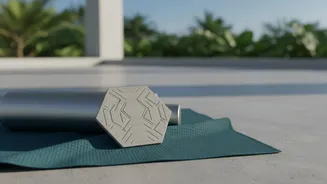
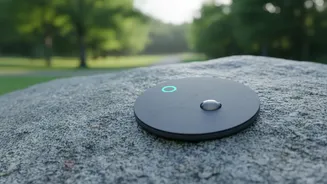
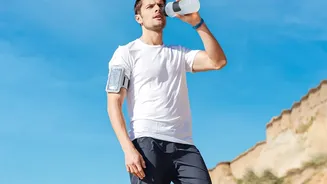
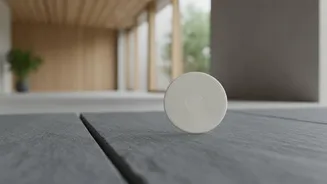
At a glance, these devices look like another piece of fitness tech, often designed to be worn on an armband or integrated with a heart rate monitor strap. But inside these small, lightweight sensors is a sophisticated system at work. Using principles of microfluidics and electrochemical analysis, they continuously collect and analyze tiny amounts of your sweat as you exercise. The technology captures key biomarkers directly from the skin without any invasive procedures. These sensors measure not only how much you're sweating (your sweat rate) but also what's in that sweat. The collected data is then processed by advanced algorithms, often factoring in environmental conditions and workout intensity, and sent wirelessly to a companion app on your smartphone or compatible fitness watch. This provides a live, dynamic picture of your body's hydration status.
More Than Just Water Loss
The true innovation of these sensors lies in the depth of the data they provide. They go far beyond simply measuring total fluid loss. A key metric is the analysis of electrolytes, particularly sodium. Sodium is crucial for nerve function and fluid balance, and losing too much through sweat without adequate replacement can lead to cramping, fatigue, or more serious conditions. Different athletes lose sodium at vastly different rates, making a one-size-fits-all sports drink ineffective for many. Sweat sensors provide a personalized look at your specific sodium loss, allowing for a tailored hydration and nutrition strategy. Some sensors can also measure other electrolytes like potassium. By tracking both fluid and electrolyte loss in real time, you can replace exactly what your body needs, when it needs it.
Who Are These Sensors For?
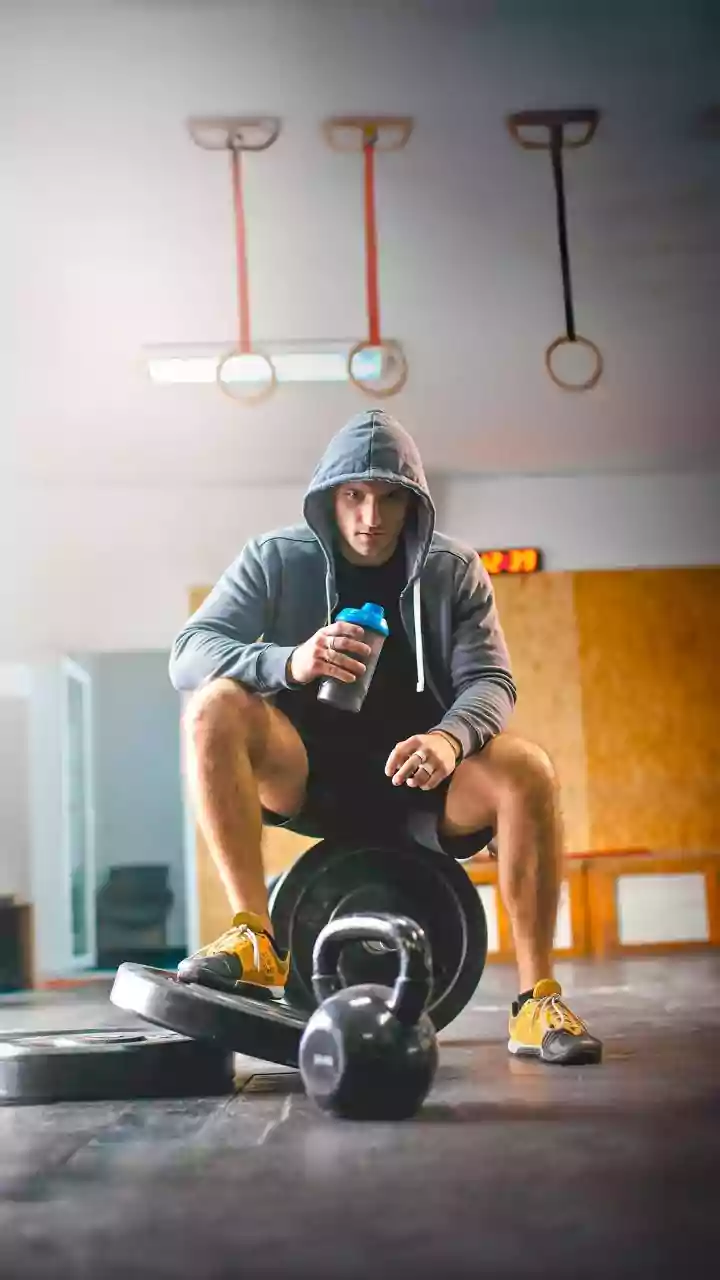
Initially, this level of granular data seems best suited for elite and professional athletes, where marginal gains can mean the difference between winning and losing. Triathletes, marathon runners, and cyclists who engage in long, strenuous events are prime users, as maintaining optimal hydration over many hours is paramount. However, the technology is becoming more accessible and beneficial for a wider audience. Serious amateur athletes and dedicated “weekend warriors” can use the insights to train smarter, improve race times, and enhance recovery. As the technology becomes more integrated and user-friendly, even casual fitness enthusiasts can benefit from understanding their personal hydration needs, turning a generic health guideline into a personalized, data-driven practice.
The Future of Personalised Fuelling
Wearable sweat sensors are part of a larger trend in health technology that is moving toward real-time, personalised biological data. Much like continuous glucose monitors have revolutionized diabetes management and are now being adopted by athletes for metabolic insights, sweat sensors are set to make personalised hydration a standard part of fitness. Future iterations will likely become smaller, more accurate, and integrated seamlessly into clothing or other wearables. They may also expand to monitor other biomarkers, offering insights into metabolic stress, muscle fatigue, and more. This shift represents a move away from reactive health management and toward a proactive, deeply personalized understanding of our bodies, helping us optimize not just our workouts, but our overall well-being.