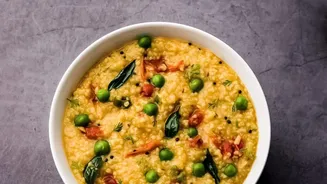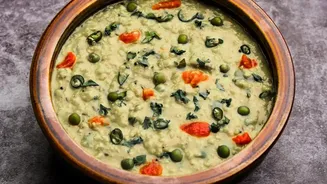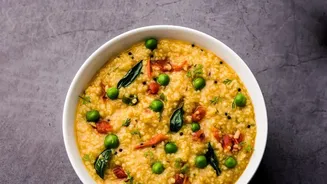


The Foundation: What Defines Each Dish?
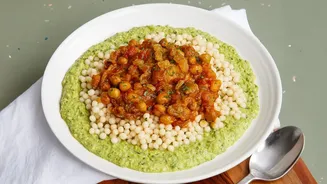
At a glance, both seem similar, but their core ingredients are fundamentally different. Dalia is made from cracked or broken wheat, a whole grain that retains its nutrient-rich bran and germ. It’s a versatile porridge that can be cooked sweet with milk
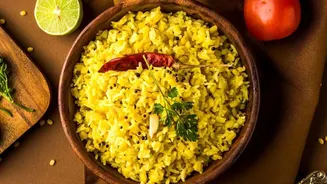
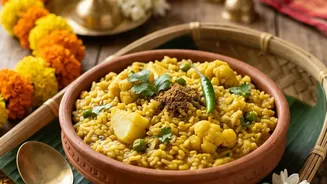
or savoury with vegetables. Khichdi, on the other hand, is a classic one-pot meal that combines rice and lentils, most commonly moong dal. This ancient dish, considered a staple across India, is cooked until soft and creamy, often seasoned with mild spices like turmeric.
The Role of Lentils: Khichdi's Protein Power
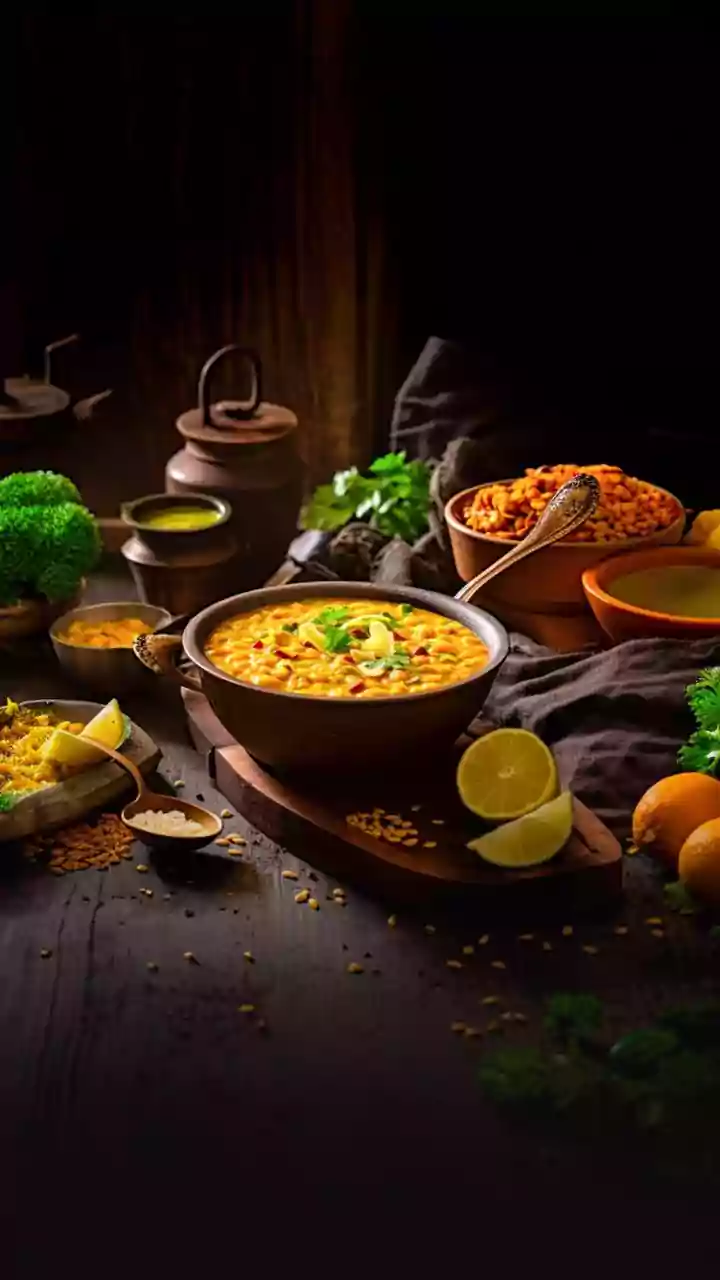
The defining feature of khichdi is its use of lentils. This isn't just for flavour; it's a nutritional masterstroke. Combining a cereal (rice) with a pulse (lentils) creates what is known as a 'complete protein'. This means the dish provides all nine essential amino acids that the body cannot produce on its own, which is crucial for muscle repair, growth, and overall bodily function. While dalia contains a respectable amount of protein from the wheat itself, it doesn't offer the complete amino acid profile that a traditional rice-and-dal khichdi does. The type of lentil can also change the nutritional value, with moong, masoor, and toor dal each adding different textures and minerals.
Nutritional Showdown: Fibre vs. Protein
When comparing the two, a clear distinction emerges. Dalia is the undisputed champion of dietary fibre. Made from whole wheat, it is packed with complex carbohydrates and fibre that promote a feeling of fullness, aid digestion, and help prevent constipation. This high fibre content makes dalia an excellent choice for weight management and for maintaining stable blood sugar levels, as it has a low glycemic index (GI). Khichdi's strength lies in its easy digestibility and balanced macronutrients. While it has less fibre than dalia (especially when made with white rice), it provides a gentle source of energy and that valuable complete protein. It is often the preferred meal during illness or for those with sensitive digestive systems for this very reason.
Preparation and Versatility
Both dishes are celebrated for their simplicity, but their preparation offers different possibilities. Dalia can be a quick breakfast porridge or a savoury upma-style dish loaded with vegetables. Its cooking time is relatively short. Khichdi is the ultimate one-pot meal. While a basic moong dal khichdi is simple, it can be endlessly customised. Adding various vegetables boosts its vitamin and mineral content, while different lentils can alter the protein profile. A tadka of ghee and spices not only adds immense flavour but also helps the body absorb fat-soluble vitamins. However, additions like ghee and a variety of vegetables can significantly alter the final calorie count for both dishes.
Which One Should You Choose?
The best choice really depends on your health goals. For sustained energy, blood sugar control, and weight management, dalia is often the superior option due to its high fibre content and low GI. It’s a great breakfast to keep you full until lunch. For a light, easily digestible meal that provides complete protein for muscle recovery, khichdi is ideal. It’s a perfect dinner or a comforting meal when you're feeling under the weather. For those who want the best of both worlds, a 'dalia khichdi', which combines broken wheat with lentils and vegetables, offers both high fibre and complete protein in one bowl.