







The Science of Monsoon Scalp Stress
To understand why your hair acts out during the monsoon, you need to look at your scalp. The constant high humidity in the air sends a signal to the sebaceous glands on your scalp to produce more oil. This excess sebum, combined with sweat and environmental
pollutants, creates a greasy, suffocating layer. This environment is the perfect breeding ground for microbes, particularly the fungus Malassezia, which is a primary culprit behind dandruff flare-ups. The result is a cascade of problems: an itchy, inflamed scalp, clogged hair follicles, a perpetually greasy feeling, and weakened hair roots that can lead to increased hair fall. It’s a cyclical problem where humidity triggers oil, which triggers fungal growth, leading to irritation and weaker hair.
What Exactly Is a Scalp Serum?
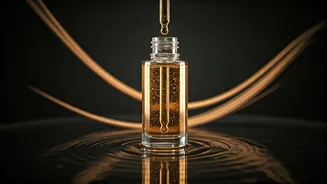
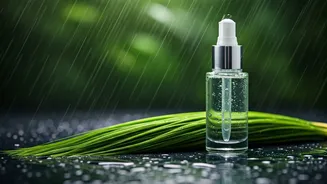
This is where the scalp serum comes in, and it's important to understand how it differs from other products. A hair serum is silicone-based and designed to coat your hair strands, providing shine and taming frizz temporarily. A hair oil is meant for deep conditioning, but can be too heavy for an already oily monsoon scalp. A scalp serum, however, is like skincare for your head. It’s typically a lightweight, water-based, or non-comedogenic liquid packed with a high concentration of active ingredients. Its small molecular structure allows it to penetrate the scalp's epidermis directly, delivering potent ingredients to tackle problems at the follicular level. Think of it less as a hair product and more as a targeted treatment for the skin on your head.
Your Scalp’s Best Defence Against Humidity
A well-formulated scalp serum is your most strategic weapon during this season. Its primary job is to restore balance. Ingredients in these serums work to regulate sebum production, so your scalp doesn’t feel like an oil slick by midday. By controlling oil, you’re also making the environment less hospitable for dandruff-causing fungi. Furthermore, many scalp serums contain powerful anti-inflammatory and antimicrobial ingredients that actively soothe the itching and irritation associated with monsoon dandruff. This calming effect reduces stress on the hair follicles. When your follicles are clear, balanced, and healthy, the hair they produce is stronger and more resilient, significantly cutting down on that dreaded seasonal hair shedding you see on your hairbrush.
Key Ingredients to Look For
When browsing for a scalp serum, the ingredient list is your best friend. Look for these monsoon-fighting heroes: * **Salicylic Acid:** This gentle exfoliant dissolves excess oil and breaks down dead skin cells, keeping your hair follicles from getting clogged. * **Tea Tree Oil or Zinc PCA:** Both are powerhouses for scalp health. Tea tree oil is naturally antifungal and antibacterial, directly combating dandruff, while Zinc PCA helps regulate sebum and reduce inflammation. * **Niacinamide:** A form of Vitamin B3, this multitasking ingredient improves the scalp’s barrier function, reduces inflammation, and helps control oil production. * **Hyaluronic Acid:** It might seem counterintuitive to add moisture, but this ingredient provides lightweight hydration directly to the skin, which can prevent your scalp from overcompensating by producing even more oil. * **Peptides and Biotin:** These are building blocks that nourish and strengthen the hair follicle itself, promoting healthier growth and anchoring the hair more firmly to reduce shedding.
How to Use It for Maximum Impact
Incorporating a scalp serum into your routine is simple and takes only a minute. The best time to apply it is on a clean scalp, either after washing when your hair is towel-dried, or on dry hair between washes. Use the dropper to apply the serum directly to your scalp, not your hair. Part your hair in a few sections and apply a few drops along each part line. Once applied, use your fingertips—not your nails—to gently massage it into your scalp for a minute or two. This not only ensures even distribution but also stimulates blood flow to the follicles. Most serums are leave-in treatments, so there's no need to rinse. Consistency is key; using it two to three times a week throughout the monsoon will yield the best results.