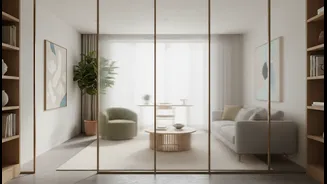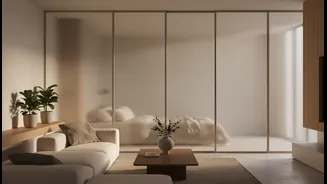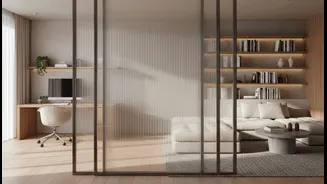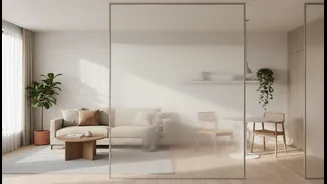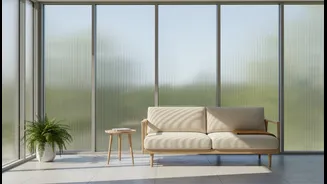




What is Fluted Glass?
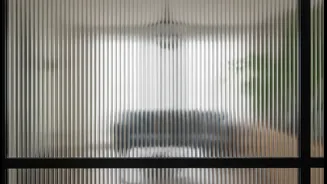
Fluted glass, also known as reeded or ribbed glass, is a decorative and architectural glass characterized by its vertical grooves. This textured surface is created by pressing the pattern into the glass during manufacturing. While its origins can be traced
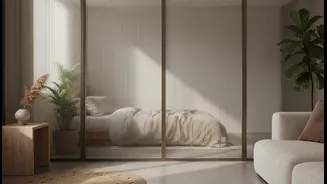
back to the Art Deco movement, it's experiencing a major resurgence in modern interior design. Its key appeal lies in its semi-transparent nature; it obscures direct views, offering privacy, while still allowing light to pass through and illuminate a space. This play of light and shadow adds depth, texture, and an elegant, sophisticated feel to any room.
The Perfect Solution for Small Spaces
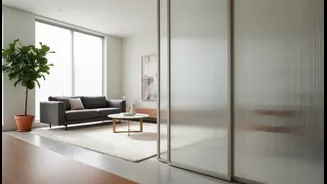
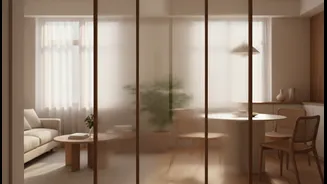
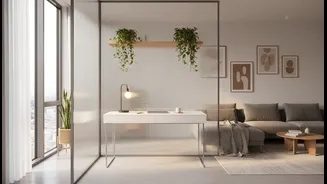
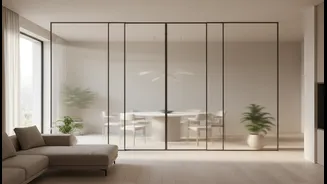
In compact Indian homes and city apartments where space is a premium, creating distinct zones without sacrificing an open feel is a common challenge. This is where fluted glass excels. Unlike a solid wall, a fluted glass partition can separate a living area from a home office or a bedroom from a dressing area without blocking precious natural light. The vertical lines of the flutes create a clever visual trick, drawing the eye upward and making a room appear taller and more spacious. It allows for functional division while maintaining a bright, airy atmosphere, which is crucial for making small homes feel larger and more inviting.
Rental-Friendly Ways to Use the Trend
For renters, making significant structural changes is often impossible. Fortunately, there are numerous non-permanent and rental-friendly ways to incorporate fluted glass. The most accessible option is a self-adhesive fluted glass film. This static cling film can be easily applied to any existing smooth glass surface—think windows, plain glass partitions, or even shower screens—to mimic the look of real fluted glass. Application is a simple DIY project involving cleaning the glass, spraying it with a water solution, applying the film, and smoothing out bubbles. It's completely removable without causing damage, making it a perfect temporary upgrade. Another great option is a freestanding fluted glass screen or room divider. These can be moved around as needed to create flexible zones and add a decorative focal point.
More Ideas for Your Home
Beyond partitions, fluted glass can elevate your home in other subtle but impactful ways. Consider using the film to update the doors of a plain cabinet or sideboard. This can hide clutter while adding a touch of vintage-inspired elegance to your storage. If you have a kitchen with glass-fronted cabinets, applying the film can offer a softer, more curated look by partially obscuring the contents. You can also introduce the texture through decorative items like vases, light fixtures, and tableware to bring a cohesive and stylish feel to your decor. These smaller touches can embrace the trend without any installation at all.
What to Consider Before You Start
While fluted glass film is a cost-effective and low-commitment option, there are a few things to keep in mind. When purchasing film, check the width of the flutes; wider grooves can create a more contemporary and less busy look. If you are considering real glass for a project, know that it comes in various thicknesses and can be toughened or laminated for safety, which is important for doors and shower screens. While easy to clean with a soft cloth, the grooves in real fluted glass can sometimes trap dust or water spots, requiring a bit more attention than a flat surface. For renters, always start with film or freestanding pieces to ensure you can take the style with you when you move.