






The Unforgiving Weather on Your Plate
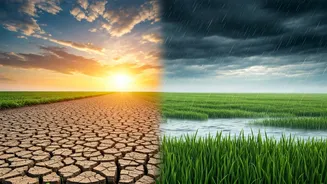
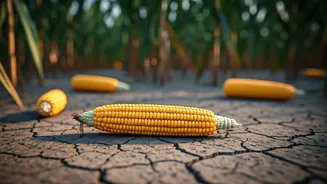
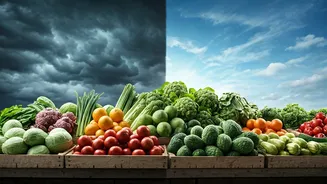
For millions of Indians, climate change has become a household budget crisis. The connection is simple but devastating: extreme weather events like heatwaves, erratic monsoons, and unseasonal rains are damaging crops and disrupting harvests across the country.
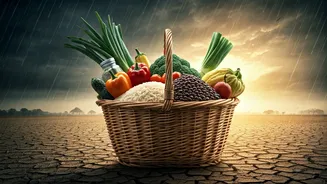
Food and beverages make up nearly half of India's Consumer Price Index, which means any climate-related shock to agriculture shows up almost immediately in what we pay at the local store. Economists now warn that the combination of intense heat and weaker monsoons is a major driver of food inflation.
Tomatoes and Onions Tell the Story
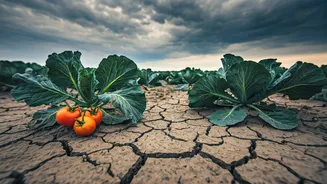
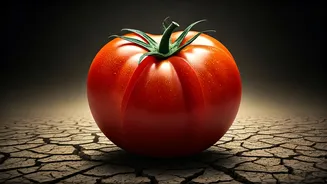
Consider the staples of Indian cooking: tomatoes, onions, and potatoes. These perishable crops are highly sensitive to weather volatility. Intense heatwaves, like those experienced across North India, have been shown to scorch crops, leading to lower yields and degraded quality. In May 2025, for instance, tomato prices doubled in cities like Delhi and Mumbai due to heat-related supply dips. Onions, another essential, have seen prices surge by 30-40% in similar conditions. It's not just heat; erratic rainfall is just as damaging. Heavy, unseasonal rains in key growing regions can wipe out entire fields, causing immediate supply shortages and price spikes that ripple from wholesale markets to your neighbourhood vendor.
A Disrupted Path from Farm to Fork
The problem extends beyond the fields. Extreme weather disrupts the entire food supply chain. High temperatures can cause produce to spoil during transportation, forcing trucks to travel only at night or in smaller volumes, which increases logistical costs. Floods from heavy monsoons can damage roads and delay the movement of staples, leading to temporary price hikes in urban centres. This entire chain reaction—from lower yields and transport bottlenecks to hoarding and speculation—ultimately lands on the consumer's plate as persistent and unpredictable food inflation.
The Broader Economic Picture
This isn't just a temporary problem. The increasing frequency of these climate shocks is reshaping India's inflation dynamics, turning what were once considered short-term supply issues into a more structural challenge. The Reserve Bank of India has repeatedly flagged abnormal weather as a risk to economic forecasts. India's agriculture is still heavily dependent on rain-fed farming, making it extremely vulnerable to weather disturbances. While India is investing more in climate adaptation, with spending in this area rising to 5.6% of GDP in FY22, the scale of the challenge remains immense.