

The Rise of the Micro-Kitchen
First, what exactly is a cloud kitchen? Also known as ghost or virtual kitchens, these are commercial cooking facilities that have no physical dining space and exist solely for delivery. The business model thrives on low overhead—no rent for a prime storefront,
no front-of-house staff—making it a cost-effective way to enter the competitive food market. A micro-cloud kitchen takes this concept a step further. It’s often a smaller, more focused operation, sometimes run by a single entrepreneur or a small self-help group, frequently starting with minimal capital. This lean structure has become an unlikely but powerful vehicle for culinary diversity, allowing chefs to experiment and reach a wide audience through partnerships with delivery aggregators.
Bridging the Culinary Divide
For decades, India's diverse indigenous cuisines—belonging to Adivasi and tribal communities—have remained largely invisible in the urban dining landscape. These food traditions, deeply connected to specific geographies and ecosystems, are often passed down orally and are rarely found in mainstream restaurants. Factors like migration to cities, changing lifestyles, and a disconnect from ancestral lands threaten the continuity of these culinary practices. The result is a gap in the market and a potential loss of cultural knowledge. People who move to cities for work or education often crave the nostalgic flavours of home, tastes that are hard to find and even harder to replicate authentically. This is the void that enterprising food entrepreneurs are now beginning to fill.
A Taste of Heritage, Delivered
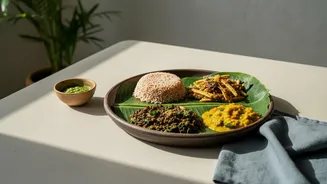
Across India's metros, small-scale cloud kitchens are becoming custodians of these unique food stories. Consider the possibility of a kitchen in Delhi specialising in the smoky, fermented flavours of Naga cuisine, or a delivery-only outlet in Bengaluru offering the earthy dishes of the Soliga people. These ventures are often started by community members themselves, who see a dual opportunity: to create a sustainable livelihood and to share their heritage with a new audience. By codifying recipes for a commercial menu, they are also creating a written record of their food culture, which helps in its preservation. Initiatives like 'Didi's Mealbox', run by women's self-help groups in several cities, train women from marginalised communities to operate their own cloud kitchens, turning home-cooking skills into viable businesses.
More Than Just a Business Model
The impact of this trend extends beyond the plate. For indigenous communities, it represents a form of economic self-empowerment and cultural assertion. By creating a market for traditional ingredients, these kitchens can support farmers and foragers back in their home regions. The model also fosters a sense of pride and helps challenge the homogenisation of food culture. As one expert notes, this is more than a trend; it's a movement towards recognising and celebrating India's micro-cuisines. Every order placed is not just a meal, but a validation of a culture, a story, and a flavour profile that has been sidelined for too long.
The Challenges on the Road Ahead
Despite the promise, the path for these micro-entrepreneurs is not easy. The challenges are significant and mirror those faced by many tribal enterprises. Access to capital remains a major hurdle, as does navigating the complex web of food licensing and regulations. Sourcing authentic, seasonal ingredients from remote areas can be a logistical nightmare. Furthermore, the digital marketplace is intensely competitive. Standing out on crowded delivery platforms, which often charge hefty commissions, requires marketing savvy and operational efficiency. Maintaining authenticity while catering to an urban palate that may be unfamiliar with certain tastes is another delicate balancing act these chefs must perform.