


The Rise of the Pan-India Spectacle
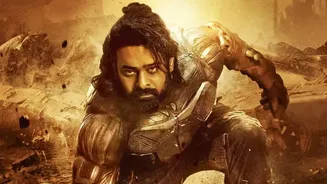
The list of India's biggest blockbusters is dominated by a specific breed of film: the large-scale, VFX-heavy event movie. Films like Baahubali 2: The Conclusion, RRR, and KGF: Chapter 2 have redefined what a hit looks like, shattering box office records
by offering an experience that feels larger than life. This isn't just cinema; it's a theatrical spectacle designed to be overwhelming. The strategy involves creating a movie so visually grand that it demands to be seen on the biggest screen possible. This trend has been particularly driven by southern Indian film industries, which have successfully created a new template for a national blockbuster, prompting Bollywood to follow suit. The pan-India film is released simultaneously in multiple languages, including Hindi, Tamil, Telugu, and Kannada, creating a unified national release instead of a staggered one.
From Regional Story to National Sensation
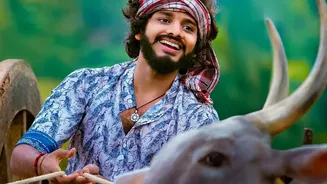
The success of pan-Indian cinema proves that audiences are more interested in compelling content than in a specific language. This shift was accelerated by the rise of streaming platforms, which made viewers comfortable with subtitles and exposed them to a wider variety of regional stories and actors. As a result, films rooted in regional culture, like Pushpa: The Rule and Kantara, have found massive audiences far beyond their home states. This phenomenon isn't just about dubbing a movie; it's about crafting stories with universal themes of heroism, justice, and identity that resonate across cultural and linguistic divides. The strategy often involves casting actors from different regions to create a built-in connection with diverse audience bases.
Mythology, Masculinity, and Modern Storytelling
Many of the most successful recent blockbusters tap into a deep well of Indian mythology and folklore. They present archetypal heroes and conflicts in a modern, high-octane format. While the stories may draw from tradition, the filmmaking is anything but. These movies often feature a brand of hyper-masculinity, with powerful male protagonists at the center of epic conflicts. This focus on raw, physical heroism has proven to be a language that connects with audiences on a primal level across the country. However, success isn't limited to just one genre. Post-pandemic, while spectacle films dominate the top spots, audiences have also shown a strong appetite for diverse content, including romantic films, period dramas, and even small-budget devotional films that find success through positive word-of-mouth.
The Evolving Nature of Stardom and Audience
While the era of the three Khans—Shah Rukh, Salman, and Aamir—is far from over, the landscape of stardom has changed. The pan-India wave has minted new national superstars like Prabhas, Allu Arjun, and Yash, whose appeal is no longer confined to a single region. At the same time, the audience itself has evolved. Younger viewers, particularly Gen Z, are now a critical demographic, driving opening day collections and influencing marketing strategies. This generation grew up with streaming and is fluent in cross-cultural content, making them receptive to the pan-India model. The theatrical experience remains a powerful draw, especially for event films, even as audiences have become accustomed to the convenience of OTT platforms.