



Planning Your Khasi Hills Adventure
The key to a successful budget trip to see the living root bridges is planning. The best time to visit is during the autumn and winter months, from October to April. During this period, the weather is pleasant, the trails are dry, and the skies are generally
clear, making trekking safer and more enjoyable. The monsoon season (June to September) brings heavy rains, which can make the stone steps dangerously slippery and the rivers swell. When packing, think light. You'll need comfortable hiking shoes, a daypack, a reusable water bottle, mosquito repellent, and layered clothing that you can adjust as you get warm during treks. Remember, you'll be carrying your world on your back, so every item counts.
Getting There on a Budget
Your journey to the root bridges will most likely begin in Guwahati, Assam, which has the best-connected airport and railway station in the region. From Guwahati, Shillong, the capital of Meghalaya, is a 3- to 4-hour drive away. The most economical option is to take a shared taxi or a state bus. Once in Shillong, you have a base to explore the wider East Khasi Hills. To reach the famous bridges, you'll need to travel to Cherrapunji (also known as Sohra). From Sohra, hire a local or shared taxi to Tyrna village, which is the starting point for the trek to Nongriat, home of the iconic double-decker bridge.
The Legendary Nongriat Trek
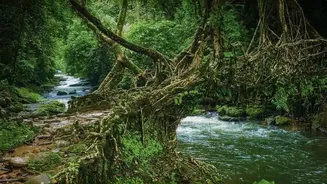
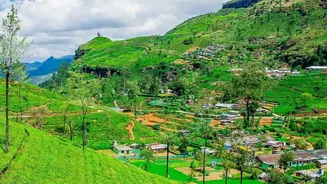
The trek to the Umshiang Double-Decker Living Root Bridge in Nongriat village is the main event for many visitors. Be prepared for a challenge: the journey involves descending (and later ascending) roughly 3,500 concrete steps. While physically demanding, the trek is a rewarding experience, taking you through lush forests, past small villages, and across swaying suspension bridges. The descent takes around two hours. Upon reaching Nongriat, you'll be greeted by the breathtaking sight of the two-tiered bridge, a testament to the ingenuity of the Khasi people who have guided tree roots over generations to form these structures. Many trekkers opt to stay overnight in Nongriat to rest and enjoy the nearby Rainbow Falls before tackling the steep climb back up the next day.
Beyond the Double-Decker
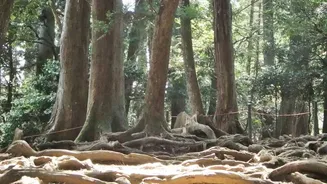
While the Nongriat bridge is the most famous, it is far from the only one. Meghalaya has more than 100 living root bridges scattered throughout its valleys. For a less crowded experience, consider visiting the single-level root bridge near Mawlynnong, often cited as 'Asia's Cleanest Village'. This bridge is much easier to access and requires only a short walk. Another significant site is near Pynursla, where you can find what is claimed to be the longest living root bridge. Hiring a local guide can help you discover some of the hidden, single-root bridges that most tourists miss, offering a more serene and personal experience.
The Homestay Experience
For backpackers, homestays are the best way to experience Meghalaya. They are not only budget-friendly but also offer an authentic cultural immersion. In villages like Nongriat and Mawlynnong, you'll find basic but clean homestays run by local families. Staying in a homestay allows you to enjoy fresh, home-cooked Khasi meals and interact directly with the community whose ancestors created these natural marvels. Expect simple amenities; you won't find Wi-Fi or luxury, but you will find warm hospitality. A night in a village homestay can cost as little as a few hundred rupees, making it a cornerstone of any budget trip to the region.