







Understanding the New Rules
The Food Safety and Standards Authority of India (FSSAI) has proposed new Maximum Residue Limits (MRLs) for two commonly used pesticides in tea cultivation: acetamiprid and imidacloprid. An MRL is the highest legally permissible concentration of a pesticide residue
in a food commodity. The draft regulations, published on October 16, 2026, set the limit for acetamiprid at 20 parts per million (ppm) and for imidacloprid at 50 ppm. Previously, the absence of specific limits meant that any detectable trace of these pesticides could lead to a batch being flagged as unsafe, creating significant uncertainty for growers and processors. These new rules are intended to provide a clear, scientific benchmark for safety and compliance across the industry.
The Push for Stricter Standards
This regulatory update is driven by two primary factors: harmonising with international standards and enhancing domestic consumer safety. Many of India's key export markets, particularly the European Union, enforce extremely stringent MRLs. Aligning Indian regulations is seen as a crucial step to maintain and expand access to these high-value markets. For instance, while the new proposed limit for acetamiprid is lower than in the US and Japan, the EU's limit is far stricter at 0.05 ppm for both pesticides. Domestically, there is a growing consumer awareness around food safety, pushing regulators to establish clearer and more robust standards for products consumed by millions daily. The FSSAI's move is part of a broader review of pesticide use, which has previously included delisting more toxic chemicals.
The Challenge for Growers
While the new limits provide much-needed regulatory clarity, they present significant challenges for India's tea growers, especially the smallholders who account for nearly half of the nation's tea production. For months, bought-leaf factories had threatened to stop accepting green leaves from small growers unless they were certified free of unauthorised pesticides, creating a crisis. The new, 'safer' pesticides that comply with stricter norms are often more expensive. Furthermore, small farmers may lack the financial resources and technical training needed to adopt new pest management protocols effectively. Industry associations have voiced concerns about the practicalities of implementation, calling for a phased rollout and government support to help growers transition without jeopardising their livelihoods.
A Double-Edged Sword for Exports
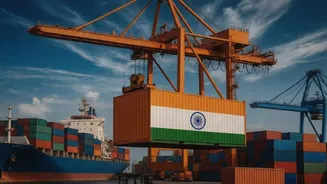
For Indian tea exporters, the revised MRLs are a classic double-edged sword. On one hand, meeting globally recognised standards can enhance the reputation and competitiveness of Indian tea, potentially unlocking new markets and commanding better prices. It signals a commitment to quality and safety that international buyers value. On the other hand, the immediate future is fraught with risk. If a large portion of growers are unable to comply quickly, it could lead to supply chain disruptions and a higher risk of export consignments being rejected. This is particularly true for trade with the EU, where standards remain exceptionally high. The industry must navigate the short-term pain of compliance to reap the potential long-term rewards of a more trusted and valuable export product.
The Path Forward: Adaptation and Support
The transition to these new standards will not be instantaneous. The draft regulations are open for stakeholder feedback for 60 days from their publication, allowing growers, industry bodies, and exporters to voice their opinions and suggestions. For the new rules to succeed without crippling the industry, a multi-pronged approach is necessary. This includes investing in more accessible and affordable testing laboratories, providing widespread training for small growers on alternative pest management practices, and potentially offering financial support to ease the transition. The success of this policy will depend on how effectively the government and industry stakeholders collaborate to balance the non-negotiable goal of food safety with the economic realities of tea cultivation in India.