



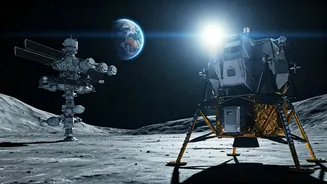


A New Space Race, For Profit and Progress
The 21st-century space race is less about geopolitical rivalry and more about commercial viability. The primary barrier to a bustling space economy has always been the staggering cost of reaching orbit. For most of history, rockets were single-use, an economic
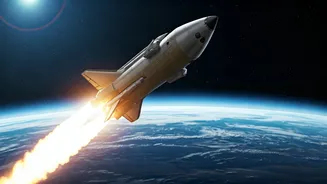
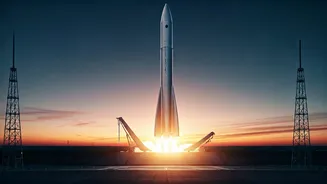
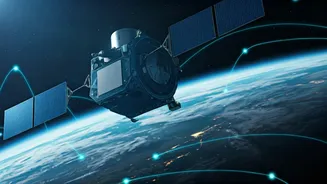
model akin to scrapping a jumbo jet after one flight. Companies like SpaceX and Blue Origin have shattered this paradigm with reusable rocket technology, drastically cutting the cost of launching payloads. This breakthrough has turned Low Earth Orbit (LEO) into a mature commercial zone. SpaceX now dominates the private launch market, while competitors like Blue Origin and Rocket Lab are expanding capabilities. This isn't just about launching things cheaply; it's about creating entirely new business models, from satellite internet constellations to commercial space stations intended to replace the aging ISS.
India's Private Sector Takes Flight
India's space story, long synonymous with the achievements of the Indian Space Research Organisation (ISRO), is entering a dynamic new chapter. A thriving private sector, virtually nonexistent just a few years ago, is now a crucial part of the nation's space ambitions. The establishment of the Indian National Space Promotion and Authorisation Centre (IN-SPACe) in 2020 was a pivotal moment, creating a single-window agency to facilitate and authorise private space activities. Startups like Skyroot Aerospace and Agnikul Cosmos are at the forefront of this wave. Skyroot recently became India's first space-tech unicorn and is poised to launch the nation's first privately developed orbital rocket, the Vikram-1. Agnikul has made strides with its fully 3D-printed rocket engines. These companies are no longer just suppliers to ISRO; they are developing full-stack capabilities and building an entire ecosystem. With policies enabling 100% FDI and a dedicated venture fund, India aims to grow its share of the global space economy from 2-3% to 8-10% by 2033.
Governments as Customers, Not Captains
As private companies step up, the role of government agencies is transforming from owner-operator to strategic partner and customer. NASA's Commercial Crew Program, which contracts with SpaceX and Boeing to transport astronauts to the ISS, is a prime example of this new hybrid model. This approach allows NASA to save resources and focus on fundamental science and deep-space exploration, which are often too long-term and uncertain for private investment alone. Recently, NASA announced a partnership with Relativity Space for a 2028 Mars mission, where the private firm will build, launch, and operate the spacecraft carrying NASA's scientific instruments. This model is seen as a force multiplier for science, enabling more frequent missions at a lower cost. The government's role is shifting towards setting ambitious goals, funding key research, providing regulatory oversight, and purchasing services from the most innovative and efficient provider.
Beyond Rockets: An Entirely New Economy
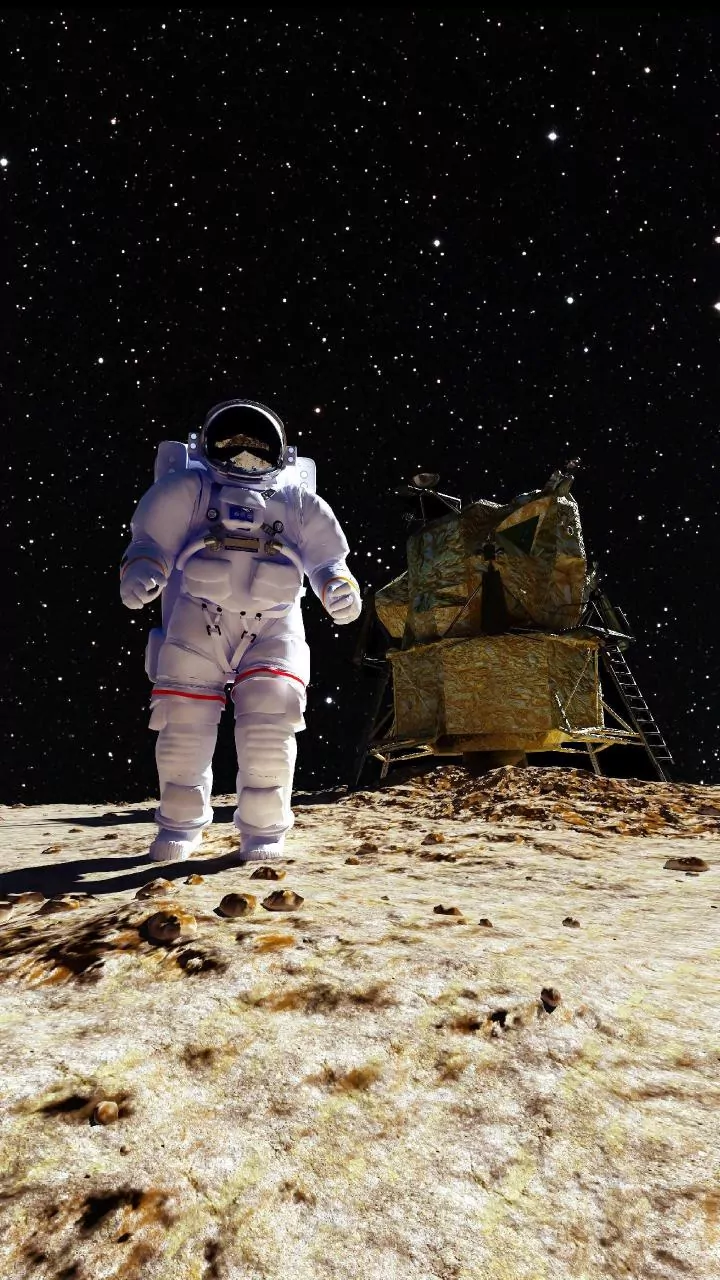
The innovation extends far beyond launch vehicles. The real value is shifting from one-off hardware sales to recurring services like connectivity, Earth observation, and data intelligence. An ecosystem of startups is emerging to build this new economy. India's Pixxel, for example, is developing hyperspectral imaging satellites and plans for orbital data centers. The falling cost of access is enabling ventures in in-space manufacturing, which could produce everything from pharmaceuticals to advanced materials in microgravity. Other ambitious goals include lunar resource extraction, with companies designing rovers to mine water ice at the Moon's poles, potentially creating a refueling station for deep-space missions. Commercial space stations from companies like Axiom Space and Starlab are expected to be operational before the ISS is deorbited around 2031, providing platforms for research, tourism, and manufacturing.
The Challenges Ahead: Debris and Regulation
This rapid commercial expansion is not without challenges. The growing congestion in Earth's orbit poses a significant threat. There are millions of pieces of space debris, and with plans to launch tens of thousands of new satellites, the risk of collisions is escalating. A catastrophic chain reaction, known as the Kessler Syndrome, could render certain orbits unusable. This has prompted regulators like the U.S. Federal Communications Commission (FCC) to implement stricter rules, such as requiring satellites to be deorbited within five years of their mission's end. However, these regulations are still in their early stages, and international coordination is difficult. The key issue of ownership of defunct satellites complicates active debris removal efforts, as one entity cannot legally remove another's property without consent. Striking a balance between fostering a competitive commercial market and ensuring the long-term sustainability of space will be a critical task for the coming decade.