


The Pre-Walk Preparation
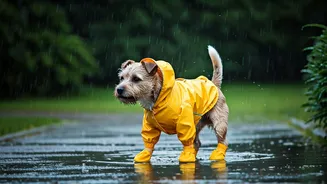
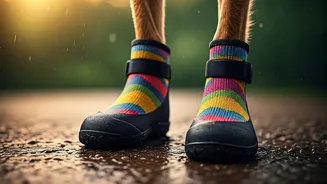
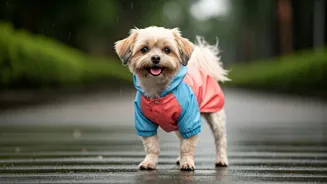
A good drying routine starts before you even step out the door. Investing in a quality, waterproof pet raincoat can make a world of difference. It keeps the majority of your pet's body dry, significantly cutting down on cleaning time later. For paws that
inevitably get muddy, waterproof boots can be a great solution, protecting sensitive pads from dirt and bacteria found in puddles. Having these items ready can transform your rainy-day walks from a messy chore into an enjoyable outing. Set up a designated “drying station” near your entryway to streamline the process when you return.
Mastering the Towel-Down
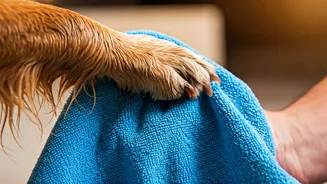
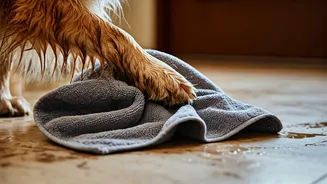
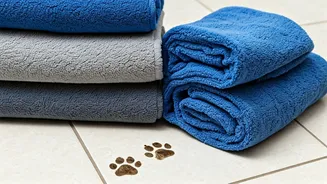
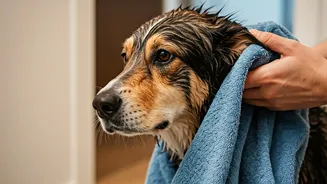
The moment you’re back inside is critical. The first line of defence is a thorough towel-dry. Experts recommend using super-absorbent microfiber towels, which soak up more water than standard bath towels. Instead of rubbing vigorously, which can cause tangles and matting in your pet's fur, gently press the towel against their coat to blot away moisture. Work systematically, starting with the paws and belly before moving up to the back and head. Keeping a stack of clean, dry towels near the door is a simple habit that pays off by preventing chills and keeping your home cleaner.
Advanced Tools for a Proper Dry
For pets with thick or long coats, a towel alone often isn’t enough. Trapped moisture is a primary driver of skin infections. This is where a pet-specific hair dryer can be invaluable. Unlike human hair dryers, these operate at lower temperatures and are designed for sensitive pet skin, using high-velocity air to blow water out of the coat. Always start on a low setting to acclimate your pet to the noise and sensation. Another excellent option is a dog drying coat or robe. These are made from highly absorbent materials and can be put on your pet after the initial towel-down, wicking away remaining moisture while they rest.
Health Watch: Preventing Monsoon Miseries
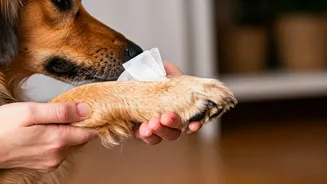
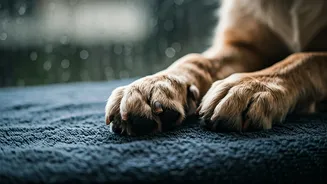
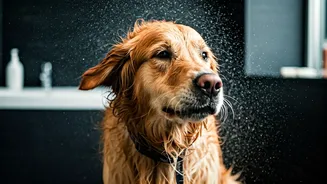
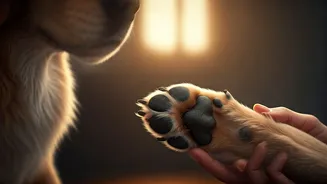
The damp, humid conditions of the monsoon create a perfect breeding ground for fungal and bacterial skin infections. That “wet dog” smell is often caused by bacteria thriving in damp fur. Constant moisture can lead to issues like hotspots (acute moist dermatitis), yeast infections, and pododermatitis (paw inflammation). After every walk, carefully inspect your pet's paws, paying close attention to the areas between the toes. Check their ears, belly, and any skin folds for redness, irritation, or an unusual odour. Regular grooming, including brushing to prevent mats that trap moisture, is crucial during this season.
Containing the Wet-Dog Chaos
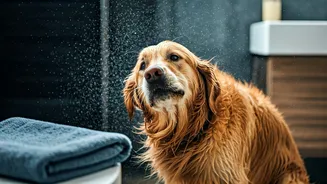
Keeping your pet dry is half the battle; the other half is protecting your home. An effective entryway strategy is key. Use highly absorbent mats both outside and inside the door to trap mud and water on contact. Designate a specific, easy-to-clean area, like a tiled mudroom or balcony, where you can complete your entire drying routine before letting your pet loose in the house. Regularly washing your pet’s bedding is also essential, as damp fabric can harbour bacteria and lead to skin irritations. Using pet-safe floor cleaners will ensure your home stays hygienic without exposing your furry friend to harsh chemicals.