


What Are Level Watering Trays?
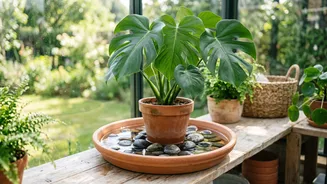
A level watering tray is essentially a shallow, waterproof basin used to water potted plants from the bottom up. This technique is often called 'bottom watering' or 'reverse watering'. The setup can be as simple as a durable plastic tray or a decorative
saucer large enough to hold several pots. More advanced versions incorporate capillary matting, an absorbent fabric that sits in the tray and acts like a wick, consistently drawing water from a reservoir to the base of the pots. The core principle is that the plants sit on a flat surface in or on top of a water source, allowing them to absorb moisture at their own pace. This method is popular in greenhouses for its efficiency and is easily adapted for home use.
The Science of Bottom Watering
Bottom watering relies on a natural force called capillary action. This is the same physical process that allows a paper towel to soak up a spill or a wick to draw fuel into a lamp. When the drainage holes of a plant pot are in contact with water, the soil and roots begin to pull the moisture upward, against gravity. The tiny spaces between soil particles act as narrow tubes, and the adhesive properties of water allow it to climb. This process continues until the soil is evenly saturated, from the bottom to the top. Because the plant's roots are actively drawing the water they need, this method ensures the entire root ball gets hydrated, preventing the dry pockets that can sometimes occur with top watering.
Key Benefits for Healthier Plants
Using a level tray system offers several distinct advantages for your houseplants. It encourages stronger, deeper root systems, as roots grow downward toward the consistent moisture source. This method also significantly reduces the risk of overwatering, as plants will only absorb what they need. By keeping the top layer of soil drier, you create a less hospitable environment for common pests like fungus gnats, which thrive in damp topsoil. Furthermore, keeping water off the foliage of sensitive plants, such as African violets or some begonias, helps prevent leaf spots and crown rot. For plant owners, it is a major time-saver, allowing you to water many plants simultaneously instead of one by one.
How to Use a Watering Tray System
Setting up a bottom watering system is straightforward. First, choose a waterproof tray that is perfectly level to ensure even water distribution. Place your plants, which must be in pots with drainage holes, into the tray. If using a capillary mat, place it in the tray first and saturate it with water. Then, add about an inch of water to the tray itself. Let the plants sit and absorb the water for 15 to 45 minutes, depending on the pot size and how dry the soil is. A good way to check if they are done is to touch the top layer of soil; once it feels moist, the plant has absorbed enough water. Remove the plants from the tray and allow any excess to drain before returning them to their decorative pots or display locations.
Common Mistakes and Considerations
While effective, bottom watering isn't foolproof. The most common mistake is leaving plants sitting in water for too long, which can lead to waterlogged soil and root rot—the very thing you're trying to avoid. It is also not a one-size-fits-all solution; succulents and cacti that prefer their soil to dry out completely may not thrive with this method. Another important consideration is the buildup of mineral salts from tap water and fertilisers. Since bottom watering doesn't flush the soil, these salts can accumulate over time. To prevent this, it's recommended to periodically water your plants from the top, about once a month, allowing water to run through the pot and flush out any excess minerals.