




Why a Dry Zone is Non-Negotiable
The single biggest threat during an indoor monsoon workout is moisture. Sweat, combined with high ambient humidity, can create dangerously slick surfaces on tile, wood, or even carpeted floors. A single slip during a lunge or a jump can lead to sprains,
strains, or more serious injuries. Beyond the immediate risk of falls, a damp environment is a breeding ground for bacteria and mould. Moisture that seeps into yoga mats, accumulates on flooring, or lingers in the air can compromise hygiene and lead to unpleasant odours and potential skin issues. Creating a designated dry zone around each exercise station ensures you have a stable, grippy surface to land on, push off from, and maintain proper form without the fear of slipping.
How to Create Your Safe Workout Space
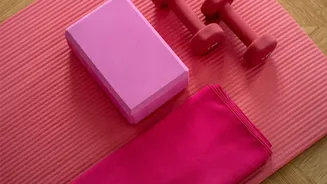
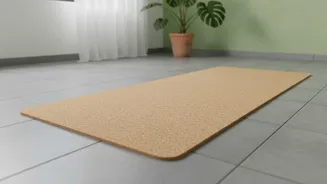
First, select a spot with good ventilation. A room where you can open a window or door will help manage humidity levels, which can spike dramatically during a workout. If natural airflow is limited, consider using a fan to keep air circulating. Next, define your workout area with a high-quality exercise mat. A thick yoga or workout mat provides a non-slip surface and essential cushioning. Ensure the mat itself is on a clean, dry floor. Keep a towel handy specifically for wiping down the mat and floor if sweat starts to pool. Finally, declutter the area. Remove any obstacles like shoes, books, or furniture that you could trip over, ensuring your dry zone is completely clear for movement.
The Best Exercises for a Confined Dry Zone
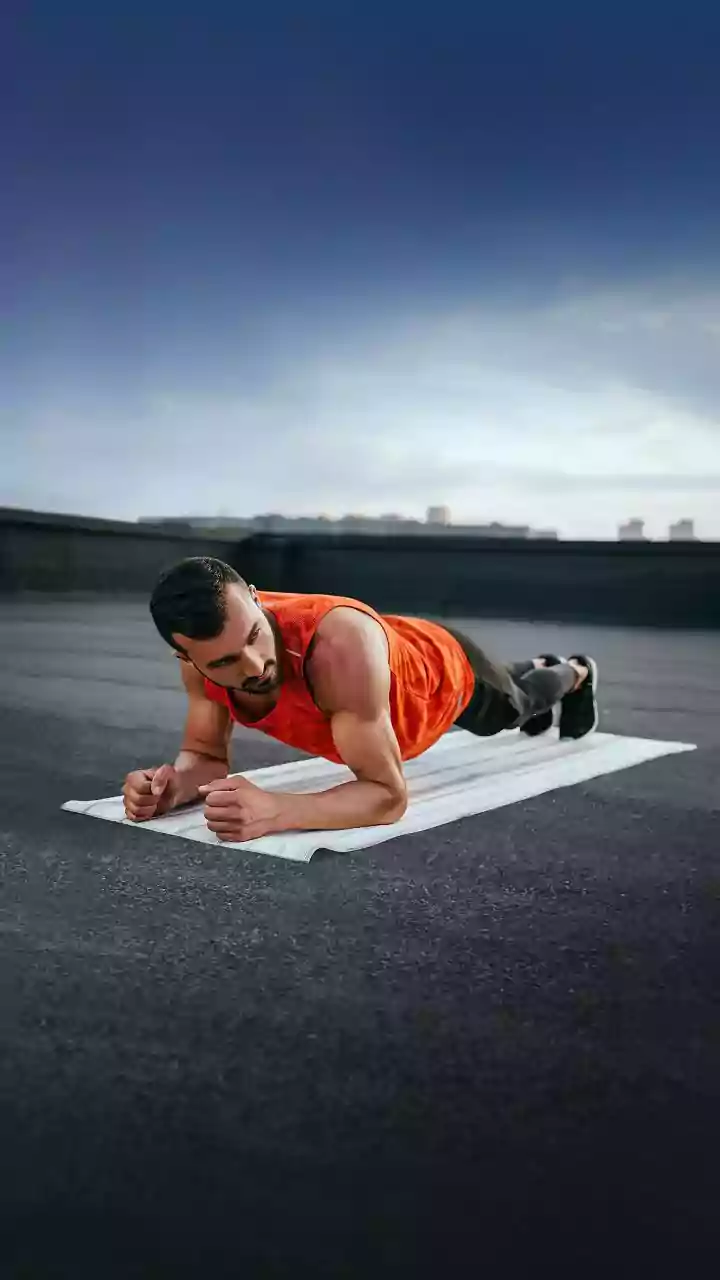
The best indoor monsoon exercises are those that deliver a great workout without requiring a lot of travel across the floor. This minimizes the risk of stepping off your mat onto a potentially damp spot. Bodyweight exercises are perfect for this. Movements like squats, push-ups, planks, and burpees can all be performed in one place. Yoga and Pilates are also excellent choices, as they build strength, flexibility, and balance within the contained space of a mat. For a cardiovascular challenge, consider stationary exercises like jumping jacks, high knees, spot jogging, or skipping with a jump rope. These activities raise your heart rate effectively without needing a large area to move around in.
Caring for Your Gear in High Humidity
High humidity is the enemy of fitness equipment. Sweat and moisture in the air can cause metal parts on dumbbells or resistance band clips to rust and can degrade the materials in your mats and bands over time. Make it a habit to wipe down all your equipment with a dry cloth after every single use. This includes mats, weights, and bands. Don't roll up your yoga mat immediately. Let it air out for a while to ensure it's completely dry before storing it, preventing mould growth. For home gyms in particularly humid spaces like garages or basements, investing in a dehumidifier can be a game-changer, protecting your equipment and making the environment more comfortable and hygienic.
Post-Workout Hygiene and Cooldown
Your safety routine doesn't end with the last repetition. The warm, damp conditions of the monsoon make post-workout hygiene even more critical. Change out of sweaty clothes immediately to prevent fungal or bacterial skin infections. When you've finished, take a few minutes for a proper cooldown with some gentle stretching. This helps your muscles recover and your heart rate return to normal. Ensure you properly clean and dry the space you used, wiping down the floor and any lingering moisture. Staying hydrated is also key, as your body can lose a lot of fluid through sweat even in a humid indoor environment where it doesn't evaporate as quickly.