



Millets are making a welcome return to Indian kitchens, celebrated for their nutrition and versatility. But with so many options, it's easy to get confused. This guide helps you choose the right millet for the right dish, making the switch simple.
For Rotis and Bhakris: Jowar and Bajra
When
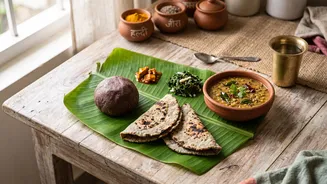
it comes to flatbreads, jowar (sorghum) and bajra (pearl millet) are the top choices. Jowar flour produces a mild-tasting, soft roti, making it an excellent starting point for beginners. It is a staple in states like Maharashtra and Karnataka. Bajra, popular in Rajasthan and Gujarat, has a bolder, earthier flavour and creates a denser, more rustic roti. It is known for its warming properties, making it a winter favourite. While both are great, jowar is generally considered easier to work with if you are new to millet flours.
For Dosas and Porridge: Ragi
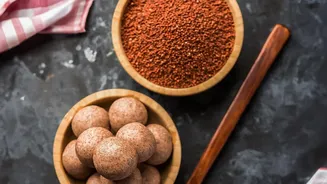
Ragi, or finger millet, is the star for South Indian classics like dosas and porridge. Its flour blends seamlessly into batters to create the dark, crispy dosas popular across the region. Rich in calcium, ragi has a distinctive earthy flavour. Besides dosas, it is famously used to make nutritious porridge (often called ragi malt or kanji), making it a popular choice for children and adults alike. Its versatility also extends to rotis and even baked goods like cookies and cakes.
For Rice-Style Dishes: Foxtail and Little Millet
If you want to substitute rice in dishes like pulao, lemon rice, or a simple side for dal, small millets are your best bet. Foxtail millet (known as kangni or thinai) is often recommended for beginners because its light, fluffy texture when cooked is very similar to rice. It works beautifully in upma, pongal, and other rice-based preparations. Little millet (kutki or samai) is another excellent choice. It cooks up soft and is great for dishes where you want a gentler texture, such as khichdi or pongal.
For Upma and Khichdi: Barnyard and Kodo Millet
Barnyard millet (sanwa or jhangora) is a fast-cooking grain that is light and easy to digest. It holds its texture well, making it a great choice for upma. This is also the traditional grain used during fasting periods like Navratri. Kodo millet (kodon or varagu) has a slightly firm texture that holds its shape well, making it ideal for one-pot meals like khichdi and pulao. Both these millets absorb flavours well, making them a perfect canvas for the spices in your favourite comfort meals.
Making the Switch Simple
Starting with millets doesn't require a complete pantry overhaul. The easiest way to begin is by picking one millet based on a dish you already love. If your family eats rotis daily, try starting with jowar flour. If breakfast is typically dosa or porridge, ragi is a natural fit. For those who love rice-based dishes, foxtail millet is a nearly seamless substitute. You can start by replacing a portion of your usual grain with a millet to get accustomed to the new taste and texture, gradually increasing the amount as you get more comfortable.