





From the Shaker to the Supermarket
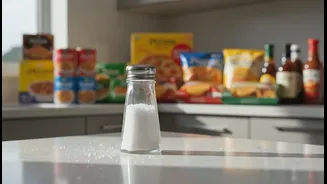
For generations, controlling salt intake meant one thing: using a lighter hand with the salt shaker at the dinner table. Today, that's only a tiny part of the story. The real challenge comes from the vast amounts of sodium hidden in processed and packaged
foods. In India, the average person consumes around 8 to 11 grams of salt daily, more than double the World Health Organization's recommended limit of 5 grams. Most of this doesn't come from home cooking. It’s found in everyday items like bread, biscuits, instant noodles, sauces, and ready-to-eat meals that fill our supermarket aisles and pantries. This shift has made managing salt less about a single action and more about developing a constant, background awareness of everything we eat.
The Hidden Salt in the Indian Diet
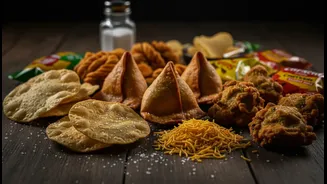
While we know that foods like chips and instant noodles are salty, many high-sodium culprits in the Indian diet are less obvious. Our beloved pickles (achar) and papads, for instance, are packed with salt used for preservation. A single tablespoon of mango pickle can contain nearly 400 mg of sodium. Store-bought chutneys, spice mixes like chaat masala, and even seemingly healthy items like packaged soups and bread are significant sources. A couple slices of standard white bread can have over 300 mg of sodium. Even restaurant food, from gravies to rotis brushed with salted butter, often contains far more salt than home-cooked equivalents to enhance flavour. This hidden sodium adds up quickly, pushing our daily intake into unhealthy territory without us even realising it.
Becoming a Sodium Detective
The first step to mastering salt awareness is learning to read nutrition labels. Don't just look at calories or fat; find the 'Sodium' line. A key skill is understanding serving sizes. A packet of chips might list 200 mg of sodium per serving, but if the packet contains three servings and you eat it all, you've consumed 600 mg. A simple rule of thumb is to check the Percent Daily Value (%DV). Anything with 5% DV or less of sodium per serving is considered low, while anything with 20% DV or more is high. Also, look at the ingredients list. If salt, sodium, or monosodium glutamate (MSG) is listed near the top, the product is likely high in sodium. Look for terms like 'low-sodium', 'reduced sodium', or 'no salt added' to make healthier choices.
Cooking and Eating with Less Salt
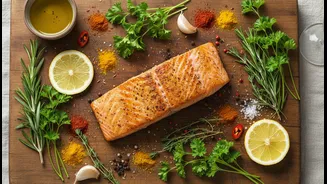
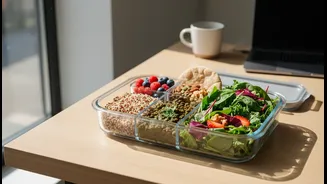
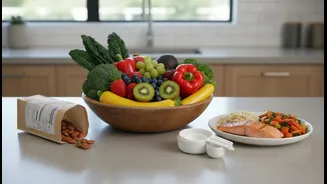
Reducing salt doesn't mean eating bland food. It’s about retraining your taste buds and getting creative with flavour. Start by gradually reducing the amount of salt you add during cooking. Your palate will adjust in a few weeks. Instead of salt, use other flavour enhancers. A squeeze of lemon or lime juice can brighten up vegetables and curries. Herbs and spices like ginger, garlic, turmeric, coriander, and black pepper add complexity and depth without any sodium. When eating out, don't be shy about asking for your meal to be prepared with less salt. At home, simple swaps can make a big difference. Rinse canned beans and vegetables to wash away excess salt. Choose unsalted snacks and flavour them yourself. Making your own chutneys and spice blends at home gives you complete control over the salt content.
The Health Payoff
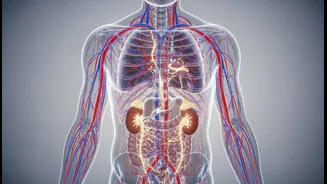
The benefits of reducing sodium are profound. High salt intake is a primary driver of high blood pressure, which in turn significantly increases the risk of heart disease, stroke, and kidney problems — some of the leading causes of death in India. When you eat too much salt, your body retains water to balance it, increasing blood volume and forcing your heart to work harder. Lowering your salt intake can help lower your blood pressure, reduce bloating, and decrease your risk for these serious chronic diseases. It is one of the most impactful changes you can make for your long-term health and well-being.