






Start with a Smart Budget
The first step to a stress-free celebration is creating a comprehensive budget. Before the festive spirit leads to impulse buys, take a moment to list all potential expenses. Break it down into key categories: the idol, decorations, puja essentials, food
and prasad, new clothes, and any miscellaneous costs like gifts or community contributions. Setting a clear spending limit for each category helps you stay in control and avoid financial regrets after the festivities are over. For a more disciplined approach, consider starting a dedicated festival fund months in advance. Setting aside a small amount each month can build a healthy corpus, ensuring you can celebrate freely without dipping into emergency savings or relying on credit.
Choose Your Idol Wisely
The Ganesha idol is the heart of the celebration, but its cost can vary dramatically. While large, ornate Plaster of Paris (PoP) idols are popular for their attractive designs and lower prices, they pose a significant environmental threat, choking water bodies after immersion. A growing and meaningful trend is the shift towards eco-friendly idols made from natural clay (shadu matti), which dissolve harmlessly in water. While clay idols may sometimes have a slightly higher upfront cost, they align beautifully with the festival's spirit of reverence for nature. Opting for a smaller, beautifully crafted clay idol is a wonderful way to be both budget-conscious and sustainable. You can even perform the immersion ceremony at home in a bucket, using the dissolved clay to nourish plants.
Dazzling Decorations on a Dime
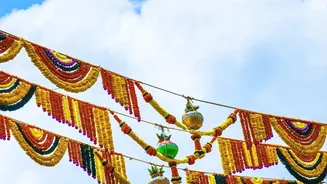
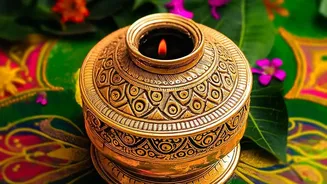
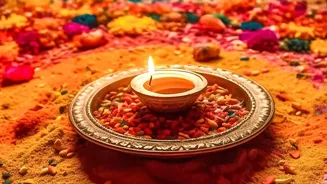
Decorations set the festive mood, but they don’t need to be expensive. One of the best ways to save is by embracing Do-It-Yourself (DIY) creativity. You can craft stunning backdrops and hangings using materials already at home, such as colourful paper, old sarees, or dupattas. Reusing lights, torans, and other decor from previous years is another simple yet effective cost-cutting strategy. For a fresh and traditional touch, use natural elements like flowers, mango leaves, and fruits, which are both affordable and biodegradable. Instead of buying new lighting, try painting earthen diyas or creating elegant lanterns from old jars to add a personal and charming glow to your celebrations.
The Festive Feast, Simplified
Food is a central part of any festival, from the daily prasad to feasts for visiting loved ones. To manage costs, plan your menu well in advance. This allows you to create a detailed shopping list and buy non-perishable groceries in bulk, which can lead to significant savings. Preparing traditional sweets like modak and laddoos at home is not only more budget-friendly than buying from stores, but it also adds a heartfelt touch to the offerings for Bappa and your guests. For larger gatherings with family and friends, consider organizing a potluck. This approach shares the culinary and financial load, turning the feast into a collaborative and joyous community effort.
Thoughtful Gifting and Gatherings
The essence of Ganesh Chaturthi lies in devotion and community, not in the price of gifts. Shift the focus from expensive material items to more thoughtful gestures. A box of homemade sweets, a personalised note, or a small, useful household item can be far more meaningful than a costly, generic present. For larger family gifts, consider pooling resources with siblings or relatives. When it comes to gatherings, remember that the goal is connection. An intimate dinner at home can be just as festive and memorable as a lavish party. Prioritising quality time and shared experiences over extravagant displays ensures your celebration is rich in spirit, regardless of the budget.