



From Aesthetic to Athletic
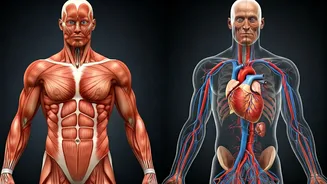
For decades, the dominant image of strength training was shaped by aesthetics. The goal, often implicitly, was to look strong rather than to be strong in a practical sense. This approach prioritized building highly visible "mirror muscles" through isolated
exercises like bicep curls and leg extensions. Success was measured by muscle size, symmetry, and what you saw in the mirror. While this style of training can certainly build muscle, it sometimes has a low carry-over to everyday life and can even create muscular imbalances. The focus was on sculpting a physique, which, while a valid goal, isn't the whole story of what strength can do for the human body.
The Shift to Functional Strength
The "practical era" is really a shift toward what experts call functional strength training. Instead of isolating muscles, this approach trains movement patterns that mimic daily life: pushing, pulling, hinging, squatting, and carrying. Think about lifting grocery bags, placing luggage in an overhead bin, or getting up from the floor. These are the real-world activities that functional training prepares you for. It’s about teaching your muscles to work together as a coordinated system, improving not just strength but also balance, stability, and mobility. The goal is to build a body that's capable, resilient, and less prone to injury during day-to-day tasks.
Training for Longevity, Not Just for Today
This new era is also deeply connected to the concept of "healthspan"—the number of years we live in good health, not just our total lifespan. Experts now recognize that preserving muscle mass is one of the most critical factors for healthy aging. Strength training is a powerful tool against sarcopenia, the natural age-related loss of muscle mass and strength that typically begins around age 30. By building a foundation of strength, you're investing in your future independence. This includes maintaining bone density to ward off osteoporosis, improving balance to prevent falls, and supporting metabolic health. Research shows that even 30-60 minutes of strength training a week can significantly lower the risk of all-cause mortality.
What Practical Training Looks Like
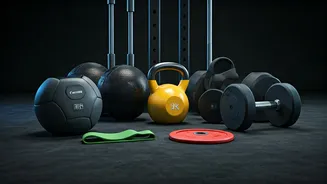
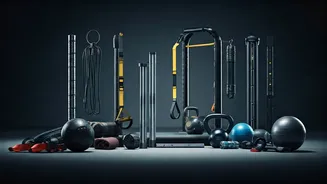
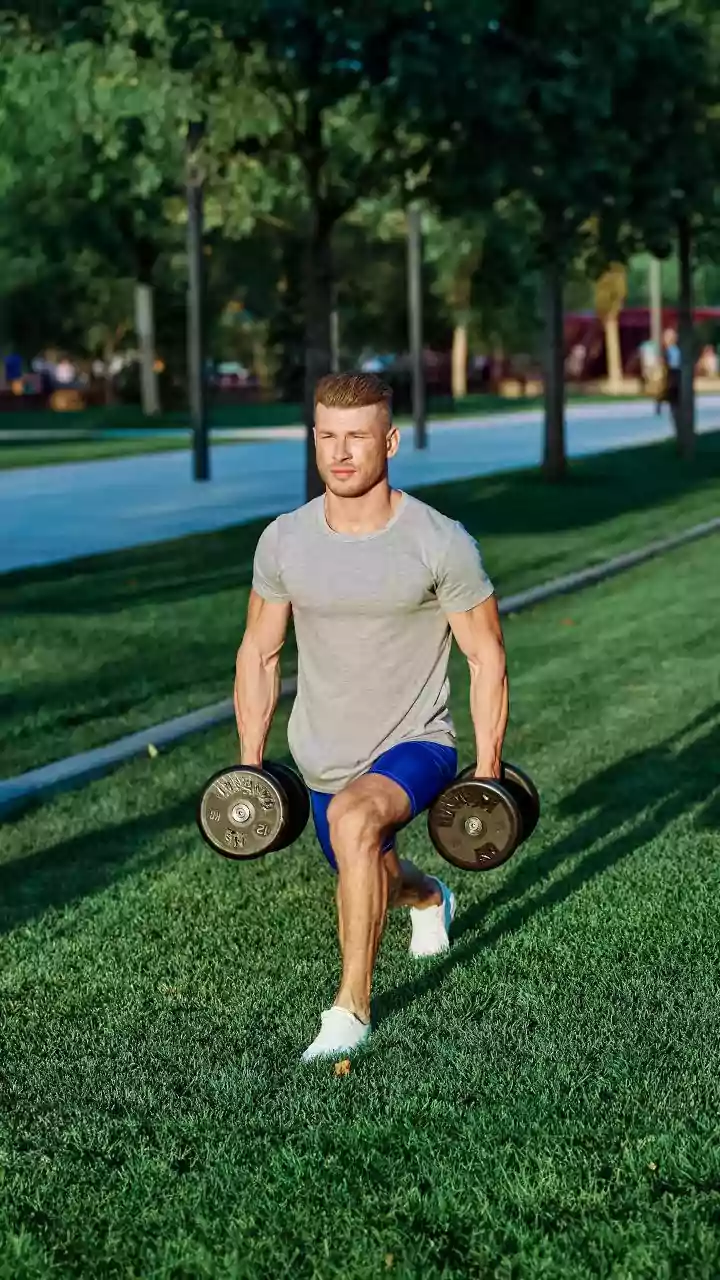
So what does a practical workout involve? It often features compound exercises that engage multiple joints and muscle groups at once. Forget spending hours on single-muscle machines. A functional routine might include exercises like goblet squats, which mimic sitting and standing; farmer's walks (carrying heavy weights in each hand), which build grip and core strength for carrying tasks; and deadlifts, which train the fundamental pattern of lifting a heavy object off the floor. Push-ups, rows, lunges, and planks are other staples. The emphasis is on quality of movement over sheer quantity of weight, ensuring your strength is usable, safe, and effective outside the gym walls.
Strength for Everyone
Perhaps the most significant aspect of this practical era is its inclusivity. The old model of strength training could feel intimidating and exclusive. The new focus on function makes it accessible to everyone, regardless of age or fitness level. After all, everyone needs to carry groceries, climb stairs, and move through life with confidence. The focus has moved away from punishing, high-intensity workouts and toward sustainable, smarter programming. It’s about building a stronger, more capable body that allows you to continue doing the things you love, whether that’s playing with your children, pursuing a sport, or simply navigating daily life with energy and without pain.