
A Return to Authenticity
In the fast-paced, digital world of today, there is a growing desire for homes that feel like a sanctuary. This has sparked a significant trend in Indian interior design: a return to earthy, natural materials. It’s a move away from mass-produced perfection
and towards textures that tell a story. This shift is driven by a desire for wellness, a connection to nature, and a renewed appreciation for India's rich heritage of craftsmanship. In cities where life is increasingly lived indoors, creating a calming, nature-inspired environment has become a priority for many. Designers are responding by creating spaces that are not just visually appealing, but also emotionally resonant, using materials that feel honest and authentic.
The Core Materials of the Moment
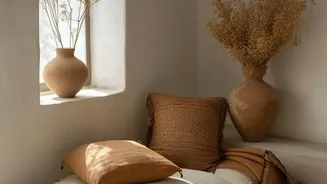
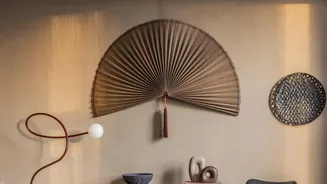
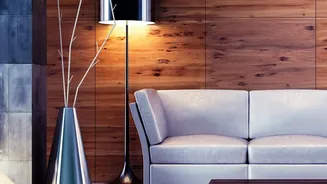
Several key materials are at the forefront of this movement. Terracotta and clay are making a major comeback, not just in pots but in flooring, accent walls, and decorative tiles, bringing a warm, sun-baked earthiness indoors. Rattan, cane, and jute are being used extensively for furniture, lighting, and rugs, adding a layer of lightweight, bohemian chic to modern rooms. These materials are loved for their sustainability and texture. Alongside them, natural woods with visible grains, local stones like Kota and Jaisalmer, and breathable fabrics like linen and organic cotton are being specified to create tactile, layered interiors.
More Than Just an Aesthetic
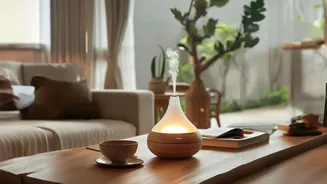
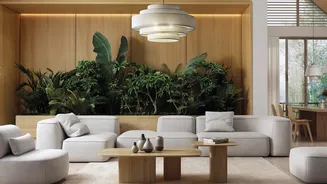
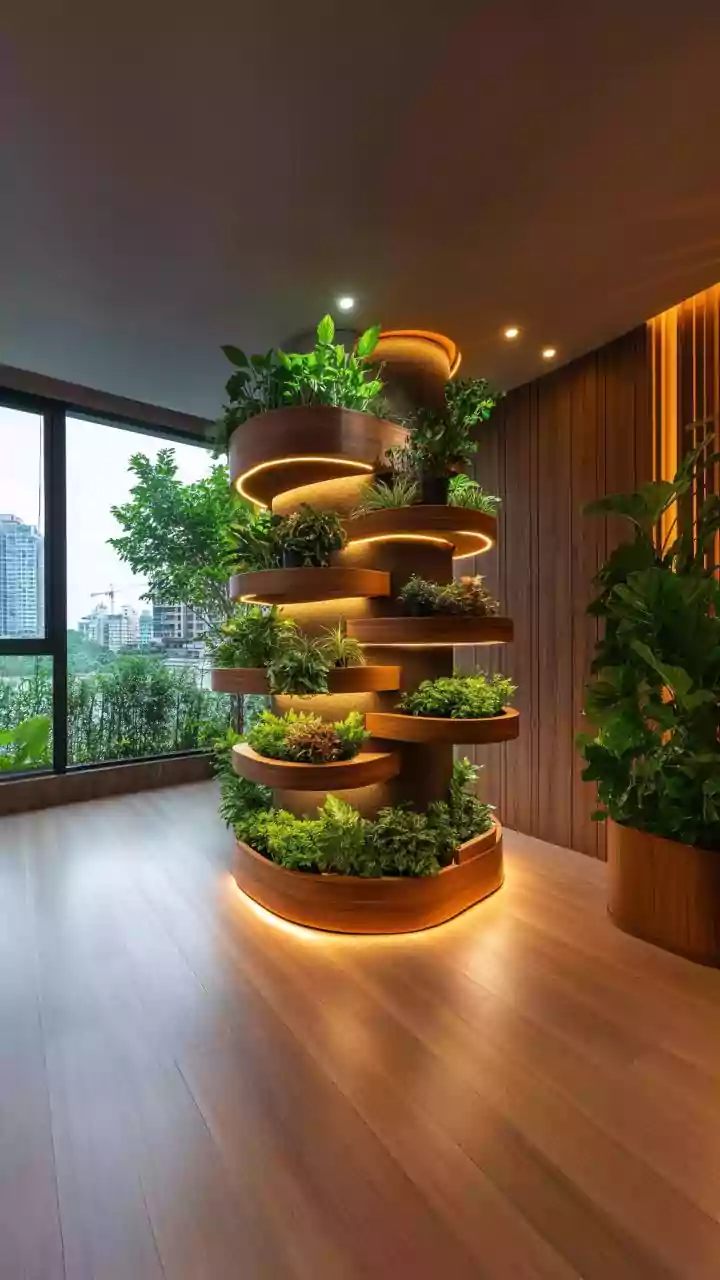
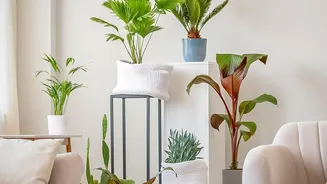
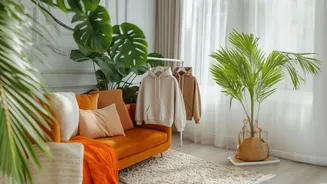
This trend is deeply connected to the principles of biophilic design, which is the idea that humans have an innate need to connect with nature. Incorporating natural elements into our homes has been shown to reduce stress and improve well-being. By using materials like wood, stone, and plants, designers are creating spaces that help regulate temperature, improve air quality, and provide a sensory connection to the outdoors. This approach is also inherently sustainable. The focus is on using locally available, renewable resources like bamboo and reclaimed wood, and celebrating handcrafted techniques that support artisan communities.
Modernising Traditional Craft
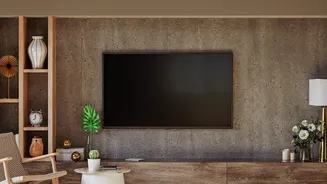
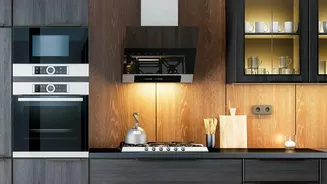
What makes this trend so compelling is that it’s not about recreating the past, but reinterpreting it for contemporary life. Traditional Indian architecture has always used natural materials and featured elements like courtyards and verandahs that blur the lines between inside and out. Today’s designers are taking that spirit and adapting it to modern apartments and villas. You might see a sleek, minimalist kitchen warmed by a reclaimed wood ceiling, or a contemporary living room featuring a statement armchair made of cane. It’s a fusion where the clean lines of modern design are balanced with the warmth and character of natural, handcrafted elements, resulting in spaces that feel both current and timeless.