





The New Petropolitans
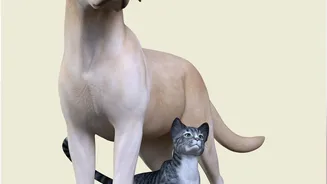
For years, the narrative of India's pet economy was anchored in cities like Mumbai, Delhi, and Bengaluru, where premium pet stores and grooming salons first took root. Today, however, the primary growth engines of this booming market are cities like Lucknow,
Jaipur, Coimbatore, and Chandigarh. Industry leaders have confirmed that these Tier-2 and Tier-3 cities have moved from being future prospects to current drivers of growth. This expansion reflects a broader trend of urbanisation and rising aspirations, where owning and pampering a pet is becoming an accessible lifestyle choice for a new generation of consumers outside the traditional metropolitan hubs.
What's Fuelling the Expansion?
Several socio-economic factors are powering this geographical diversification. A primary driver is rising disposable income, which allows households to spend more on high-quality products and services for their pets. This is coupled with a profound cultural shift: the 'humanization' of pets. An increasing number of Indians, particularly millennials and Gen Z in nuclear family structures, view their pets as integral family members, not just animals. This emotional connection fuels spending on premium nutrition, advanced healthcare, and wellness services. The post-pandemic era also sustained a surge in pet adoption, driven by a need for companionship, which has solidified the pet population growth across the country.
A Hybrid Retail Model Emerges
To tap into this burgeoning market, companies are adopting a dual approach combining physical retail with a robust digital presence. Premium omnichannel brands like Heads Up For Tails are expanding their network of physical experience centres and pet spas into dozens of cities, targeting areas with a high density of pet owners. Simultaneously, the e-commerce and quick-commerce sectors have become crucial. Digital-first platforms like Supertails are leveraging technology to offer everything from 30-minute delivery of pet supplies via dark stores to online veterinary consultations. This hybrid model ensures that consumers in emerging cities have access to the same wide array of products and international brands previously available only in major metros.
Beyond Food: A Holistic Ecosystem
The expansion is not limited to just pet food, which remains the largest segment of the market. There is a rapidly growing demand for a complete pet care ecosystem. This includes services like professional grooming, veterinary healthcare, diagnostics, and even pet insurance. Startups are building integrated platforms that combine retail with services, such as Supertails' plan to establish over 100 veterinary clinics alongside its dark store network. This signifies a maturing market where pet parents are seeking comprehensive solutions for their pets' well-being, from preventative healthcare and wellness products to specialised treatments and emergency services.
The Road Ahead: Challenges and Opportunities
Despite the rapid growth, penetrating Tier-2 and Tier-3 markets comes with challenges. Fragmented supply chains, last-mile delivery logistics, and the need to educate a large segment of first-time pet owners are significant hurdles. Affordability also remains a key factor that will determine how quickly organised players can displace the unorganised sector. However, the opportunity is immense. With India's pet population projected to grow significantly and market penetration for commercial pet food still relatively low compared to global standards, the potential for growth is substantial. This expansion is creating opportunities not only for large national chains but also for local entrepreneurs who can cater to regional needs and preferences.