



More Than Just a Salad Topping
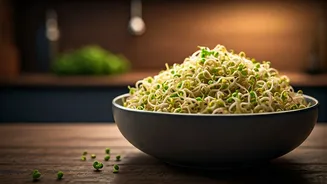
For years, sprouts have been a familiar sight in Indian kitchens, but often relegated to the sidelines. We’ve seen them as a crunchy, 'healthy' garnish on chaat or a bland, obligatory component of a raw salad. Eaten raw, they were praised for their nutrient
density but often criticised for their grassy taste and, for some, their tendency to cause digestive discomfort. The perception was that sprouts were something you *had* to eat for health, not something you’d choose to eat for pleasure. But that narrative is finally changing, as chefs and home cooks alike are discovering that a little heat can transform these humble seedlings into a delicious and versatile main ingredient.
The Undeniable Nutritional Punch
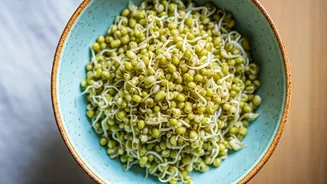
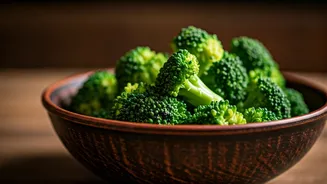
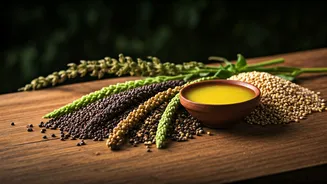
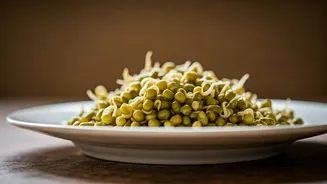
Let's first remember why sprouts earned their healthy reputation. Sprouting is the natural process of seeds germinating into young plants. This transformation unlocks a treasure trove of nutrients. Sprouts, such as those from moong beans, chickpeas, or broccoli seeds, are packed with vitamins C and K, folate, and manganese. The sprouting process also increases the bioavailability of proteins and dietary fibre while reducing anti-nutrients like phytic acid, which can interfere with the absorption of minerals like iron, zinc, and calcium. They are low in calories but high in enzymes and antioxidants, making them a true superfood for boosting immunity and overall health.
The Hidden Risk in Raw Sprouts
Despite their nutritional benefits, raw sprouts carry a significant and often overlooked risk. The warm, humid conditions required to grow sprouts are also the perfect breeding ground for harmful bacteria, including E. coli, Salmonella, and Listeria. The seeds themselves can be contaminated, and this bacteria can multiply rapidly during the sprouting process. Even homegrown sprouts are not immune. Health authorities worldwide, including the FSSAI, have issued advisories about the risks of consuming raw sprouts, especially for vulnerable populations like children, pregnant women, and the elderly. This food safety concern is the single biggest reason why switching from raw to cooked is not just a culinary choice, but a smart health decision.
Why Cooking Is the Superior Choice
Applying heat is the most effective way to eliminate these harmful pathogens, making cooked sprouts significantly safer to eat. But the benefits don’t stop at safety. Cooking also breaks down complex carbohydrates and tough plant fibres, making sprouts much easier to digest. For many people who experience bloating or gas after eating raw sprouts, a light sauté or steam can make all the difference, allowing them to enjoy the benefits without the discomfort. Furthermore, cooking softens their texture and mellows out any bitterness, making them far more palatable.
Unlocking Deeper, Richer Flavours
Perhaps the most exciting reason for the rise of cooked sprouts is the incredible improvement in taste. When you stir-fry or roast sprouts, you’re not just heating them; you’re transforming them. The heat kickstarts the Maillard reaction, a chemical process between amino acids and reducing sugars that creates deep, savoury, and complex flavours. Instead of a watery, raw crunch, you get a tender yet firm texture with a nutty, slightly sweet taste that pairs beautifully with Indian spices. A simple tadka of mustard seeds, cumin, and turmeric can turn a bowl of moong sprouts into a delicious side dish or sabzi.
But What About the Nutrients?
A common concern is that cooking destroys the delicate nutrients in sprouts. It's a valid question, but the reality is more nuanced. While some water-soluble vitamins, like Vitamin C, may be slightly reduced by prolonged, high-heat cooking, many other nutrients remain stable. In fact, cooking can sometimes make certain antioxidants, like the beta-carotene in moong sprouts, more available for your body to absorb. The key is to cook them lightly. A quick stir-fry for a few minutes, steaming until just tender, or blanching them in hot water is enough to ensure safety while preserving the vast majority of their nutritional goodness. The massive gain in safety and digestibility far outweighs any minimal nutrient loss.