





A Grand and Emotional Farewell
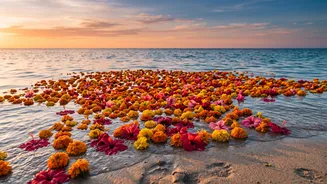
Ganesh Visarjan marks the conclusion of one of India's most vibrant festivals. After days of worship, families and communities bid adieu to the idol of Lord Ganesha, immersing it in a body of water. This ritual symbolises his return to his celestial abode,
taking with him the misfortunes of his devotees. The main immersion day, Anant Chaturdashi, falls on September 25 this year, concluding a festival period that began on September 14. While many households immerse their idols after one, three, five, or seven days, the grandest processions are saved for this final day.
Mumbai Braces for a Sea of Devotees
In Mumbai, the epicentre of Ganeshotsav, preparations are monumental. The city readies itself for millions of devotees who throng the streets to witness the processions of famous idols like Lalbaugcha Raja. The Brihanmumbai Municipal Corporation (BMC) has designated 67 natural immersion spots and set up 383 artificial ponds to manage the massive crowds and reduce environmental impact. Key routes, such as the path from Lalbaug to Girgaon Chowpatty, will see major traffic diversions. To ensure safety, the BMC has deployed lifeguards, installed observation towers, and arranged for cranes to help immerse the larger idols at popular sites like Girgaon Chowpatty and Juhu Beach.
Pune's Rhythmic Traditions
Pune, known for its deep-rooted cultural traditions, celebrates Visarjan with a unique blend of discipline and fervor. The city is famous for its 'Manache Ganpati', the five most honoured idols that lead the immersion procession. The streets echo with the powerful, synchronised beats of dhol-tasha pathaks (percussion troupes), which are a hallmark of Pune's celebrations. This year, there has been a surge in demand for these traditional troupes as more mandals opt for them over loud DJ music, reflecting a conscious return to heritage. The energy of the dhol-tasha groups, combined with chants and cultural performances, creates an electrifying atmosphere.
A Greener Goodbye
Across the country, there is a growing consciousness about the environmental impact of the festival. Cities like Hyderabad, Mumbai, and Kolhapur are actively promoting eco-friendly immersions. Municipal corporations are urging devotees to use artificial tanks and ponds to prevent pollution of natural water bodies like lakes and rivers. There is a strong push towards using idols made of natural clay (shadu mati) instead of Plaster of Paris, which is non-biodegradable. Citizens are also encouraged to remove plastic decorations and flowers before immersion, and to dispose of this 'nirmalya' (offerings) in designated collection bins provided by civic bodies.
The Flavours of Faith
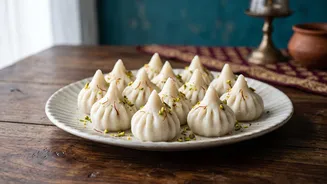
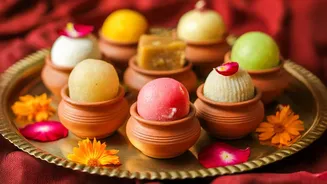
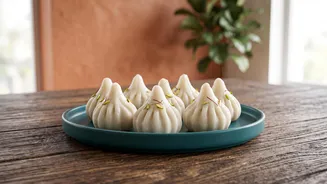
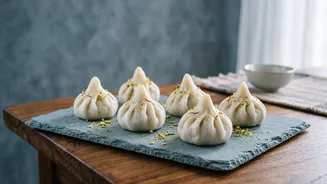
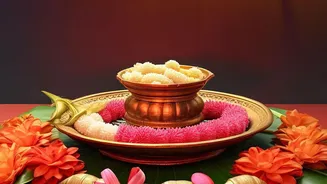
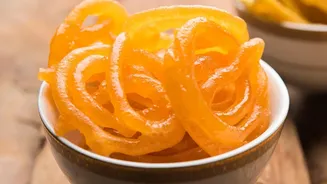
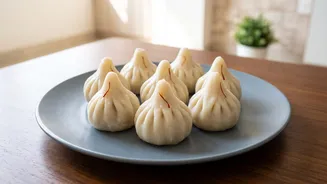
Food is an integral part of the farewell. Before the Visarjan, a final offering of 'naivedya' is made to Lord Ganesha. This typically includes a variety of traditional dishes cooked without onion or garlic. The star of the show is the modak, a sweet dumpling with a filling of coconut and jaggery, considered to be Ganesha's favourite. Other popular offerings include Puran Poli, a sweet flatbread stuffed with lentils and jaggery, and different kinds of ladoos. Savoury dishes like Varan Bhaat (dal and rice) and Batata Vangi Rassa (a potato and eggplant curry) are also prepared as part of the final feast for Bappa before his departure.