





Understanding Feline Friction
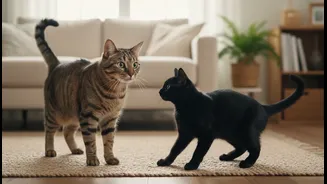
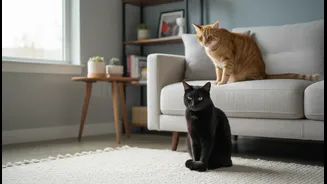
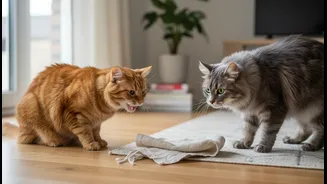
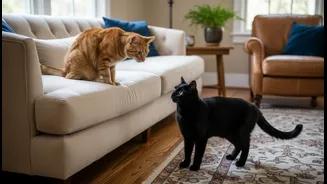
Cats are territorial by nature. When a new cat enters the home, a resident cat doesn't see a new friend; it sees an intruder in its established domain. This can lead to hissing, swatting, chasing, and hiding. This aggression isn't malicious—it's an instinctual
response to a perceived threat to their resources and security. The resulting tension can create a stressful environment for both the cats and their owners, but understanding the root cause is the first step toward a peaceful resolution.
The Feline World of Scent
For humans, the world is primarily understood through sight. For cats, it's a world of scent. They have an incredibly advanced sense of smell and a second scent-detecting organ in the roof of their mouth called the vomeronasal organ. Cats produce and deposit chemicals called pheromones from glands in their cheeks, chin, paws, and tail to communicate complex messages. They use these scents to mark territory, identify friends, and signal comfort and safety. When a cat rubs its face on you or the furniture, it's depositing its scent, claiming that space as safe and familiar.
What Exactly is Scent Swapping?
Scent swapping is the gradual and controlled introduction of one cat's smell to another before they ever meet face-to-face. The goal is to make the new cat's scent familiar and non-threatening to the resident cat, and vice-versa. By associating the other cat's smell with positive or neutral experiences, you begin to build a foundation of acceptance. This technique essentially pre-authorizes the new cat as part of the 'group scent' of the household, short-circuiting the immediate territorial panic that a surprise encounter would cause.
A Practical Guide to Scent Swapping
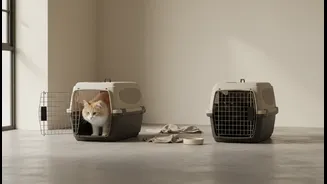
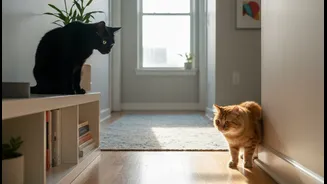
To begin, the new cat must be isolated in a separate room with its own food, water, and litter box. After a day or two of settling in, you can start scent swapping. Take a clean, soft cloth or a sock and gently rub it on one cat's cheeks and head to collect their pheromones. Then, place that cloth in the other cat's space for them to investigate on their own terms. Do the same for the other cat. You can also swap bedding or soft toys. Another key step is 'site swapping': letting the new cat explore the main house while the resident cat is secured in the new cat's room, allowing them to experience the other's scent throughout the territory.
Building Positive Associations
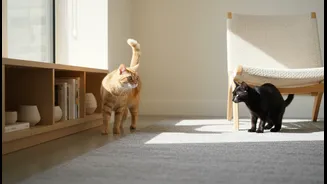
As you swap scents, look for signs of acceptance, such as sniffing the scented item calmly or ignoring it. If a cat hisses or avoids the item, just leave it and try again later, perhaps associating it with a treat. A powerful way to reinforce the process is to feed the cats on opposite sides of the closed door separating them. This helps them associate the other cat's scent and presence with something positive—food. Gradually move the bowls closer to the door as they become more comfortable. Patience is essential; this process can take days or even weeks depending on the cats' individual personalities.