


A Pattern of Risky Behaviour
Trekking in the formidable mountains of Nepal is a serious undertaking, yet a growing number of incidents suggest some visitors are arriving unprepared. According to reports from Kathmandu-based publications and trekking operators, there has been a noticeable
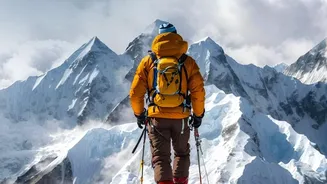
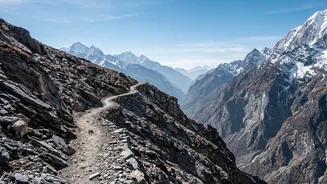
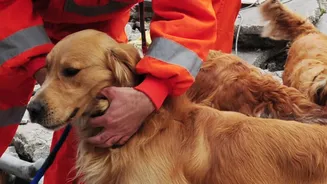
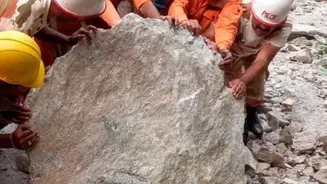
uptick in emergency evacuations, particularly involving trekkers who venture out with inadequate gear, no guide, and a poor understanding of the risks of high-altitude trekking. These incidents often involve symptoms of Acute Mountain Sickness (AMS), exhaustion, or becoming lost after straying from established trails. While this issue is not exclusive to any single nationality, the sheer volume of Indian tourists, who enjoy easy access to Nepal, has brought them into focus. Local officials have expressed concern that some trekkers are treating challenging routes like casual hikes, putting themselves and rescue teams in jeopardy.
The High Cost of a Helicopter Ride
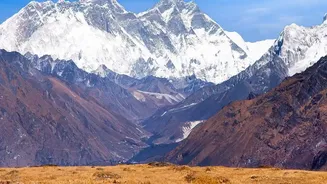
A helicopter evacuation in the Everest or Annapurna regions is not a simple affair. It is a logistically complex and expensive operation, often costing thousands of dollars per flight. These rescues are carried out by private helicopter companies, and the costs are typically borne by the trekker's travel insurance. However, the increasing frequency of these flights is straining resources and raising alarms within Nepal's tourism industry. Industry insiders worry about the sustainability of this model, where rescues are becoming a routine part of the trekking experience rather than a last resort. There is also the human element; pilots and rescue teams risk their own lives flying in treacherous mountain weather to extract stranded individuals. This has led to a broader conversation about accountability and the need to deter reckless behaviour that necessitates such interventions.
New Rules Already in Place
In response to a rising number of trekkers going missing, the Nepal Tourism Board implemented a significant policy change in recent years. As of April 2023, solo trekking has been banned for most foreign visitors across all of Nepal's national parks. Trekkers are now required to hire a licensed guide, a move that was designed to enhance safety and create more employment for local guides. This rule ensures that every group has an experienced professional who understands the terrain, can spot early signs of altitude sickness, and knows the proper emergency protocols. While this regulation has been in effect for some time, reports suggest that some trekkers may still be attempting to bypass it by hiring unlicensed guides or venturing into restricted areas on their own, contributing to the very problems the rule was meant to solve.
What Might 'Penalties' Mean?
The discussion around penalties is still in its early stages and appears to be driven more by industry frustration than formal government proposals at this stage. According to commentary from leaders within local trekking agencies, these penalties could take several forms. One suggestion involves blacklisting individuals who are found to have acted with gross negligence, preventing them from obtaining future trekking permits. Another idea being floated is the imposition of heavy fines on those who violate fundamental rules, such as trekking without a permit or a licensed guide. The goal would not be to punish those who have genuine accidents, but to create a strong deterrent against wilful carelessness. For now, these remain talking points within the industry, but they signal a significant shift in attitude towards irresponsible tourism.
How to Trek Smart and Safe
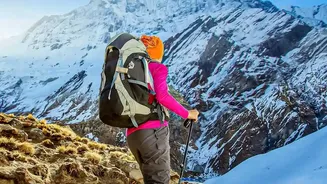
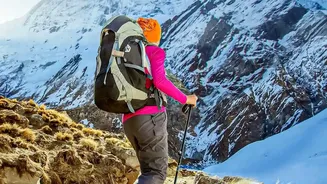
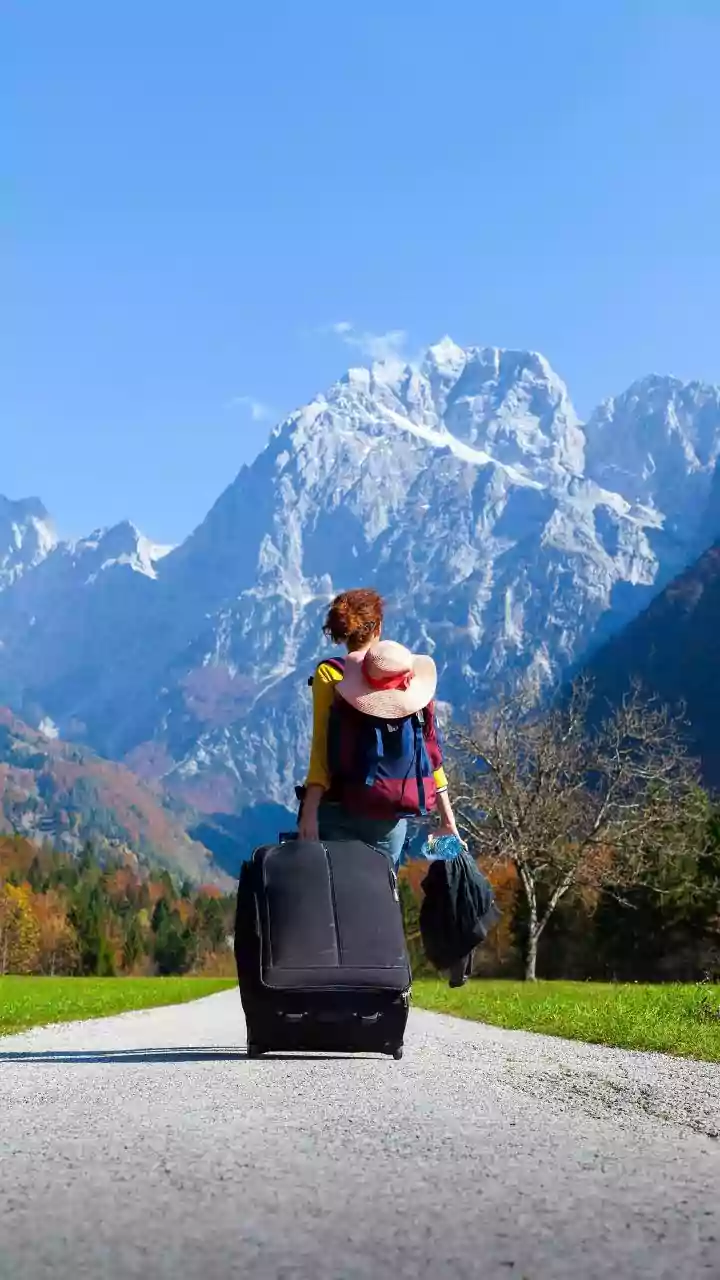
For the thousands of Indian trekkers who plan to visit Nepal, this news should serve as a crucial reminder to prioritise safety. The first step is to treat the Himalayas with respect. This means investing in proper trekking gear, including layered clothing, sturdy boots, and a comprehensive first-aid kit. Physical preparation is also key; being in good cardiovascular shape can make a significant difference at high altitudes. Most importantly, always trek with a registered agency and a licensed guide. A good guide is not just a navigator but a cultural interpreter and a lifeline. Ensure you have comprehensive travel insurance that specifically covers helicopter evacuation up to 6,000 meters. Finally, listen to your body. Acclimatise properly by building rest days into your itinerary and descend immediately if you experience severe symptoms of AMS.