



The Awkward Robot Problem
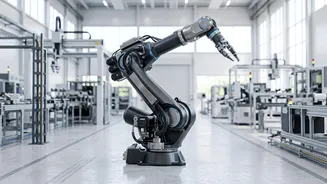
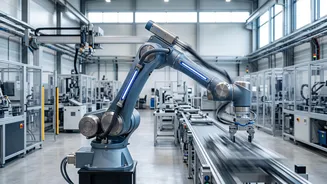
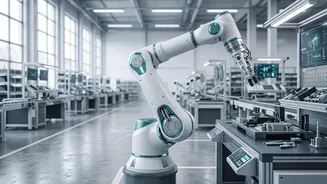
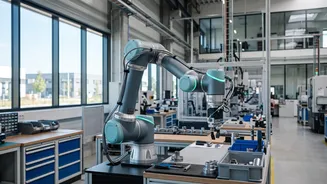
Think of a factory robot. It's incredibly strong, fast, and precise, perfectly executing the same task millions of times. But ask it to pick up a soft fruit, plug in a flimsy cable, or handle an object it has never seen before, and it will likely fail.
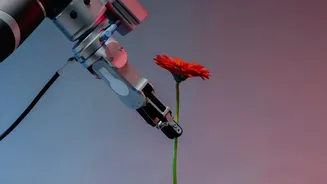
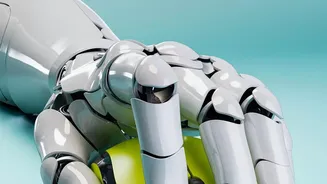
This is the dexterity dilemma in robotics. While humans can effortlessly adjust their grip to hold an egg, a brick, or a set of keys, traditional robots lack this nuanced sense of touch and adaptability. They operate on pre-programmed paths, making them brilliant for repetitive, structured tasks but clumsy and ineffective in dynamic, unpredictable environments. This limitation has kept automation out of countless industries where tasks require a delicate touch, from packing fresh produce to assembling complex electronics.
Enter Eka Robotics
A Cambridge, Massachusetts-based startup named Eka Robotics has emerged from stealth with a bold mission: to give robots the 'feel' they've been missing. Founded by MIT professor Pulkit Agrawal and former Google DeepMind researcher Tuomas Haarnoja, the company is tackling the 'last millimeter' problem of physical interaction. Eka believes the secret isn't just better vision, but a deeper understanding of physics. Their recent announcement of a $150 million Series A funding round, co-led by Andreessen Horowitz (a16z), has valued the company at a staggering $1.45 billion, signalling massive industry confidence in their approach.
It's All About Force
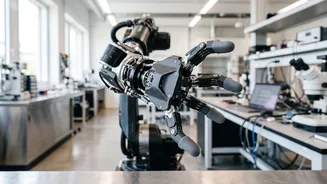
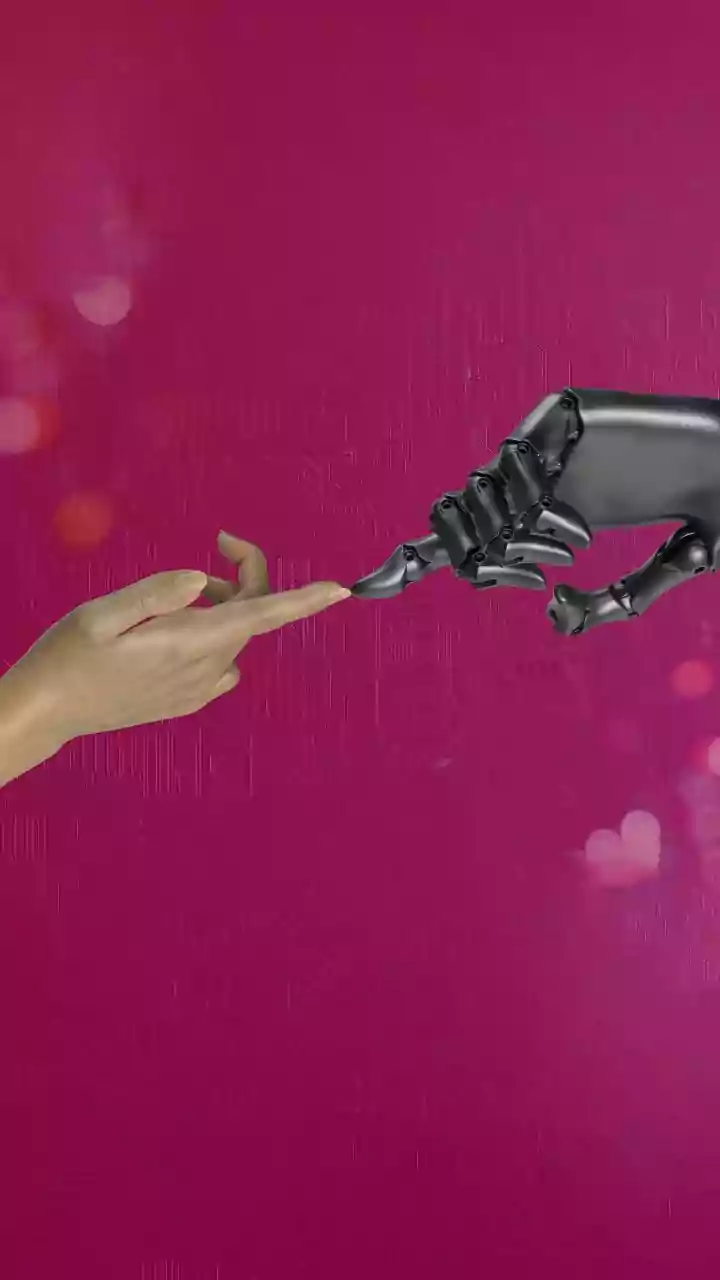
Eka's breakthrough is a system it calls a Vision-Force-Action (VFA) model. While many robotics companies focus on 'Vision-Language-Action' models, teaching robots to respond to visual cues and verbal commands, Eka argues that force is the true native language of the physical world. Their approach combines data from cameras with sensory feedback from custom-built grippers that have a sophisticated sense of touch. This allows the robot to feel if an object is slipping, how much pressure to apply, and how to adjust its grip in real-time, much like a person does instinctively. Instead of just mimicking human actions, Eka's robots learn by running through thousands of hours of physics-based simulations, building an intuition for how mass, friction, and inertia work.
Beyond Pick-and-Place
The ability to 'feel' and adapt unlocks a vast range of possibilities. Eka has demonstrated its robots handling tasks once considered impossible for automation, such as screwing in a lightbulb, handling delicate food items like raspberries and chicken nuggets, and inserting wires into connectors. The company reports its system can pick up around 1,500 unfamiliar objects per hour, more than double the rate of a human worker. This could revolutionize logistics and e-commerce fulfillment, where sorting a wide variety of items is a major bottleneck. But the applications extend further, into manufacturing for tasks like assembling servers, and potentially into healthcare for assistive roles or even delicate procedures.
The Road to a Dexterous Future
Despite the impressive demonstrations and significant funding, the path forward for Eka Robotics involves scaling up and proving its technology in messy, real-world industrial settings. The challenge is to move from a controlled lab environment to reliable, 24/7 operation on a factory floor. Competition in the 'physical AI' space is also heating up, with other startups and established tech giants all racing to crack the code of dexterity. However, by focusing on the fundamental physics of touch, Eka is not just teaching a robot to perform a task; it's teaching it to understand its physical environment. This shift in approach may well be the key that finally allows robots to step out of their cages and work alongside us with skill, safety, and a surprisingly human-like touch.