


The Protein Puzzle: Understanding Amino Acids
Protein is essential for repairing and building muscle tissue after a workout, a process known as muscle protein synthesis. But it's not just about the quantity of protein; the quality matters immensely. Proteins are made of building blocks called amino
acids. There are nine 'essential' amino acids that our bodies cannot produce, so we must get them from food. Animal products typically contain all nine, making them 'complete' proteins. Most plant foods, however, are 'incomplete', meaning they are low in one or more of these essential amino acids. This is where strategic food combining becomes a game-changer for plant-based strength.
A Perfect Pair: Why Grains and Pulses Work Together
The magic of combining whole grains and pulses lies in their complementary amino acid profiles. Whole grains like wheat, rice, and millets are generally low in the essential amino acid lysine. Pulses—which include lentils (dals), chickpeas (chana), and beans (rajma)—are typically rich in lysine but low in another essential amino acid, methionine. When you eat them together, they fill in each other's nutritional gaps. The lysine from the pulses compensates for the lack in the grains, and the methionine from the grains balances out the pulses. This combination creates a high-quality, complete protein profile that gives your muscles all the essential building blocks they need to grow.
Powerful Pulses for Your Plate
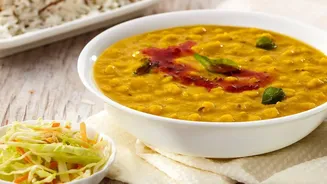
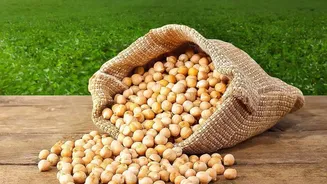
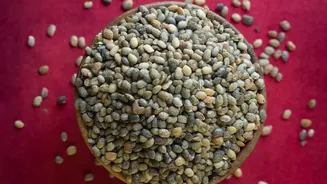
Pulses are a cornerstone of Indian cuisine and a fantastic source of plant-based protein. They are not only protein-rich but also packed with fibre, which aids digestion and promotes satiety. Excellent choices include lentils like moong, masoor, and toor dal, which are staples in any dal preparation. Chickpeas (chana) and kidney beans (rajma) are other robust options that are versatile and nutrient-dense. Sprouted pulses are also a great way to increase nutrient absorption and protein content. Incorporating a variety of these into your meals ensures a steady supply of lysine and other crucial nutrients.
Essential Whole Grains to Complete the Meal
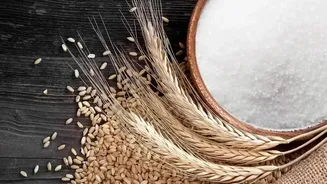
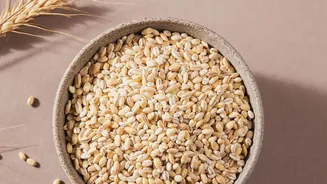
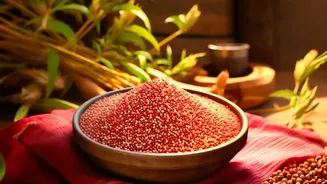
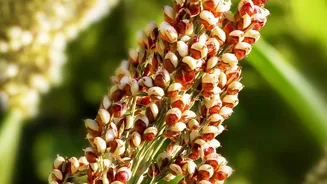
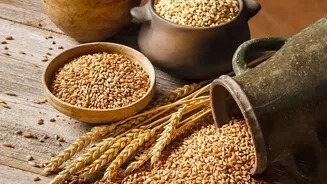
Whole grains provide the necessary carbohydrates for energy during intense workouts and are also a source of protein and fibre. Brown rice is a classic pairing for dals and curries. Whole wheat, in the form of rotis or chapatis, is another excellent way to complement a pulse-based dish. Millets such as jowar (sorghum) and bajra (pearl millet) are ancient grains making a comeback for their resilience and nutritional benefits, pairing perfectly with dal. Quinoa, while technically a seed, is often used as a grain and is one of the few plant foods that is a complete protein on its own.
Smart Meal Combos for Muscle Growth
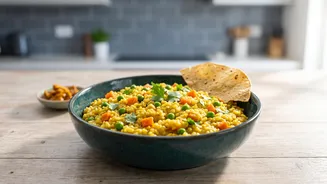
The great news is that many traditional Indian meals are naturally designed around this protein-combining principle. Think of classics like Dal and Rice, Rajma Chawal, or Chana with Roti—these aren't just comfort foods; they are nutritionally complete meals perfect for muscle recovery. For breakfast, a Moong Dal Chilla or a bowl of oatmeal topped with nuts and seeds works well. A lunch of Quinoa Khichdi provides a modern, high-protein twist. You don't necessarily need to eat them in the exact same meal; your body can pool amino acids over the course of a day. As long as your daily diet includes a mix of both food groups, you're on the right track.
How Much Protein Do You Need?
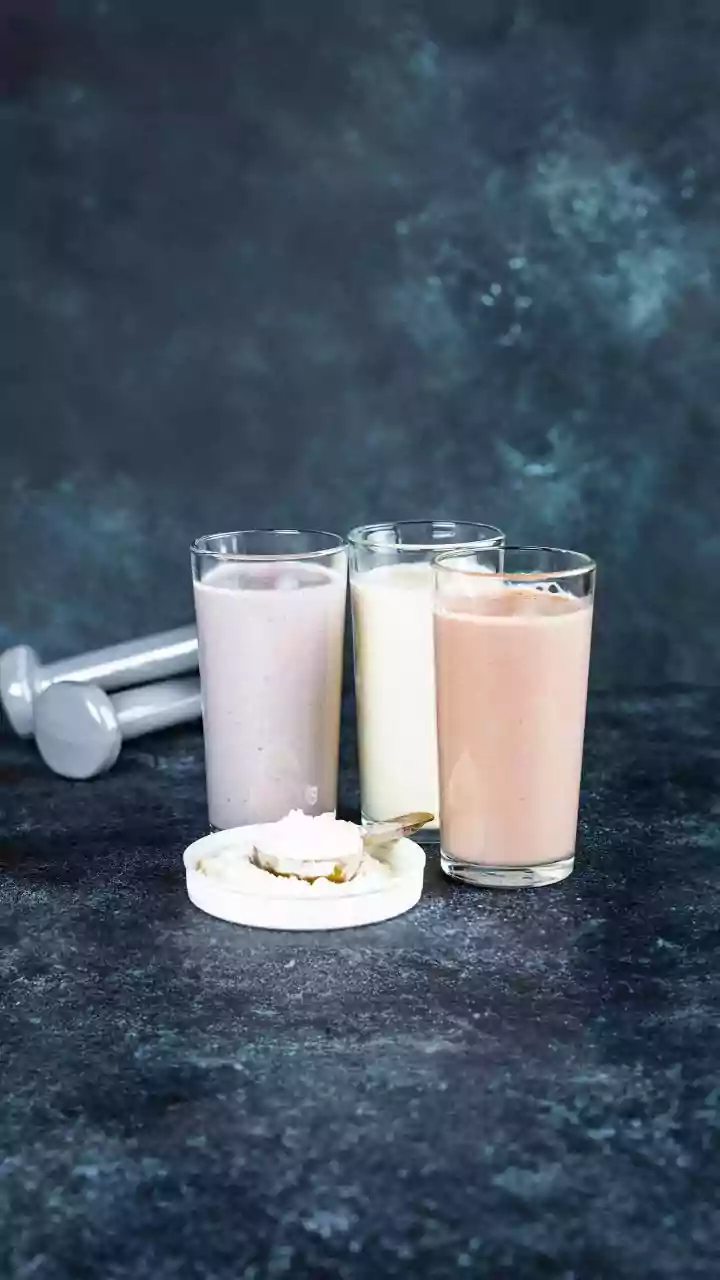
Active individuals have higher protein needs than the average person. While the general recommendation is 0.8 grams of protein per kilogram of body weight, athletes and regular gym-goers may need more. Research suggests that active individuals and athletes often require between 1.2 to 1.7 grams of protein per kilogram of body weight per day to support muscle repair and growth effectively. Some experts even recommend that vegetarian athletes increase their intake slightly to account for the lower digestibility of some plant proteins. Focusing on protein-dense combinations of grains and pulses at each meal can help you meet these higher targets consistently.