

Forget generic hotel menus. A quiet food revolution is unfolding in Chhattisgarh’s villages, where homestays now offer travellers an authentic taste of the land, serving ancient millet grains and showcasing a culinary world far beyond the usual.
A Taste of Authentic Chhattisgarh
In the
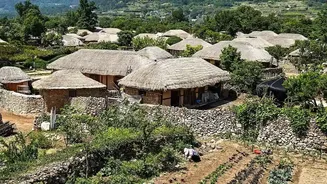
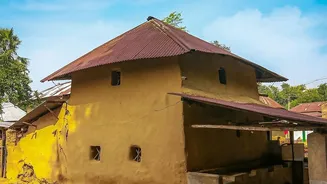
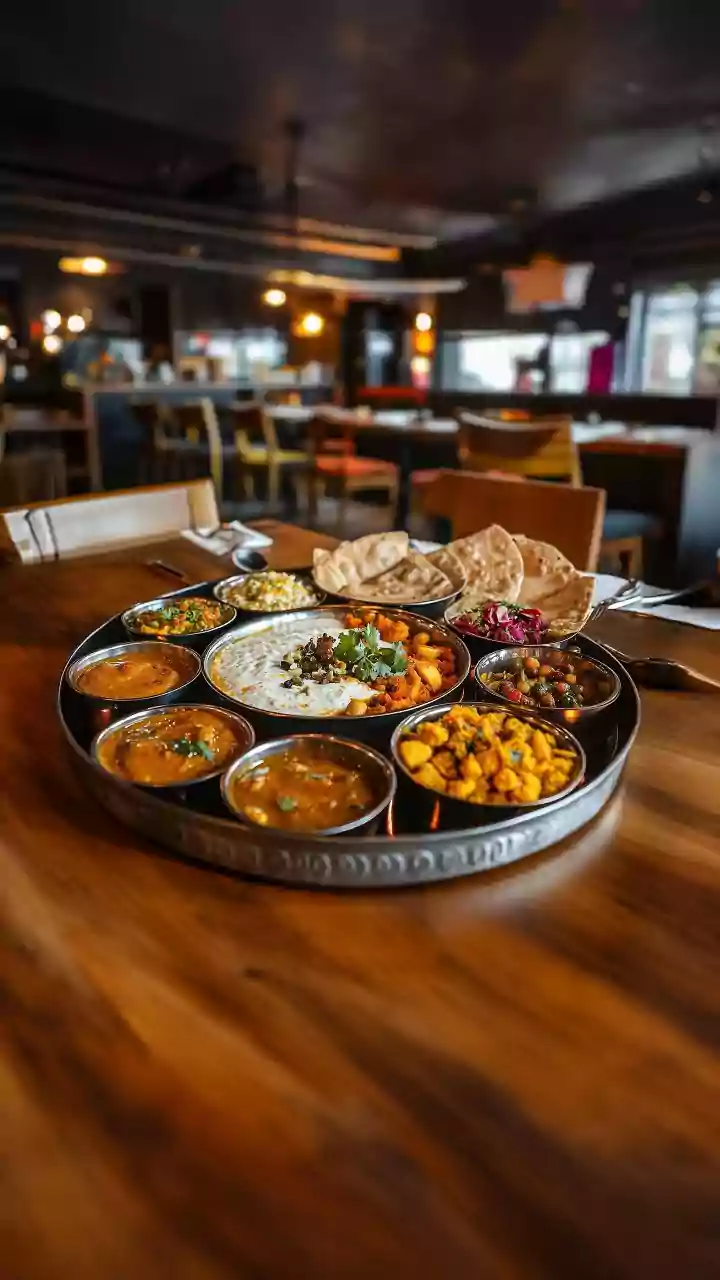
heart of India, a unique travel experience is taking root, connecting visitors with the soul of Chhattisgarh through its food. Driven by new homestay policies and tourism initiatives, particularly in culturally rich areas like Bastar, travellers are being invited not just to see the landscape, but to taste it. These village stays offer a departure from conventional tourism, providing an intimate glimpse into the daily lives, traditions, and, most importantly, the kitchens of local tribal communities. Guests get to immerse themselves in a simpler way of life, where meals are prepared with locally grown produce and recipes passed down through generations, offering a culinary journey that is both delicious and deeply authentic.
The Millet Revival on Your Plate
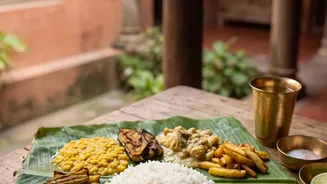
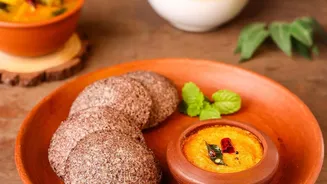
Central to this experience is the resurgence of millets. For centuries, grains like Kodo, Kutki (Little Millet), and Ragi (Finger Millet) were staples in Chhattisgarh, perfectly suited to the climate and soil. However, they were gradually replaced by other crops. Now, thanks to initiatives like the Chhattisgarh Millet Mission launched in 2021, these 'superfoods' are making a powerful comeback. For visitors, this means savouring dishes that are not only packed with nutrition but are also a taste of the region's agricultural heritage. Homestay kitchens are serving everything from hearty millet porridges and the steamed rice-flour snack 'Fara' to the light, healthy 'Bafauri' dumplings, showcasing the versatility of these ancient grains.
Beyond the Mahua Misconception
The headline's mention of 'mahua-free' dishes points to a fascinating cultural nuance. The Mahua flower is integral to tribal life, but it is most widely known for the alcoholic beverage made from its fermented flowers. This has often overshadowed its extensive use as a food ingredient. Local tourism is now highlighting the non-alcoholic culinary uses of Mahua, aiming to showcase its versatility and break the stigma. The flowers, when unfermented, are a natural sweetener and are used to make a variety of traditional foods like 'laddoos' (sweets), 'puris' (fried bread), and 'kheer' (pudding). By focusing on these mahua-free and non-alcoholic mahua preparations, village stays are presenting a more complete and family-friendly picture of their food culture, revealing a treasure trove of flavours that have long been cherished locally.
From Forest and Farm to Your Fork
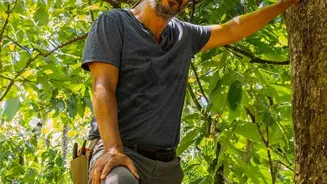
The food served in these village stays is a direct reflection of the surrounding environment. Many ingredients are sourced from the family's own farm or foraged from the nearby forests. Dishes like 'Aamat', a tangy vegetable soup sometimes cooked in bamboo shoots, and curries made with seasonal wild mushrooms ('boda') and leafy greens ('bhaji') bring the flavours of the forest directly to the plate. This hyper-local sourcing not only ensures incredible freshness but also tells a story of sustainability and a deep connection to the land. Eating a meal here is more than just sustenance; it is an education in the local ecosystem and the traditional knowledge of the communities who call these forests home.
An Experience That Empowers
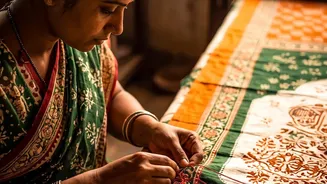
This movement is about more than just food and travel; it is a powerful engine for rural empowerment. The Chhattisgarh government's Homestay Policy provides financial assistance and training to tribal families, helping them become self-reliant entrepreneurs. By opening their homes, local hosts can generate income not just from accommodation but from guiding, selling handicrafts, and sharing their culinary skills. This model ensures that tourism revenue flows directly into the village economy, supporting women's self-help groups and preserving cultural heritage. For the traveller, it transforms a simple vacation into a meaningful exchange, where their visit directly contributes to the well-being and cultural pride of the community.