






The Daily Kitchen Dilemma
Whether you live with family or flatmates, the Indian kitchen is a bustling, shared space. This often leads to a common problem: ingredient overlap. You might find multiple packets of the same spice, several containers of rice, and a confusing collection
of lentils, all purchased by different people at different times. This disorganisation isn't just messy; it leads to food waste, unnecessary spending, and minor but persistent friction. When nobody is sure what belongs to whom or what needs to be used first, food often gets forgotten at the back of a cabinet until it’s past its best. Establishing clear ground rules and systems is the first step towards a more peaceful and efficient kitchen.
Create a 'Core Communal' List
The first step is to have a conversation. Sit down with your household members and decide which ingredients will be communal. These are the high-turnover staples everyone uses regularly. A typical Indian communal list might include rice, atta (whole wheat flour), sugar, salt, cooking oil, tea, coffee, and a few essential dals like toor and moong. Spices like turmeric, red chilli powder, and cumin seeds are also great candidates for a shared system. Once you agree on the list, create a shared fund or a rotating schedule for purchasing these items. This ensures the responsibility is shared equally and prevents the classic scenario where one person feels they are always buying the essentials.
Designate and Organise Your Zones
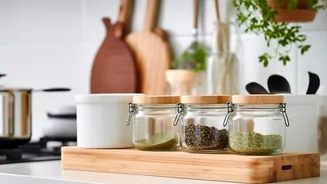
Physical organisation is crucial. Assign specific shelves or cabinets for different categories: one for communal staples, and separate spaces for personal groceries. This simple division minimises confusion and accidental usage of someone else’s special avocado or expensive cheese. Within the communal zone, use clear, airtight containers. Decanting staples like dal, rice, and flour into labelled jars not only keeps them fresh but also lets everyone see inventory levels at a glance. This visual cue makes it obvious when something is running low. For spices, a traditional masala dabba (spice box) is an excellent tool for the most-used powders, keeping them within arm's reach of the stove.
The Replenishment Plan
A system is only as good as its execution. To avoid the dreaded moment of discovering there’s no salt mid-curry, you need a replenishment plan. A low-tech but effective method is a shared shopping list pinned to the refrigerator. Whoever uses the last of a communal item is responsible for adding it to the list. For a more modern approach, shared digital lists on apps like Google Keep or dedicated grocery apps work wonders. This ensures everyone is aware of what's needed and can pick up items when they are at the store, avoiding duplicate purchases. This habit of planning not only prevents running out of staples but also helps in sticking to a budget and reducing impulse buys.
First-In, First-Out (FIFO) Rule
To combat food waste, adopt the 'First-In, First-Out' (FIFO) principle used in professional kitchens. When a new packet of a staple is purchased, place it behind the older one in the pantry. This ensures that older stock is always used first, preventing items from expiring at the back of the shelf. This is especially important for ingredients with a shorter shelf life, like ground spices, which lose their potency over time. You can even create a designated 'Use This First' spot in the fridge or pantry for items nearing their expiration date, making it easy for everyone to see what should be consumed next.
Benefits Beyond a Tidy Pantry
The rewards of a well-organised shared kitchen go far beyond aesthetics. Firstly, it saves money. Meal planning and a shared shopping list prevent duplicate purchases and reduce food waste, which directly translates to lower grocery bills. Secondly, it saves time. Knowing where everything is and having what you need on hand makes meal preparation faster and less stressful. Finally, and perhaps most importantly, it fosters a more harmonious living environment. By setting clear, fair expectations and encouraging open communication about shared resources, you minimise a common source of household conflict and build a more cooperative home.