




The Old Guard vs. The New Contender
For decades, fitness for women in India was synonymous with classic steady-state aerobics—think long sessions on the treadmill, elliptical, or in a Zumba class. The primary goal was often singular: burn calories and lose weight. In contrast, functional
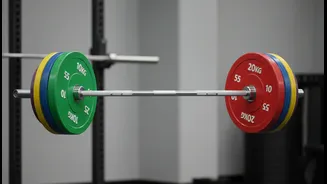
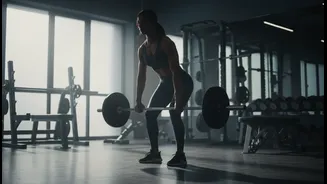
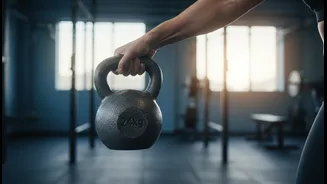
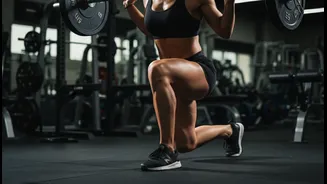
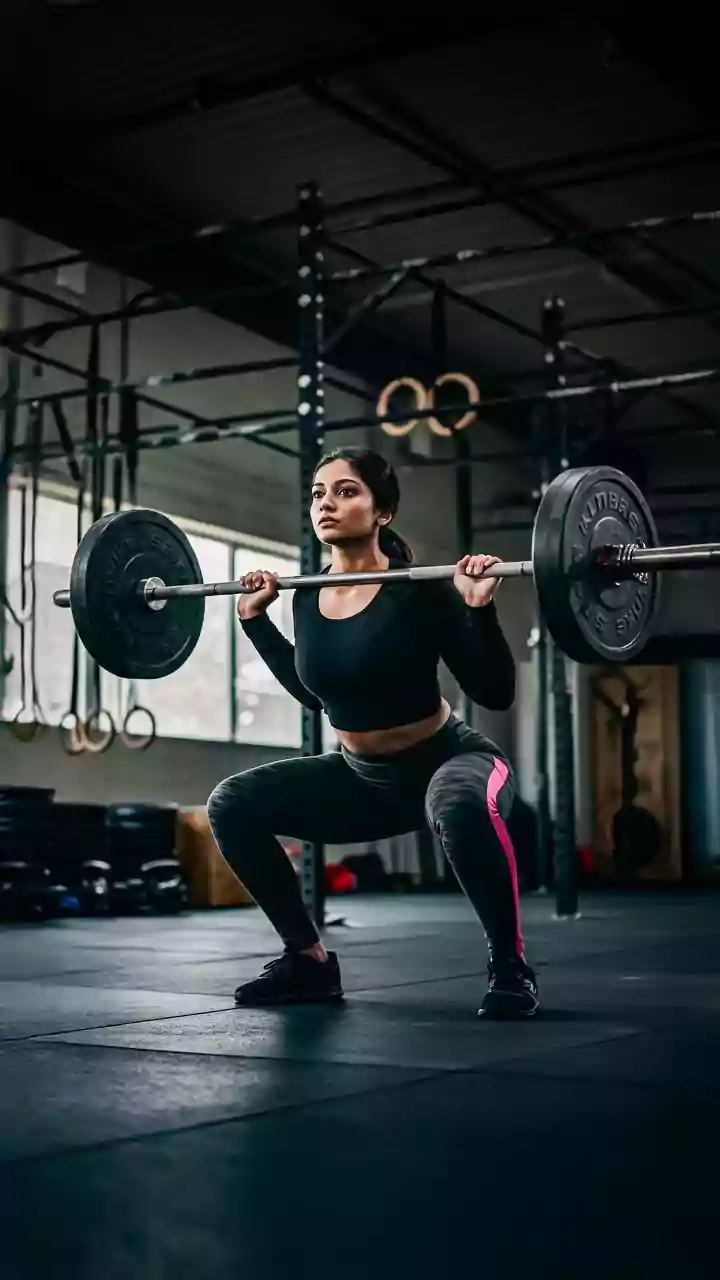
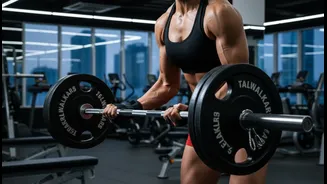
strength training involves exercises that mimic everyday movements, like squats (sitting and standing), deadlifts (lifting heavy objects), and overhead presses (placing something on a high shelf). The focus isn't just on burning energy, but on building capacity and making daily life easier.
From 'Skinny' to 'Strong'
The core of this shift is a profound change in aspiration. The old narrative centered on subtraction—eating less and weighing less. The new fitness goal among young Indian women is about addition: adding muscle, strength, and capability. The conversation has moved from “How much weight did you lose?” to “How much can you lift?” This isn't just about aesthetics; it's a redefinition of what a healthy body looks and feels like. The goal is no longer just being thin, but being strong, toned, and resilient.
Efficiency in a Time-Pressed World
For busy students and young professionals, time is a precious commodity. Hours of steady-state cardio can feel inefficient. Functional strength training, often involving compound movements that engage multiple muscle groups at once, offers more bang for your buck. Building muscle also increases your resting metabolic rate, meaning your body burns more calories even when you're not working out, making it a highly efficient strategy for long-term body composition management.
The Confidence of Real-World Capability
The psychological benefits of strength training are a huge driver of its popularity. There's a unique sense of empowerment that comes from lifting something you previously couldn't, or feeling physically capable in daily life—from carrying heavy groceries to lifting your suitcase into an overhead bin without help. This tangible, real-world strength builds confidence that extends far beyond the gym. It shifts the focus from what a body looks like to what it can do, fostering a healthier relationship with oneself.
Building a Foundation for Lifelong Health
Young women are increasingly training for their 80s, not just for the summer. Strength training is a powerful tool for future-proofing the body. It increases bone density, which is crucial for women who are more susceptible to osteoporosis later in life. It improves insulin sensitivity, reducing the risk of metabolic diseases like type-2 diabetes, and helps preserve muscle mass, which naturally declines with age. This focus on longevity and functional health marks a mature, proactive approach to personal wellness.
Is There Still Room for Cardio?
This movement towards strength training doesn't mean aerobics are obsolete. Cardiovascular exercise is vital for heart and lung health. In fact, experts agree that the most effective fitness regimen often includes both. Cardio can serve as a great warm-up or cool-down for a strength session, and it remains excellent for improving endurance. The key difference is that for many young Indian women, it's no longer the main event but a supporting act to the more empowering and transformative practice of building strength.